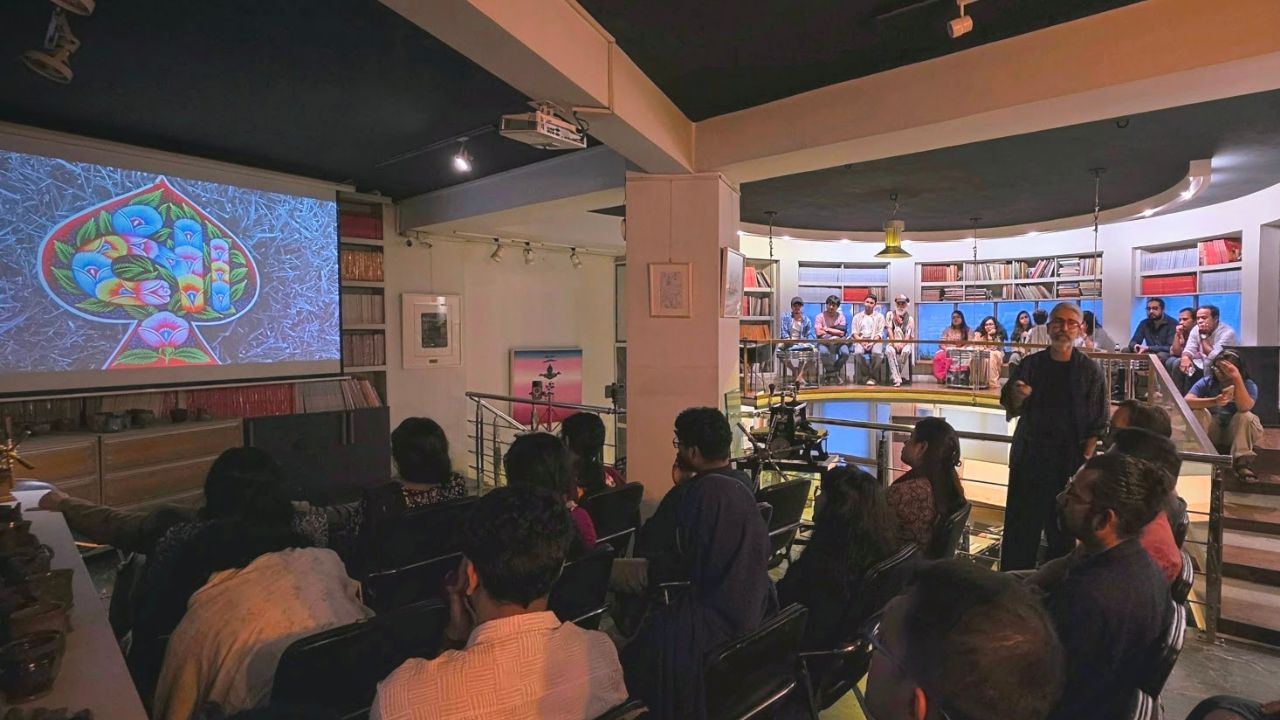
Satyen Sen, the founder of Bangladesh Udichi Shilpi Gosthi, remains an enduring figure whose life transcended personal identity and became inseparable from struggle, culture and equality. His work and vision shaped generations through cultural resistance and progressive thought.
Today (January 5) marks the 44th death anniversary of Satyen Sen, one of Bengal’s most influential cultural activists. Born on March 28, 1907, in Sonarang village of Tongibari upazila in Munshiganj, in a zamindar family, his upbringing was marked by wealth and prosperity. However, he closely identified with workers, peasants and ordinary rural lives.
During his youth, Satyen joined the anti British movement and became involved with the revolutionary Jugantar Dal. Authorities imprisoned him repeatedly between 1931 and 1933, where he developed a deep commitment to Marxism Leninism.

Satyen continued organising peasant movements during Pakistani rule and supported famine affected people in 1943. During the Liberation War of 1971, he inspired resistance by strengthening public consciousness rather than taking up arms.


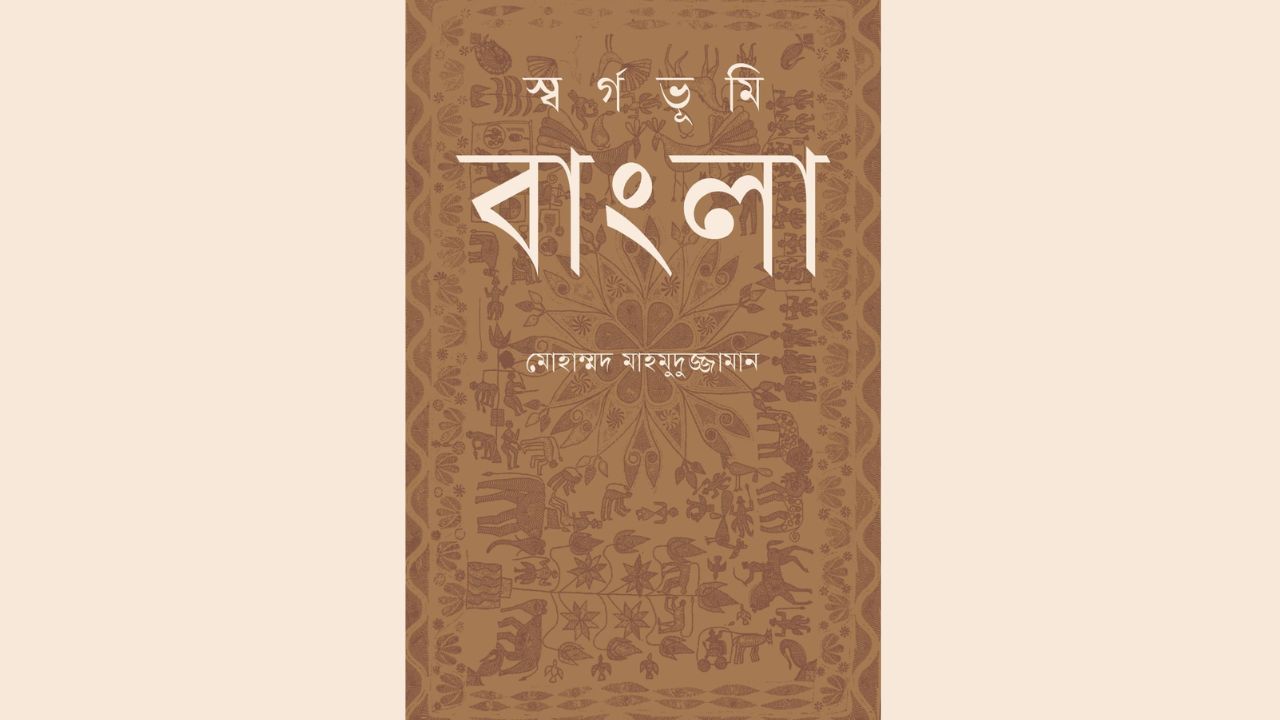

In 1968, he founded Udichi with fellow intellectuals to promote mass culture and protest exploitation nationwide. As a writer, he explored class struggle, history and marginalised lives through novels and research works.
The state honoured his literary contributions with major awards, including the Ekushey Padak awarded posthumously.
He passed away on January 5, 1981, but his ideals remain deeply relevant amid rising intolerance and inequality today.