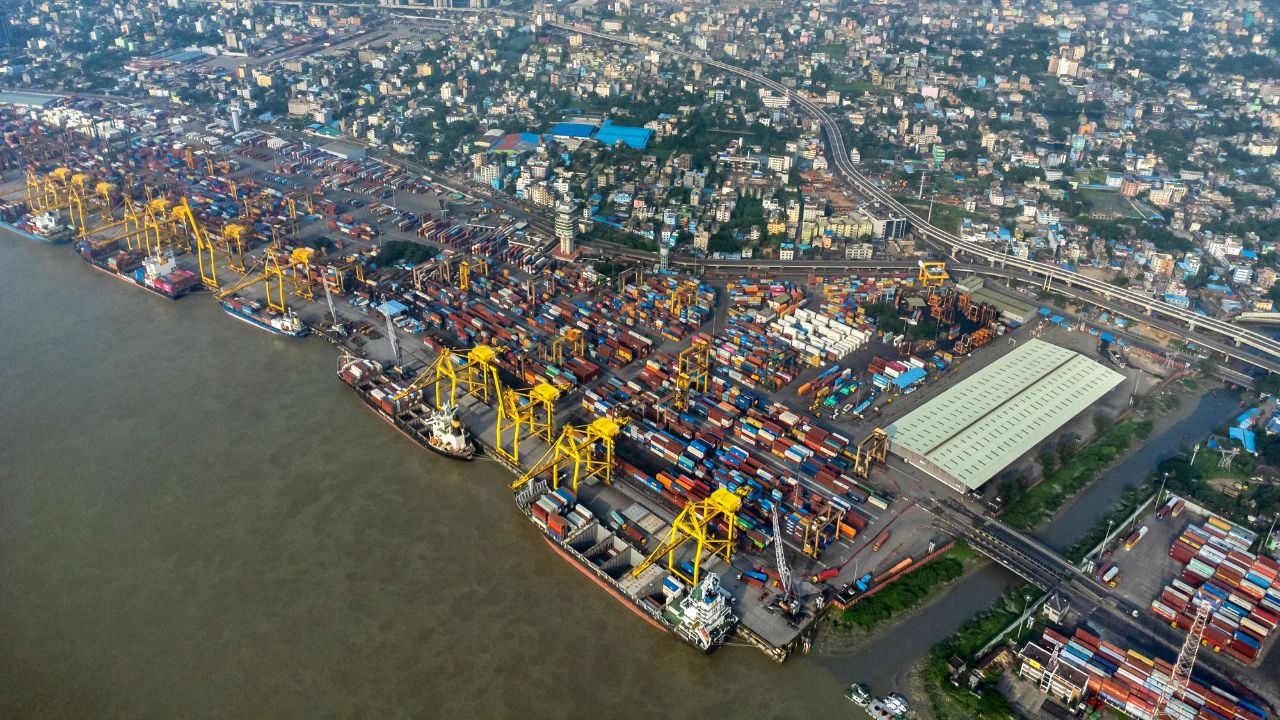
Vessels carrying import-export cargo in and out of jetties at Chattogram port have to wait for high tide at the outer anchorage, generating daily losses of around $1 million due to the extended wait time.
But once the Bay terminal is operational, ships will be able to take berths 24 hours a day, thereby eliminating these delays, according to Rear Admiral SM Moniruzzaman, chairman of the Chattogram Port Authority (CPA).
Moniruzzaman made these comments while speaking at the General Market Engagement (GME) Conference of the Bay Terminal Marine Infrastructure Development Project (BTMIDP) at the port’s Shaheed Md Fazlur Rahman Auditorium.
Representatives of the World Bank, foreign port operators and logistics companies participated in the discussion to review the project’s economic potential and gather stakeholder feedback.
“Chattogram port is a tidal port. So, ships depend on tides to enter and those with more than 10 meters draft cannot berth,” the CPA chairman said.
He informed that if the Bay Terminal becomes operational, vessels of 5,000 TEU capacity with 12-meter draft will be able to dock at any time.

“This project will unlock Bangladesh’s full capabilities. The Bay Terminal will be a game changer for the country’s economy,” he added.
While briefing journalists after the discussion, Moniruzzaman said that their target is to open Terminal-1 of the Bay Terminal by 2023.
“If we can start physical work by mid-2026, then this goal is achievable,” he added.
Moniruzzaman also informed that all components of the project are progressing in line with Public-Private Partnership guidelines.



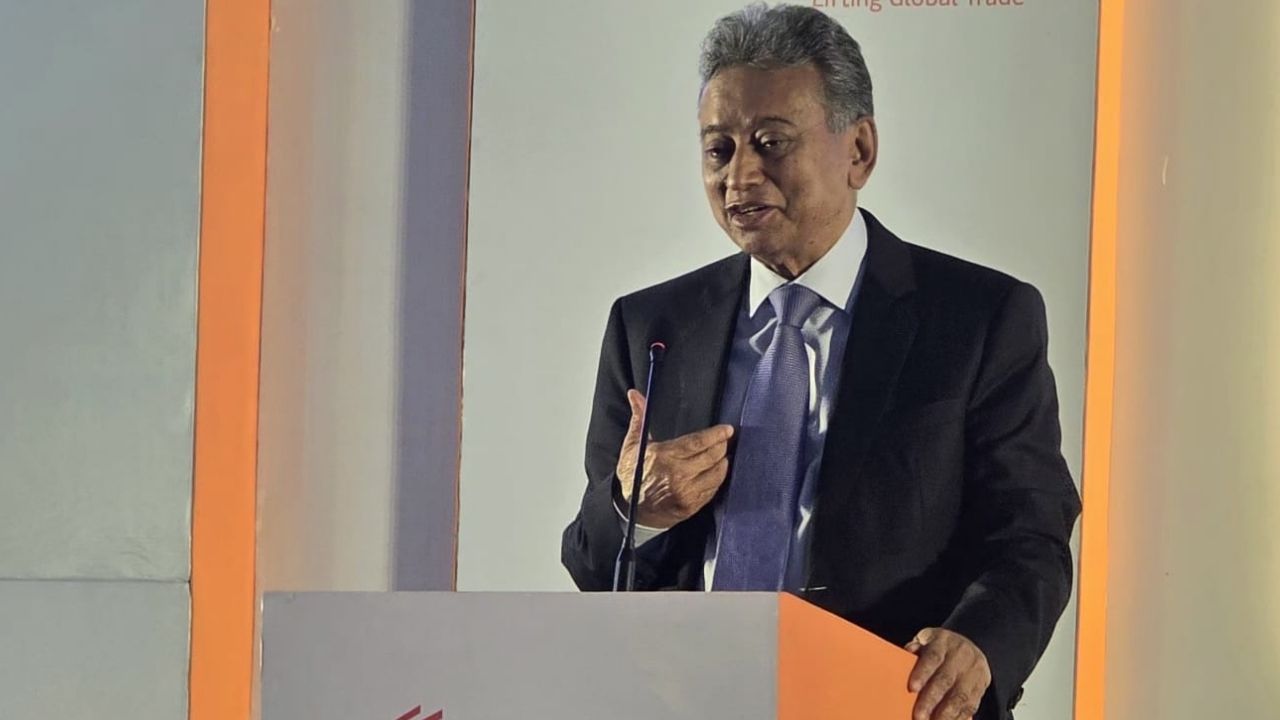
The CPA Chairman further said the multipurpose terminal will handle container and general cargo vessels, ensuring future readiness with facilities for gearless operations.
“We will develop this terminal so that it functions at full efficiency and remains resilient for a century, even during major disasters,” Moniruzzaman said.
“We want Bangladesh to become a regional manufacturing hub – and for this, we need a 24-hour navigation channel, larger ships and globally compliant operations,” he added. Moniruzzaman noted that global investors are showing increasing interest.
“With the Bay Terminal, you will see manufacturing investments surge in Bangladesh. Major companies are contacting us to invest,” he said.Cheick Diallo, senior transport specialist and transport cluster leader (Bangladesh) of the World Bank also addressed the seminar.
The project’s details were presented by Commodore Kaosar Rashid, member (engineering) of the CPA and Commodore Mohammad Mahfuzur Rahman, director of the BTMIDP.
They said the project’s Container Terminal-1, financed by PSA Singapore, will become operational in 2030. Meanwhile, Container Terminal-2, financed by DP World, will be operational in 2035 but the Multipurpose Terminal will open in 2030.
Similarly, Bay Terminal’s breakwater and access channel being financed by the World Bank is scheduled for completion in 2030. Also, a project for establishing road and railway connectivity will be complete that same year.
The total investment is estimated at $3 billion, of which $2.4 billion will be contributed by port PSA Singapore and DP World, they said while adding that the terminal is expected to create 13,500 jobs.
Chattogram port currently handles vessels with up to 2,400 TEU capacity that require 9.5-meter draft and are 190 meters in length.
A CPA official, preferring anonymity, said ships currently often wait for around three days for a berth, costing an additional $45,000 per vessel.
Besides, the Bay Terminal will significantly increase Chattogram port’s handling capacity and significantly support national trade growth.
Trade activities through Chattogram port are projected to hit 6.3 million TEUs by 2030, 8.36 million TEUs by 2035 and 11.41 million TEUs by 2040.
“The Bay Terminal will make Chattogram port a direct feeder port, saving both time and cost,” the CPA official added.