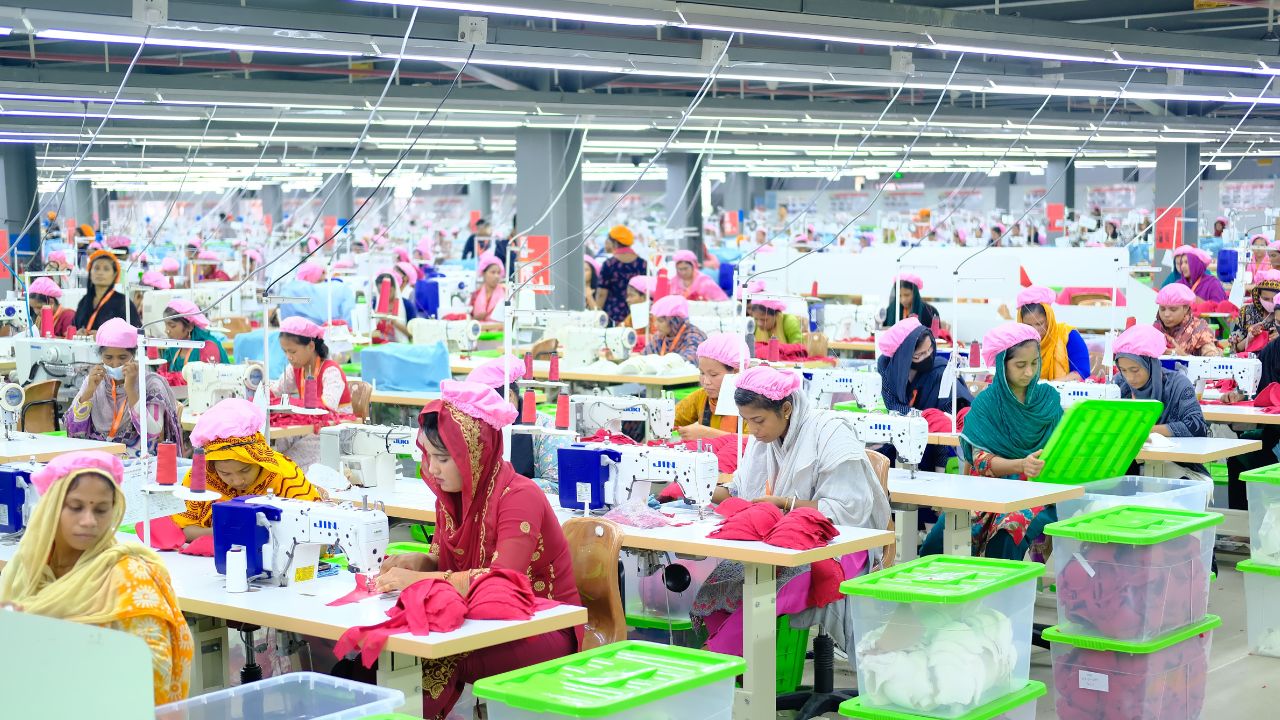

It really makes us, as Bangladeshis, proud to see our products when we are abroad. Just by looking at the tag of a clothing item and seeing the words ‘Made in Bangladesh’ is enough to put a smile on our face. With the massive political instability found in the country, it seems that the success stories of the ready-made garments (RMG) sector are starting to become stories of extreme struggle. Factories are closing weekly. Workers are let off, sometimes without the full payment they deserve, and find themselves in a loophole of nothingness and are constantly searching for ways to get their source of income. This is not an issue that should be looked at in the simplest form. This is an issue that should be addressed with utmost attention, be investigated, and a solution should be provided to rise again.
Bangladesh became a hit in the RMG sector in the 1980s. Over the past five decades, the industry has evolved from a humble beginning to becoming a global powerhouse, significantly shaping the nation’s economic and social landscape. The nation is currently the second-largest garment exporter in the world, with earnings of roughly between $40 billion and $50 billion per year. China remains the largest garments exporter with annual earnings of over $160 billion. Vietnam is the closest competitor of Bangladesh, with roughly $40 billion in earnings, but the market is a major catch for brands such as Nike and Adidas.
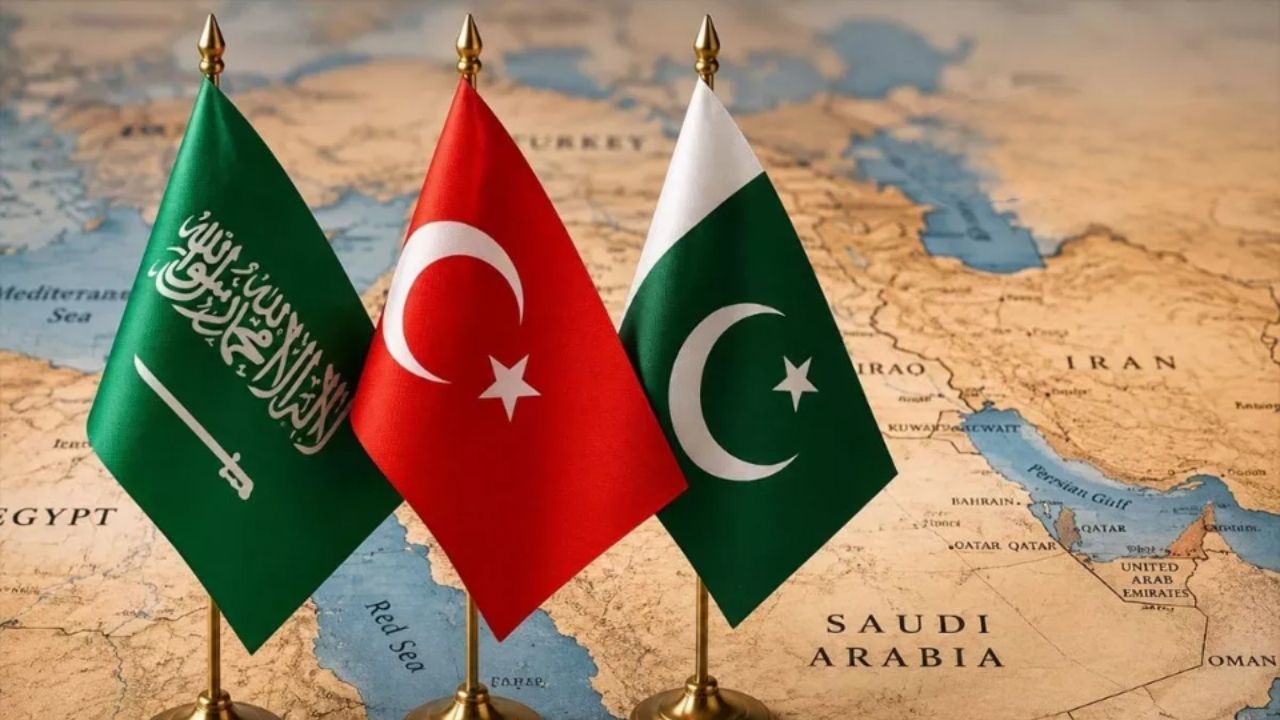
According to the Industrial Police data, 457 industrial factories were shut down between June 2024 and 2026. Out of the total, 170 of the factories were textile and ready-made garments (RMG) based. The number of RMG factories closed included 108 from the Bangladesh Garment Manufacturers and Exporters Association (BGMEA), 35 from the Bangladesh Knitwear Manufacturers and Exporters Association (BKMEA), 8 from the Bangladesh Textile Mills Association, and the remaining 19 from the Bangladesh Export Processing Zones Authority (BEPZA). In fiscal year 2026, RMG exports dropped by 1.64 percent ($38.7 billion) compared to what was found in FY25 ($39.35). The increase in the price of essential commodities due to the Middle East conflict is another unfavourable situation.

The president of the BGMEA, Mahmud Hasan Khan, said that more than 19,000 workers have lost their jobs in six months as of this year. An average of three to four factories is shut down monthly. He says that falling orders, energy shortages, and labour unrest are some of the reasons why factories are being discontinued at such a rapid rate. The losses faced by these factories are another reason to be taken into consideration. Although 323 new factories have opened, with 256 closed in three years, the exports are still 1.64 percent lower in FY26 compared to FY25. As of the end of February this year, 2,127 active factories are operating under the BGMEA.
Factory closures have become a recurring weekly phenomenon. Even before the middle of this month, reports indicated that more than 15 garment and textile factories had ceased operations. A manager of an RMG group told TIMES that around 5,000 workers had lost their jobs since its closure. The repercussions extend far beyond the workforce, triggering a domino effect that disrupts local businesses, transport services, rental markets, and other sectors dependent on the industry’s stability.



The sector posted negative growth overall in the last financial year. Garment exports have risen since the global recovery from COVID-19, and half a month of production was halted during the July Uprising in 2024. From August 2024 to May 2025, the sector saw a 7.2 percent growth, and was capable of staying in that position. The growth ranged between 11.85 to 22.80 percent in seven of those ten months. Exports fell by 6.31 percent in June 2025, and the year closed with an overall growth of 8.84 percent. A couple of months post-national elections, exports abruptly jumped 31.21 percent in April, but fell to 8.29 percent in May. Overall, nine months of the 1 year saw the sector in the negative territory. The FY2025-26 concluded with a fall by 1.64 percent, compared to FY25, to $38.70 billion.
Foreign investors are now finding alternative markets due to the political instability of Bangladesh. The top alternative countries are India, Pakistan, Cambodia and Vietnam. Vietnam, as mentioned before, is heavily eyed as they are the top supplier for Nike and Adidas. Cambodia is increasingly built on product diversification, strong compliance, and growing investor confidence. Textile, Apparel, Footwear, and Travel Goods Association in Cambodia (TAFTAC) showed that exports reached about $15.7 billion in 2025. In the first half of 2026, it rose by around 20 percent to $17.09 billion. In 2025, they reclaimed their growth momentum after two years of global market volatility. Export turnover reached $34.75 billion in the first nine months – a 7.7 percent yearly increase, according to data from the Vietnam Textile and Apparel Association (VITAS).
The consequences of Bangladesh’s instability are a concern. Workers are struggling to find a job, all while trying their best to support their families. It is not only the adults who are facing these problems. Children of these families find it hard to go on with their academics, especially with tuitions, and the elderly find it hard to get their necessities from the sole provider of the family. A manager of an RMG company said that 5,000 workers have been let go. Workers are constantly distressed and depressed, and are thinking about what their next move will be. Many of them are let go without having their dues paid. Many did not obtain the salary that they worked hard for.
It is an urgent matter to take into consideration. Trade unions have called for an investigation to tackle these issues and to revive the RMG sector from the dive they are going through. These are issues that should be taken into deep consideration and should not be taken lightly. The main objectives should be to overcome the political instability and to restore trust in foreign investors towards our market.
The views expressed in this article are solely those of the author
The writer is a Sub Editor at Daily Times of Bangladesh