



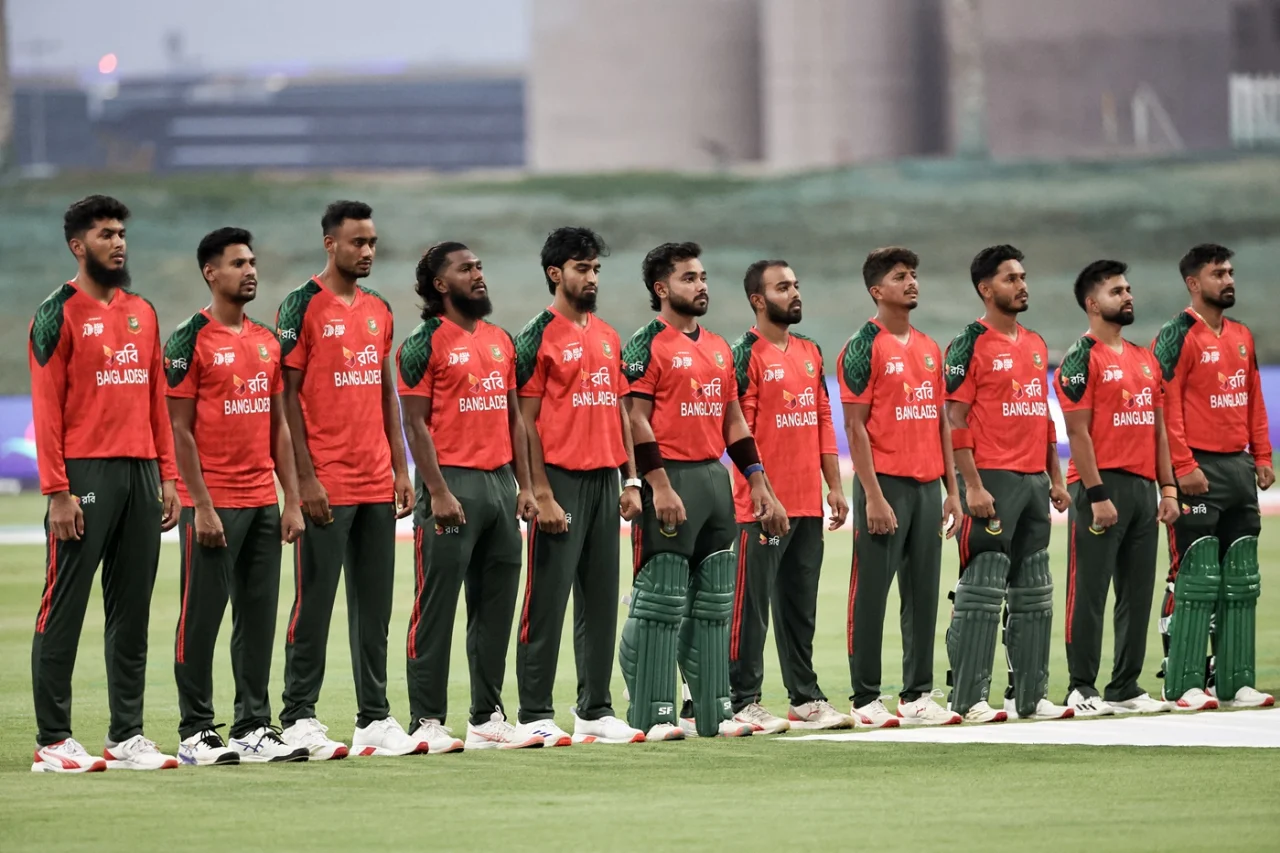



“Over a period of time, Bangladesh has done this so consistently which is being inconsistent.”
Former Indian cricketer Dinesh Karthik said this on a Cricbuzz show following Bangladesh’s 41-run loss to India in the Super Four stage.
Despite being part of the international cricket circuit for nearly 30 years, Bangladesh has yet to win a major trophy. They have yet to make a significant impact in global or multinational tournaments.
Ideally, their performance graph should show consistent upward development, but Bangladesh’s journey tells a different story. The graph fluctuates. It rises, falls, and sometimes bounces back sporadically.

Looking at Bangladesh’s Asia Cup journey this season reveals those highs and lows. They began the tournament as expected, beating Hong Kong, but immediately stumbled in the next match, losing to Sri Lanka while defending just 139 runs.
They bounced back strongly by defeating Afghanistan in a do-or-die clash, securing their Super Four spot, aided by Sri Lanka’s win over Afghanistan. In the Super Four stage, Bangladesh pulled off a nail-biting victory against Sri Lanka, chasing 169 with just one ball to spare.



However, despite getting lifelines twice in the tournament, Bangladesh could not make it to the final. Against India, they restricted the star-studded side to 168 runs but were bowled out cheaply for 127. The following match against Pakistan once again exposed their batting fragility. Chasing just 136 to reach the final, Bangladesh could manage only 124 for 9.
This season, Bangladesh’s batting lineup has largely struggled. Barring Saif Hassan, no batter has shown consistency. Saif scored two fifties in consecutive matches. Tanzid Hasan contributed some runs but lacked reliability. Towhid Hridoy’s approach was a concern throughout the tournament. Aside from his fifty against Sri Lanka, his performances showed a lack of intent.
Even Jaker Ali Anik’s death-over batting raised eyebrows, despite his reputation as a power hitter. The right-hander failed to hit a single six in his last 66 balls faced.
While the batting faltered, Bangladesh’s bowling was far more disciplined. Limiting a star-studded team like India to just 168 runs in a Super Four clash was a notable achievement. Mustafizur Rahman found his familiar rhythm. Taskin Ahmed delivered crucial breakthroughs. Tanzim Hasan Sakib impressed in both the powerplay and middle overs.
Rishad Hossain got a chance to reinvent himself, working closely with spin coach Mushtaq Ahmed in every net session. After a shaky start taking two wickets against Hong Kong but conceding 18 runs in an over against Sri Lanka, he bounced back impressively. He took 2 for 18 against Afghanistan, dismissed Shubman Gill and restricted Shivam Dube against India, and claimed the wickets of Fakhar Zaman and Hussain Talat for just 18 runs in four overs against Pakistan. Despite his stellar performances, Bangladesh lost both matches, missing a golden opportunity to reach the final. Shak Mahedi also made valuable contributions whenever given a chance with the ball.
A total of 11 catches were dropped in the field, partly due to the “Ring of Fire” floodlights at the Dubai Stadium. Yet, in the end, it was the batting failures that overshadowed the bowlers’ efforts, ultimately making the team inconsistent.
On their day, Bangladesh can pull off a miracle. But in the two crucial matches against India and Pakistan, they showed that they still have a long way to climb the ladder, despite playing Test cricket for 25 years.


