



Since the Covid-19 pandemic, Bangladesh’s economic foundations have been weakened by domestic and international shocks. The pandemic disrupted global production, while the subsequent Russia-Ukraine war severely affected international supply chains, with significant consequences for the country’s economy.
These external pressures were compounded by domestic political instability, misguided policy decisions by the then government and strained relations with Western countries over human rights and democratic processes. International sanctions against individuals and institutions, alongside geopolitical uncertainty surrounding the 2024 national election, brought domestic and foreign investment virtually to a standstill.
Before any temporary stability could emerge following the election, the Gen Z-led mass uprising brought down the government. Widespread disorder and a breakdown in security subsequently prompted the formation of an interim government. However, deep-rooted structural problems, institutional weaknesses, a lack of clear policy direction and bureaucratic complications prevented the anticipated economic recovery. People had hoped that political stability and administrative reform would restore economic dynamism, increase production, create jobs and improve incomes. Unfortunately, these expectations have remained largely unfulfilled. Instead, political, social and commercial instability has continued to undermine the economy.
Bangladesh now appears to be trapped in the ‘vicious circle of poverty’ described by renowned development economist Ragnar Nurkse. In his influential essay Growth in Underdeveloped Countries, Ragnar Nurkse famously observed, “A country is poor because it is poor.”

In simple terms, poverty perpetuates itself. According to this theory, low productivity results in low national income; low-income limits people’s ability to save, inadequate savings prevent sufficient capital formation, shortage of capital discourages investment in industry and infrastructure, insufficient investment keeps productivity low, further depressing incomes.
Breaking this cycle requires a major stimulus, commonly known as a ‘Big Push’. This can be achieved through substantial domestic and foreign investment, development assistance or loans, effective fiscal and monetary policies, technological advancement and investment in skilled human resources.
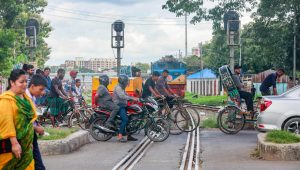
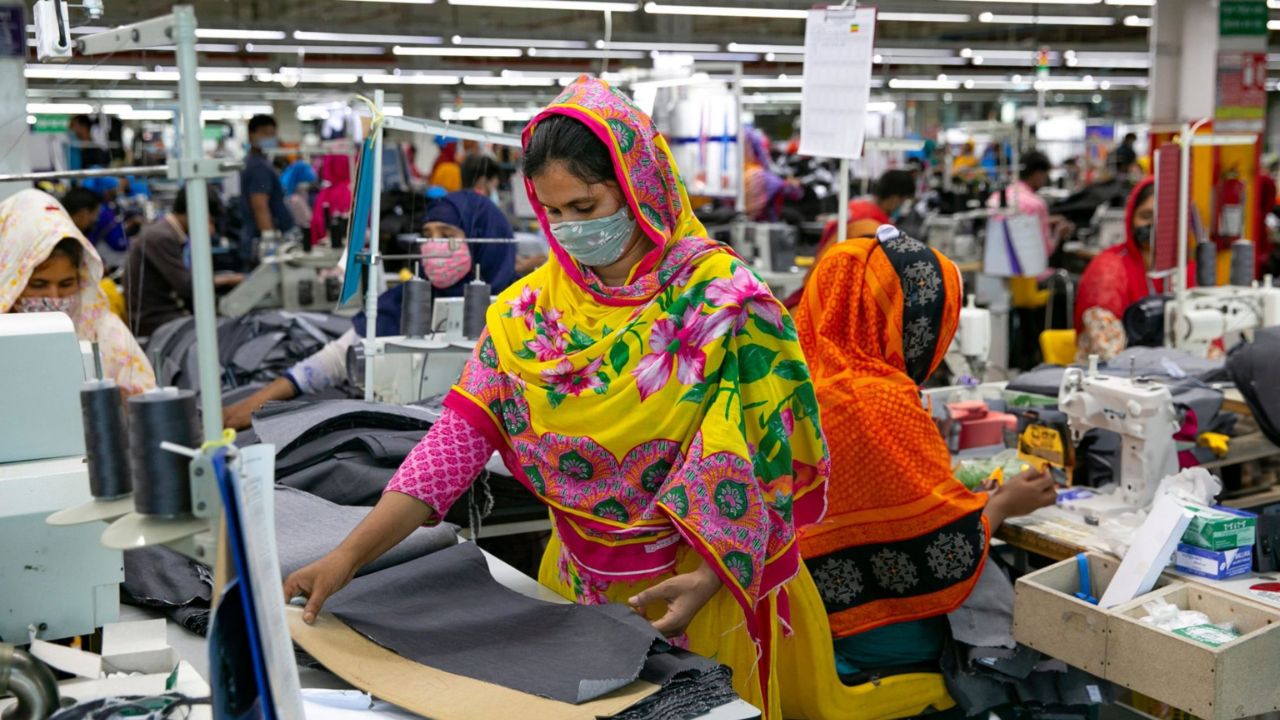
Yet, despite having experienced economists and consultants working with the World Bank, the International Monetary Fund (IMF) and international development agencies, why has Bangladesh failed to escape this vicious cycle? The answer lies in the lack of meaningful structural reforms and progress towards creating a business-friendly environment. Rather than revitalising markets and industries, persistent instability has undermined production, investment and public confidence. Law and order and a stable commercial environment are essential for sustaining domestic production. However, unrest in industrial areas, including the ready-made garment (RMG) sector, repeated road blockades, workers’ strikes and vandalism have increasingly become commonplace. At a time when Bangladesh’s principal export sector is struggling to maintain international buyers’ confidence, such disruptions are directly damaging production capacity and export earnings.




Years of institutional corruption in the banking sector and the persistent siphoning of money abroad have seriously disrupted the normal flow of capital. The enormous volume of non-performing loans has further intensified liquidity shortages in banks. Although the central bank has introduced various schemes and policy incentives to improve financial flows, corruption and the entrenched culture of loan default have prevented genuine businesses and productive sectors from receiving the intended benefits.
Reliable electricity and gas supplies are essential for industrial productivity. However, uncertainty in international energy markets, foreign currency shortages and weaknesses in domestic management have made energy supplies increasingly unreliable. Businesses face the double burden of inadequate supplies and rising costs, alongside the risk of production shutdowns. Consequently, entrepreneurs, both large and small, are struggling to restore momentum to their operations.
Breaking the vicious circle requires visionary, competent and decisive political and administrative leadership. Although economists and policy experts have repeatedly offered recommendations, significant gaps remain in their political implementation. Economic reform cannot take place in isolation; it depends on the rule of law, social stability and an effective administrative system.
Unless road blockades, factory vandalism, recurring strikes and the deterioration of law and order are addressed, neither foreign investors nor domestic entrepreneurs will feel confident about committing fresh capital. Without new investment, Bangladesh will remain trapped in Nurkse’s familiar cycle of low savings, inadequate capital formation, low productivity and declining incomes.

To break this cycle, the government must urgently adopt a zero-tolerance approach towards those responsible for disorder in industrial zones, the garment sector and on highways. A secure environment for commercial activities is essential. Transparency in the energy sector must also improve. Where necessary, subsidies should be considered to protect employment and sustain production. Strict legal action must be taken against loan defaulters, while government incentives should reach genuine entrepreneurs. The central bank and law enforcement agencies must be allowed to operate independently to combat corruption and money laundering. Economic recovery requires visionary political leadership and demonstrable administrative capacity to implement necessary policies and reforms.
Whether Bangladesh returns to the path of sustainable economic growth or sinks further into the familiar vicious circle of poverty, fuelled by inefficient management and political instability, will depend on the immediate, tangible and forward-looking decisions of the present and future leadership.
If the necessary measures are still not taken to reverse the economy’s decline and restore stability and public confidence, will this not inevitably raise serious questions about the state’s capacity to govern?
The writer is the Managing Editor, Daily TIMES of Bangladesh