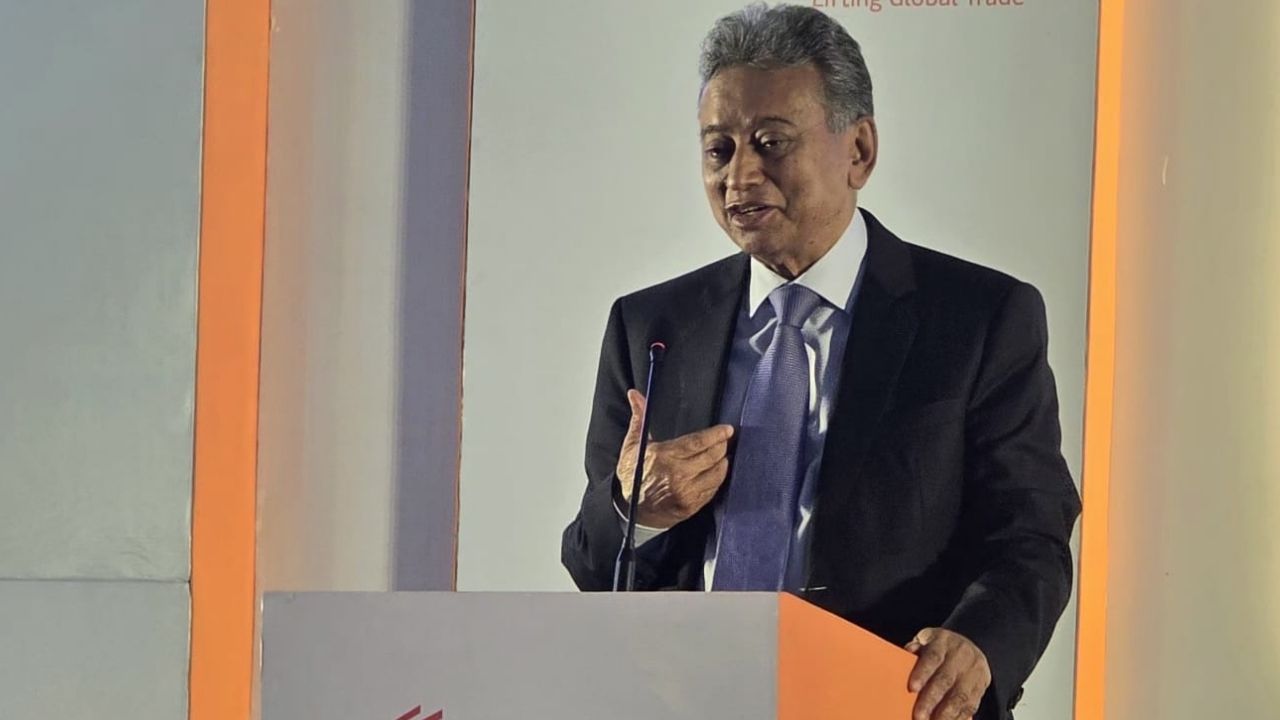
As ESG-compliant investments surge past $30 trillion globally and are set to exceed $40 trillion by 2030, Ahsanur Rahman, CEO of BRAC EPL Stock Brokerage Limited (BESL), underscores the importance of enhanced
Environmental, Social, and Governance (ESG) transparency for Bangladesh’s corporate sector. With foreign investors’ small exposure in Dhaka stocks and the negligible foreign direct investments, Rahman
outlines the critical role of sustainability reporting in attracting global capital. Rahman, whose firm handles over 60 per cent of foreign investors’ stock transactions in Bangladesh on average, explains that companies must embrace this shift to remain competitive.
“We are seeing a huge shift in global investment strategies towards ESG principles, and Bangladesh’s companies must embrace this shift if they are to remain competitive,” he said.
Bangladesh’s progress in ESG and the need for structured reporting
Bangladesh has made remarkable progress in sectors like ready-made garments (RMG), where eco-friendly apparel manufacturing has become a key strength.
“Bangladesh is a global leader in eco-friendly apparel manufacturing, with 68 of the world’s top 100 sustainable RMG factories located here,” Rahman pointed out.
“Additionally, nine of the top 10 highest-rated LEED-certified factories worldwide are in Bangladesh.”
Due to a lack of structured and transparent ESG disclosures the achievements have limited global recognition.
“Our companies have great sustainability practices, but without consistent and transparent reporting, these efforts often go unnoticed by global investors.”

Currently, only 16 out of over 300 listed companies in Bangladesh have been recognised on Bloomberg’s ESG platform, highlighting significant gaps in reporting.
“Without a comprehensive ESG reporting framework, even the most sustainable companies in Bangladesh struggle to present themselves to the growing pool of ESG-focused investors,” he explained.
BESL’s role in helping companies embrace ESG transparency
From the investment industry, BESL has been at the forefront of addressing these challenges.
Rahman shared that his firm actively works with local companies to improve their ESG disclosures, ensuring their efforts are visible to global investors.
“At BESL, we are not just observing the global shift towards ESG. We are actively working to facilitate it,” he said.
“We help companies understand where their ESG disclosures are strong and where they need to improve, advocating for them to report their practices transparently on global platforms like Bloomberg.”
Rahman emphasised that BESL’s support goes beyond helping companies gain access to ESG-linked funds. “We aim to build trust with global investors by ensuring companies’ ESG efforts are clearly communicated,” he said. “Better reporting practices help companies position themselves in line with global sustainability goals and attract long-term, responsible investment.”




Out of the 16 Bangladeshi listed companies recognised on Bloomberg’s ESG platform, Rahman’s firm advocated for most of them.
How ESG transparency builds investor trust
Transparency in ESG disclosures is vital not only for accessing ESG-linked funds but also for building trust with investors and enhancing corporate governance.
“Proper ESG reporting does more than open doors to ESG-linked funds—it allows companies to present their true sustainability efforts to investors, boosting governance and reputation,” Rahman said.
“Increased transparency will enable investors to assess companies’ sustainability practices more effectively, which is essential as ESG considerations are becoming a key factor in capital allocation decisions.”
India and Vietnam: Regional examples of ESG success
Rahman pointed to India and Vietnam as examples of how strong regulatory support and better ESG disclosures can lead to greater access to global ESG funds.
India, with 608 companies listed on Bloomberg’s ESG platform, has benefited from robust regulatory frameworks that encourage companies to disclose their ESG practices transparently. ”
India’s success is largely driven by these frameworks, which have encouraged companies to adopt better ESG practices,” Rahman explained. Similarly, Vietnam has seen ESG-linked fund flows accelerate due to regulatory initiatives and a growing corporate commitment to sustainability.
He believes Bangladesh can replicate these successes by improving ESG reporting standards and strengthening regulatory support. ”
Bangladesh has the potential to be a key player in ESG, but we need to address the gaps in reporting practices to increase visibility and attract investment,” Rahman said.
The private sector’s role in driving ESG improvements
While much of the focus has been on listed companies, Rahman pointed out that many private sector firms in Bangladesh, particularly in the export-oriented industries, are already adopting strong sustainability practices.
However, due to gaps in their ESG disclosures, these companies remain unrecognised on global platforms like Bloomberg’s ESG universe.
“We have private companies in Bangladesh that are leaders in sustainability practices but remain invisible to global investors because their ESG disclosures are not up to global standards,” Rahman said.
Unlike most other markets, many of Bangladesh’s most successful companies remain private. Rahman urged that private companies must improve their ESG reporting in line with global expectations to gain recognition and unlock access to global ESG funds.
“It’s not enough to have strong sustainability practices; companies must ensure their efforts are clearly communicated and visible to global investors,” he added.
While Bloomberg is currently the primary platform for ESG recognition, Rahman acknowledged the presence of other ESG rating providers such as MSCI ESG Ratings, Sustainalytics, and Refinitiv.
“Bloomberg ESG is our primary focus right now because of its comprehensive approach, but we aim to expand Bangladesh’s presence across other global ESG platforms in the future,” Rahman said.
LDC graduation and the opportunity for ESG financing
As Bangladesh approaches its graduation from Least Developed Country (LDC) status, Rahman emphasised the importance of tapping into ESG-linked financing to fuel the country’s economic growth.
“LDC graduation presents a pivotal moment for Bangladesh to attract more sustainable investment,” he explained. “But to leverage this, we must improve our ESG reporting so that our companies are visible to global investors who are increasingly focused on ESG.”
Building a stronger ESG ecosystem together
To strengthen the country’s ESG reporting framework, Rahman called for more collaboration between regulators such as the Dhaka Stock Exchange (DSE) and private sector companies.
“We need to work together to create a more robust ESG ecosystem that improves data availability, enhances transparency, and ensures that companies are aligned with global sustainability goals,” he said.
Bangladesh has the potential to become a leader in sustainability, he believes.