Pohela Baishakh is offering a brief revival for Bangladesh’s fading pottery tradition, as artisans across districts struggle to survive amid shrinking demand, rising costs, and the rapid spread of plastic and steel products.
From Thakurgaon to Gaibandha, potters say the Bengali New Year has become their last dependable season, with sales during Baishakh fairs often determining whether they can sustain the craft for another year.
In Thakurgaon’s Ahcha Union, veteran artisan Kerkeru Pal, now over 60, continues the family trade despite declining health and dwindling earnings. The craft once sustained his household, but he said demand has collapsed, leaving little incentive for younger generations to continue.
“Plastic has taken over the market. We cannot even recover production costs,” he said, adding that his sons are moving to mechanical jobs instead.

The pattern repeats nationwide. In Gaibandha, once-thriving potter communities now face near-extinction as cheap, durable alternatives dominate household use. Many workshops lie silent for most of the year, with only a seasonal uptick during Baishakh fairs.
Artisans say the shift has been swift. Just two decades ago, earthen pots, utensils, and decorative items were staples in rural households. Now, plastic, melamine, and steel have replaced them, pushing pottery to the margins.




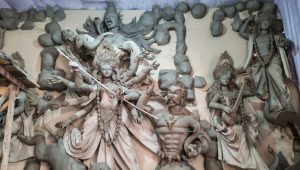
Despite the decline, Pohela Baishakh injects temporary life into the sector. Potters produce colourful items such as clay pots, vases, toys, and decorative pieces, often painted in red, white, and yellow to match the festive spirit.
But the economics remain harsh. High input costs, especially for colours and materials, contrast with low selling prices. Many artisans report working long hours for minimal returns.
Another artisan, Subal Pal, said the lack of institutional support has worsened the crisis. “Other cottage industries get attention, but no one looks after us. If this continues, the craft will disappear,” he said.
Field visits across Gaibandha show similar distress. Artisans such as Narayan Babu Pal and Madhabi Rani said they inherited the craft from their parents but now struggle to maintain livelihoods. Younger family members are increasingly opting out due to uncertain income.
Local officials acknowledge the challenge. Thakurgaon Deputy Commissioner Mohammad Rafiqul Haque said steps would be taken to support artisans through government assistance and patronage.
Experts say the crisis reflects broader structural changes. Urbanisation, industrial production, and changing consumer habits have eroded demand for traditional goods. Without policy support, modernisation, and market access, the sector faces long-term decline.
For now, Baishakh remains a fragile lifeline. Artisans say the festival should not be their only window for survival. Sustained demand, better pricing, and targeted support are needed to keep the centuries-old craft alive beyond the colours of a single season.