In the shadow of scorched high-rises and the skeletal remains of what were once iconic landmarks, a flicker of life is returning to the streets of Khartoum. After more than two years of a brutal conflict that transformed Sudan’s capital into a ghost town, the city is inching toward a fragile normality.
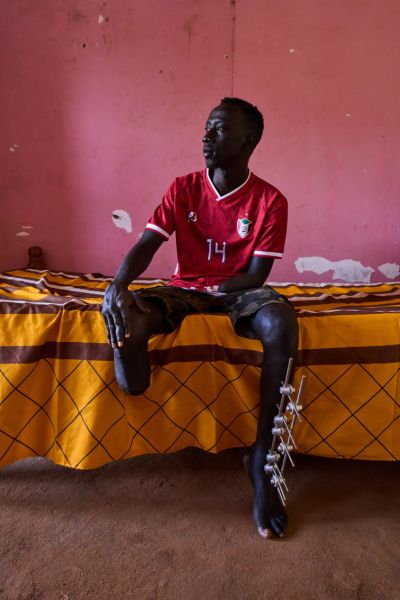
Today, children wander through amusement parks in the shadow of buildings reduced to shells, a poignant reminder of the war that has gripped the nation since April 2023.
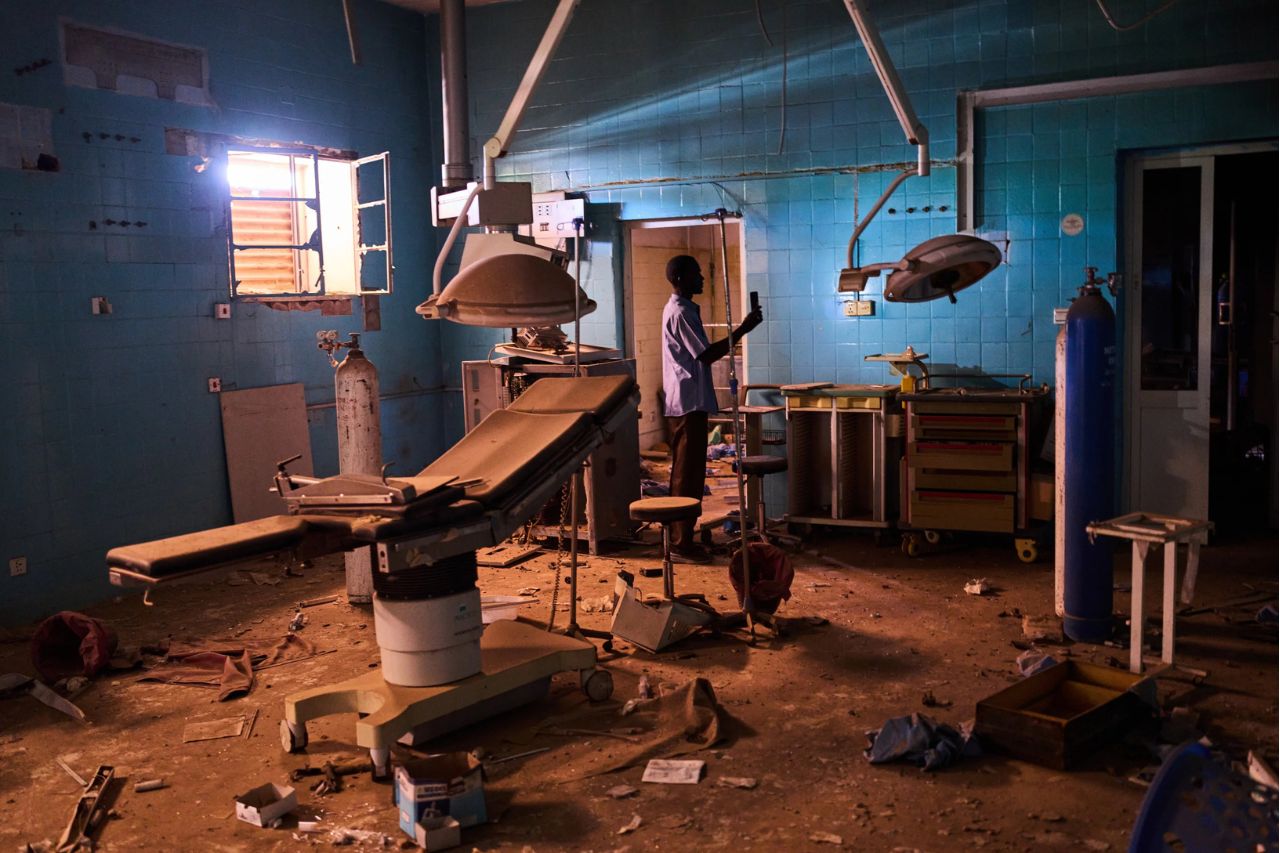
The physical scars of battle remain inescapable; bullet holes riddle homes, burnt-out vehicles block thoroughfares, and the ground is littered with bullet casings and unexploded grenades.

1Streets once bustling with commerce are now lined with improvised graveyards, which volunteers have begun the grim task of exhuming to identify the thousands of unidentified dead.
Despite the devastation, a sense of resilience is emerging. In southern Khartoum, groups like the South Belt Resistance Committees – composed of young volunteers – are working to restore the looted Al-Azhari Health Center, viewing it as a vital step for the community’s survival.

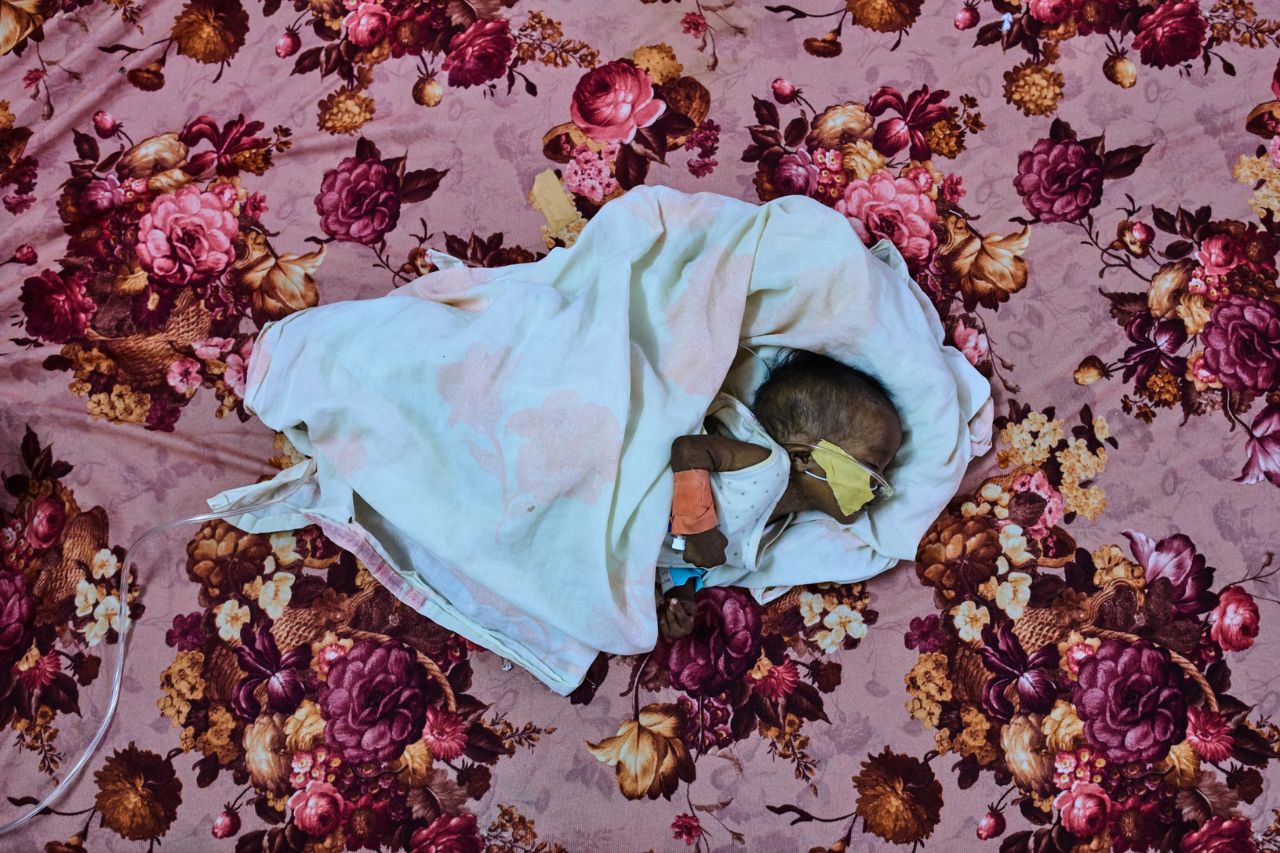
On the outskirts of the Sudanese capital, in its sister city of Omdurman, essential services like water, electricity, and healthcare are being slowly restored through a combination of official and grassroots initiatives.
However, the road to full recovery remains steep and fraught with economic hurdles. Infrastructure damage is estimated at 70 per cent, with unofficial figures suggesting that reconstruction could cost a staggering $300 billion.
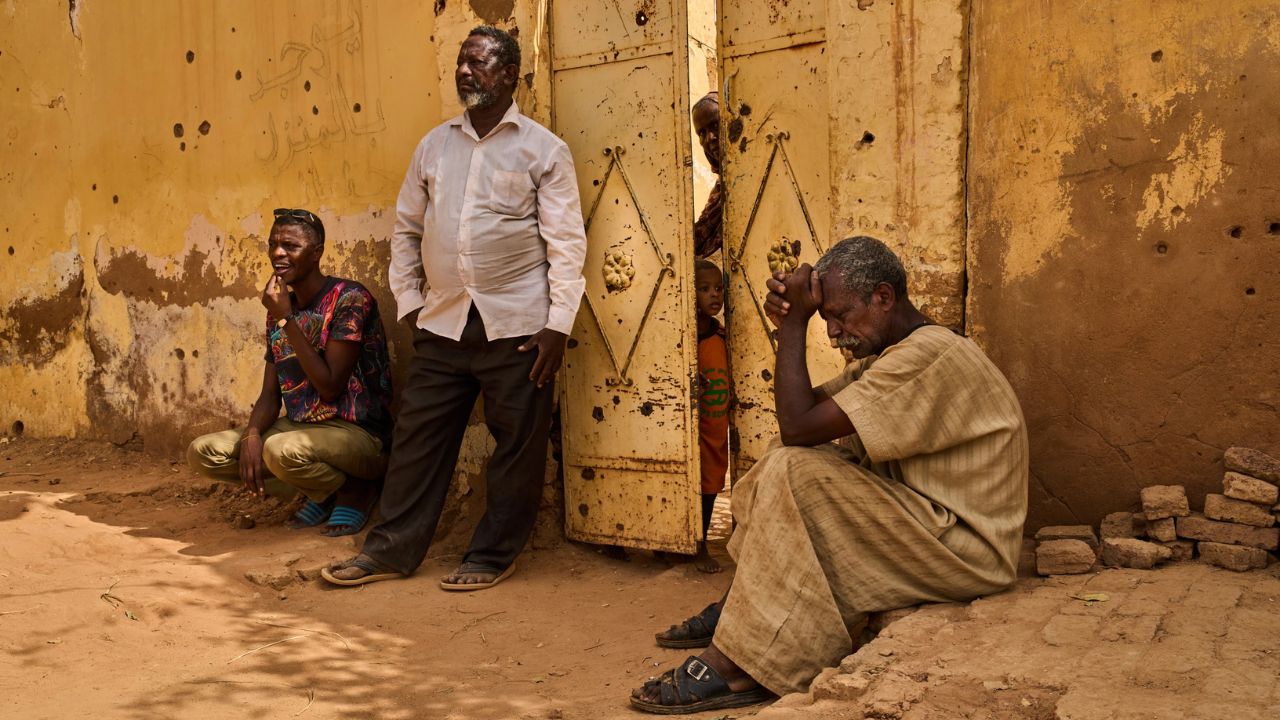
Basic necessities like water and internet remain scarce, while the price of diesel has soared to over 30,000 Sudanese pounds on the black market.
Yet, at the Central Market in southern Khartoum, the faint echoes of pre-war life can be heard. While business is slow, the city is finally beginning to heal.