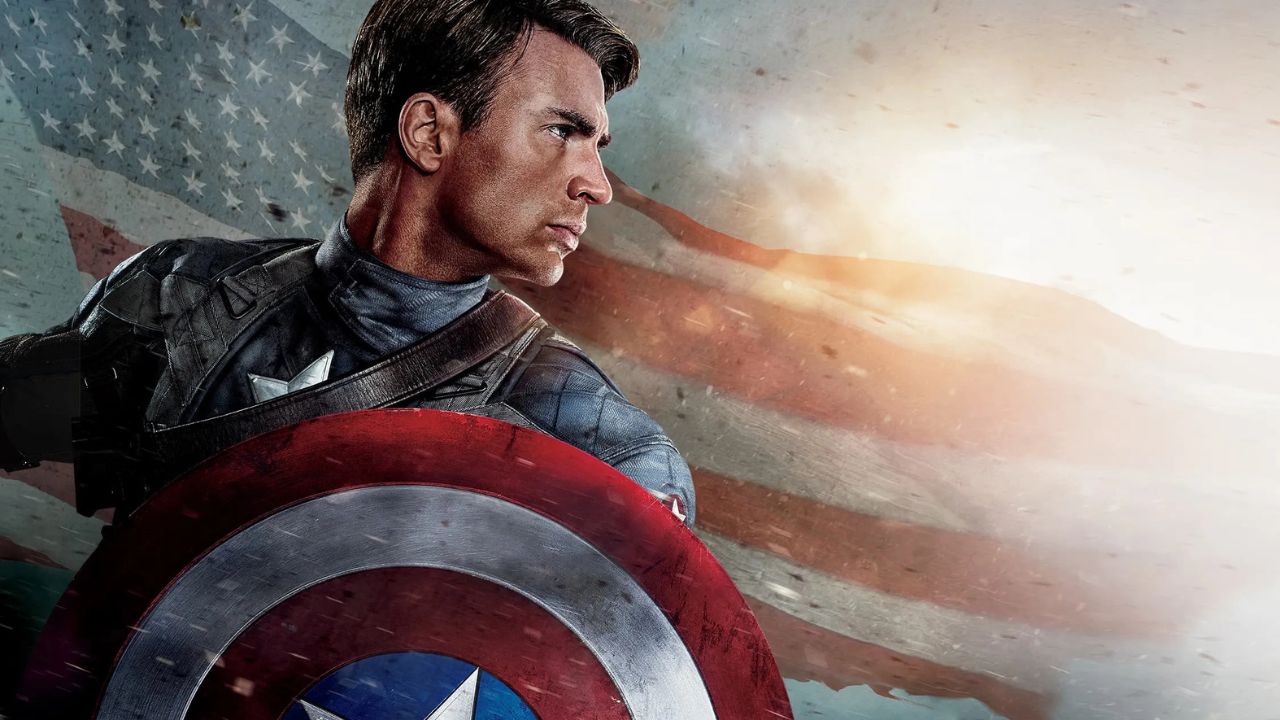



Every July, America remembers its story of independence. On 4 July each year, the nation celebrates the birth of an idea: freedom.
But decades before Hollywood turned superheroes into global icons, another American story was already unfolding in comic books. It was the story of an ordinary man who believed freedom was worth fighting for.
His name was Steve Rogers. He was Captain America.
When Captain America: The First Avenger opened in cinemas on 22 July 2011, Chris Evans introduced the iconic superhero to a new generation. The film arrived at a time when America was once again reflecting on its identity. Beneath the explosions, superhero battles and Marvel spectacle lay a much older question:
“What does America stand for?”
Created in 1941 by writer Joe Simon and artist Jack Kirby, Captain America emerged during one of history’s darkest periods. The world was at war. Fascism was spreading across Europe, and the United States was preparing to enter the Second World War.
The character’s debut was anything but subtle. The cover of Captain America Comics #1 showed the superhero punching Adolf Hitler, instantly turning a comic-book hero into a symbol of resistance.

Captain America was never created simply to entertain. He was created to represent an idea.
More than 70 years later, director Joe Johnston brought that idea to the big screen. Instead of introducing audiences to a mighty warrior, he began with a frail young man who repeatedly failed military recruitment because of his physical limitations.
Yet Steve Rogers possessed something more valuable than strength.
He had courage.
His transformation from a weak recruit into a super-soldier became the emotional heart of the film. The Super Soldier Serum did not create his goodness. It revealed and amplified the qualities already within him.




That became Captain America’s enduring message.
A hero is not defined by the amount of power he possesses, but by how responsibly he chooses to use it.
For Americans, the symbolism of the film’s July release was impossible to ignore. Captain America has always been tied to national identity, but The First Avenger presented a more thoughtful vision of patriotism.
According to Marvel fans, Steve Rogers did not fight because his country was perfect. He fought because he believed certain values deserved protection.
Freedom. Equality. Human dignity.
The shield he carried became more than a weapon. Forged from vibranium and painted in the colours of the American flag, it symbolised protection rather than destruction.
Unlike many superheroes driven by revenge or personal tragedy, Captain America’s purpose was service. He never sought glory. He sought purpose.
That distinction made him different.
The film also marked an important moment in Hollywood history. As the final origin story before The Avengers (2012), The First Avenger bridged Marvel’s past with its cinematic future. It followed Steve Rogers from a Second World War soldier to a man displaced in time, carrying the values of a lost generation into the modern world.
Captain America’s greatest evolution, however, came after his first film.
In later instalments, including Captain America: The Winter Soldier and Captain America: Civil War, the character grew more complex. He questioned governments, challenged authority and showed that remaining loyal to ideals sometimes meant standing against institutions.
The patriotic hero became something deeper.
He became a symbol of conscience.
That is why Captain America has endured for more than eight decades.
Because beneath the mask was never just a superhero.
It was a question.
A question every generation must answer:
What kind of person deserves to carry the shield?
Perhaps that is why, every July, the story of Captain America still feels as relevant as ever.