When Algeria face Austria in their final Group J match at on Sunday, the game will carry the weight of one of football’s most infamous controversies, played out 44 years ago in a Spanish city that gave its name to an act of sporting disgrace.
In the 1982 World Cup, West Germany and Austria played out a 1-0 result in Gijon that both sides knew would send them through at Algeria’s expense. Algeria had already beaten West Germany 2-1 and Austria 2-0 in the group stage, producing one of the tournament’s greatest upsets, only to be eliminated by a match that was effectively choreographed to exclude them. The game became known as the “Disgrace of Gijon” and prompted FIFA to introduce simultaneous final-round kickoffs across all groups, a rule that remains in place today.
Now, four decades later, the two nations meet again with qualification at stake.

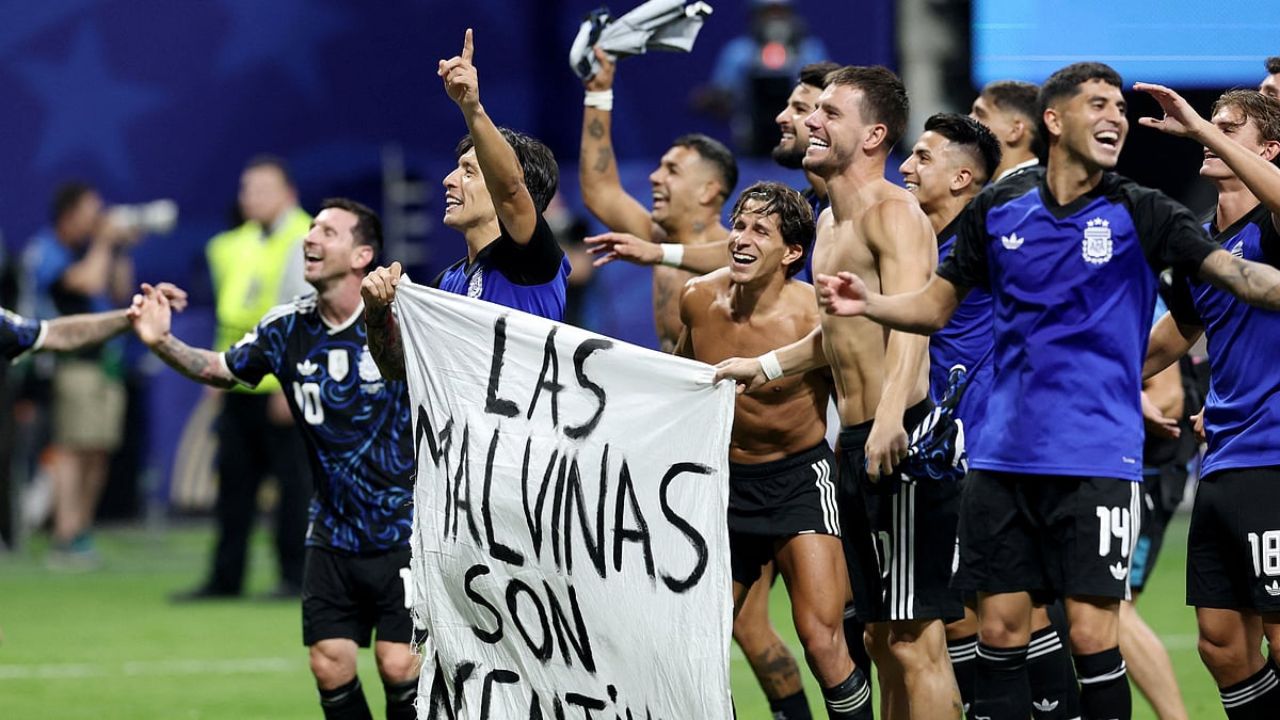
Argentina have already secured top spot in Group J and will face Cape Verde, the tournament debutants, in the round of 32. The second place is still to be decided.
Austria currently sit second and will qualify automatically with either a win or a draw. A win takes them to six points, while a draw keeps them ahead of Algeria on goal difference.
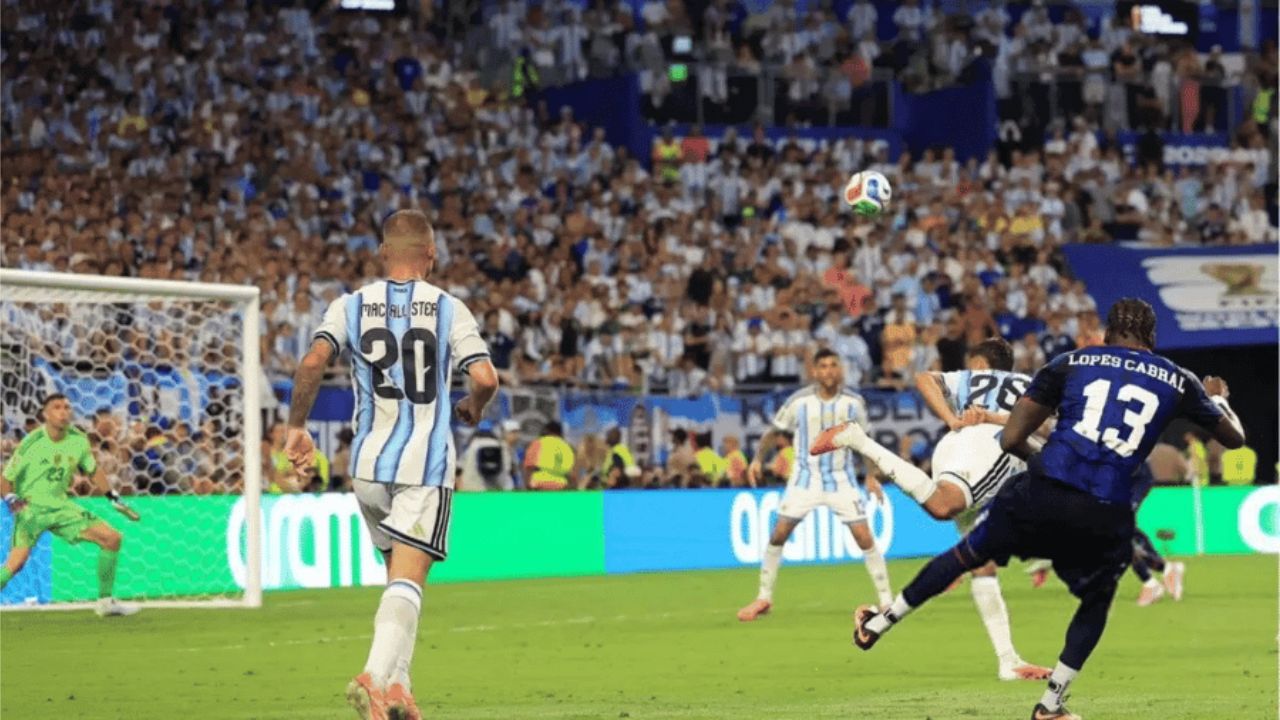


Algeria will qualify automatically if they beat Austria, moving above them into second place. A draw would leave them on four points, which may still be sufficient to advance as one of the eight best third-placed teams. If they lose, they remain on three points and their fate will depend on how other third-placed sides have fared.
Crucially, Group J is the last group to conclude, meaning both sides will know before kick-off whether a narrow defeat could still be enough for Algeria to progress as a third-placed qualifier.
The echoes of 1982 lend this fixture a significance that goes beyond the Group J standings. The “Disgrace of Gijon” remains one of the most debated moments in World Cup history, a case study in the tension between sporting integrity and tournament structure. Though simultaneous kickoffs were introduced to prevent a repeat, the possibility of mutually beneficial results in final group games continues to shadow the competition.
Algeria’s players will need no reminder of what was taken from their predecessors in 1982. Sunday morning offers a chance to write a different ending.