Dr. Sayed Saikh Imtiaz
Recently, Bangladesh’s political parties signed the July Charter. This happened during a tense and uncertain time. The document promises term limits, power-sharing, and electoral reform. It also promises a new respect for the Constitution. Foreign diplomats praised it as a big step for democracy.
But for many citizens, it did not feel like a fresh start. It felt like a funeral for a political system that had already fallen. The Charter was not created from goodwill. It was forced into existence by blood, tears, and protest. It is a symbol of hope, but it is also an admission of failure.
For fifteen years, Sheikh Hasina’s power seemed unbreakable. She often said no illegal force could remove her. But she forgot the Constitution belongs to the people. The people are its true guardians. In 2024, they proved this once again. What collapsed was not just a government. It was an entire system built on trading favors, fear, and loyalty. It mistook economic growth for moral rightness and public silence for public approval.

The old regime’s power worked on a simple trade: loyalty for access. Wealth, influence, and even justice were given through a network of party members, officials, and security forces. They controlled every link between the people and the state. The media, tempted by money, became part of this network. Political loyalty became more important than good citizenship. The poor obeyed to survive. The rich pledged allegiance for safety. The result was not real governance, but a marketplace of privilege disguised as democracy.
This system lasted longer than it should have. It was propped up by money sent from workers abroad. Billions of dollars each year created an illusion of prosperity and hid the true inequality. Economic growth was used as a substitute for justice. As long as the numbers were good, everyone could pretend the country was stable. When growth slowed, the illusion broke, revealing a tired and deceived nation.

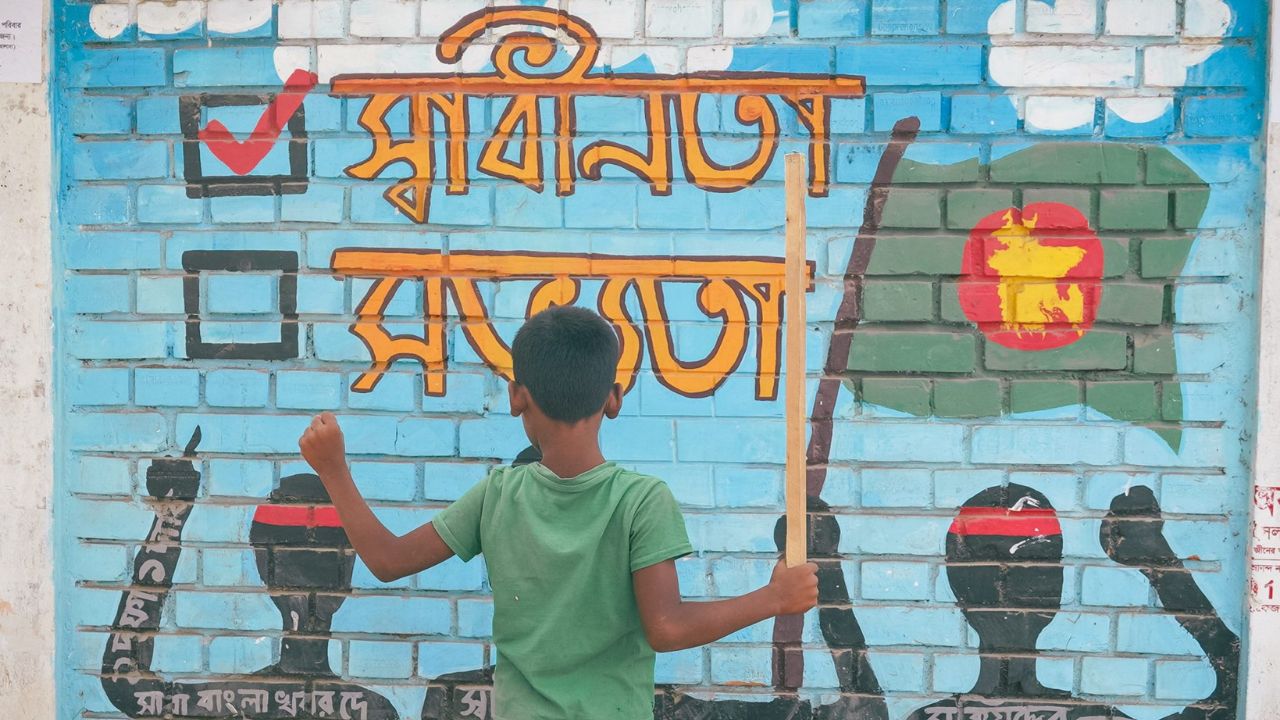


The regime also survived by controlling national memory. It claimed sole ownership of the Liberation War and its heroes, treating patriotism as its private property. But the young generation of 2024 saw this history differently. To them, it had become a political weapon used to silence critics. Their protest was not just political- it was cultural. They demanded that history stop being used to justify today’s corruption. The Awami League did not fall because it abandoned its ideals. It fell because it used those ideals to suppress the people who believed in them.
Inside the government, many knew the system was failing. They secretly moved money overseas and secured foreign passports. But they believed their control over the army, courts, and bureaucracy would protect them. They believed public fear would keep them safe. They were wrong. Authoritarianism falls not when people become brave, but when rulers mistake silence for loyalty and loyalty for love.
Whether Sheikh Hasina or her family return to power depends on what happens next. If new leaders practice the same corruption under a new name, the old regime will return in spirit. The test now is not revenge, but reform. People may forgive corruption, but they will never forgive hypocrisy. In the end, actions, not words, will create legitimacy.
To make this legitimacy last, impunity must end. No one can be above the law; not politicians, generals, bureaucrats, or media owners. Justice must be fair, but it must also be firm. Every illegally gained fortune must be investigated. Every power broker must be held accountable. The bureaucracy must learn to serve the people, not rule them. The media must also answer for its role, with transparent ownership. And because new opportunists always appear, the rules must change: campaign finance must be open, local governments must control their own money, and all public contracts must be published online.
Most ordinary Awami League supporters never received any illegal benefits. They stayed loyal because of emotion and memory, not wealth. To ban the party entirely would punish these supporters while the real culprits escape. It would also repeat the same culture of impunity that people fought to destroy. The party should not be banned. Instead, those who used it for personal profit must be identified and brought to justice. Only by separating guilt from loyalty can Bangladesh build a fair political future.
The July Charter will mean nothing if it is just a performance. It can only mark a renewal if it truly ends impunity and builds a politics that serves citizens, not clients. The fall of one regime does not guarantee a better one. It only opens a narrow door for honesty to enter before greed returns. Bangladesh has often changed its rulers, but rarely its rules. If this revolution is to last, punishment must become prevention. Loyalty must give way to law. And history must finally make space for a future free from myth.
The writer is a Professor of Design Thinking, Innovation and Gender Lab, Department of Women and Gender Studies at Dhaka University