High on a cliff in Cambodia’s Dangrek Mountains stands a temple that has survived centuries of time, weather and empire. Today, however, the 1,000-year-old Preah Vihear Temple bears scars not from nature, but from modern conflict. Stone debris lies scattered across its ancient courtyards, warning signs replace tourists, and silence has settled over a place once filled with history and devotion.
Built in the 11th century by the Khmer Empire and dedicated to the Hindu god Shiva, the temple is one of Cambodia’s most treasured cultural landmarks and a UNESCO World Heritage site.
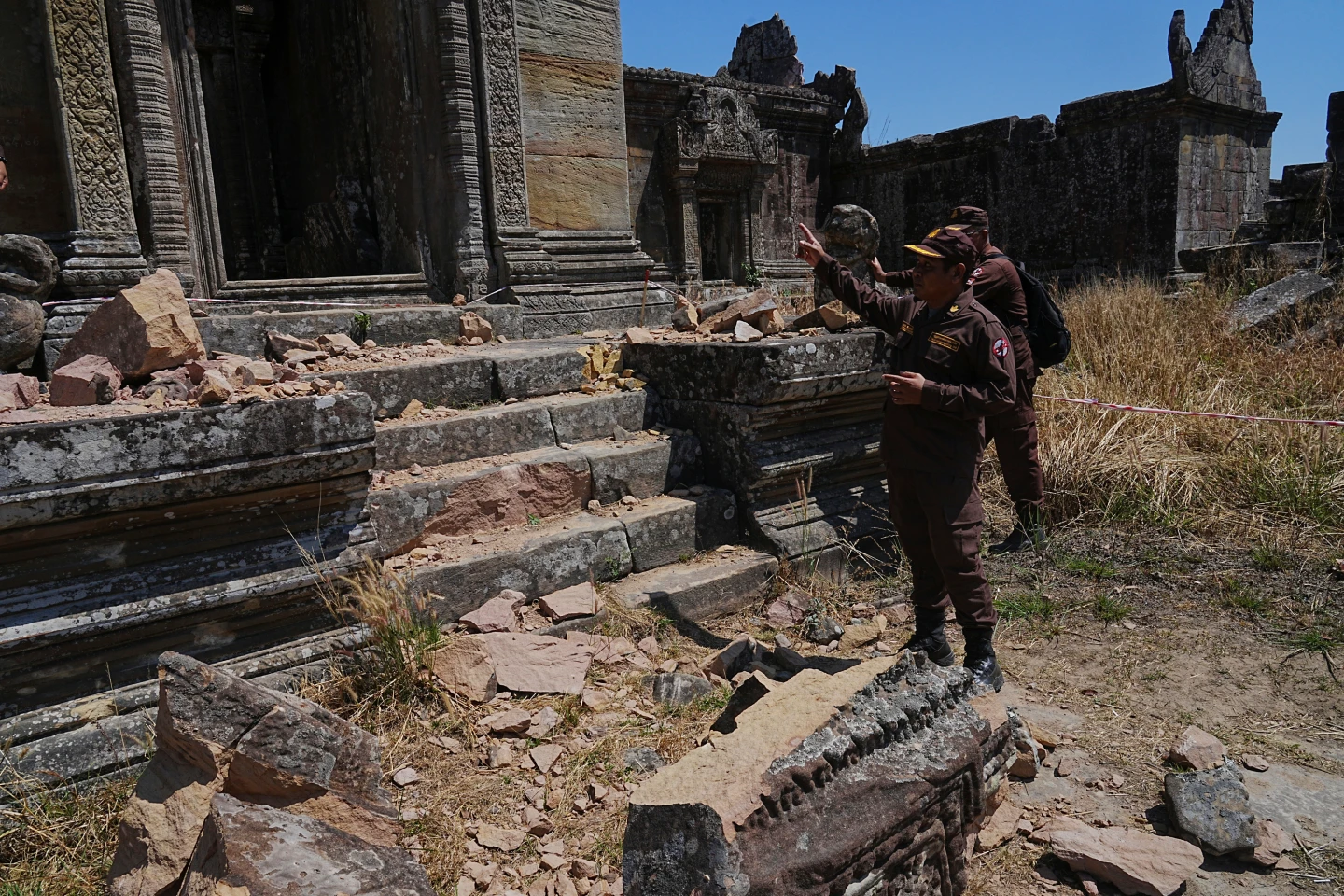
For generations, it stood as a symbol of heritage and spirituality, overlooking the plains below. But recent border clashes between Cambodia and Thailand have left the structure badly damaged, turning a sacred site into a fragile reminder of geopolitical tension.

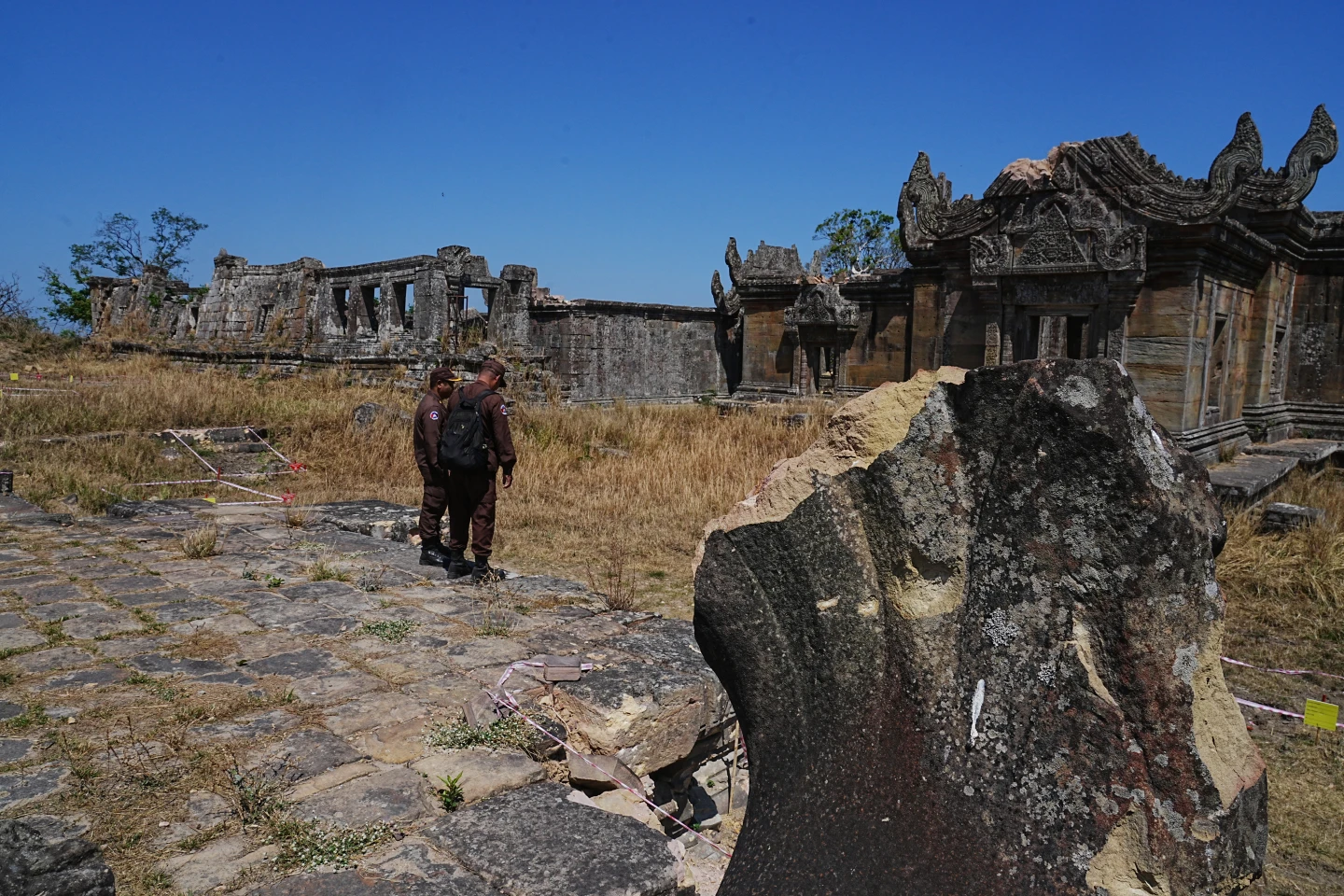
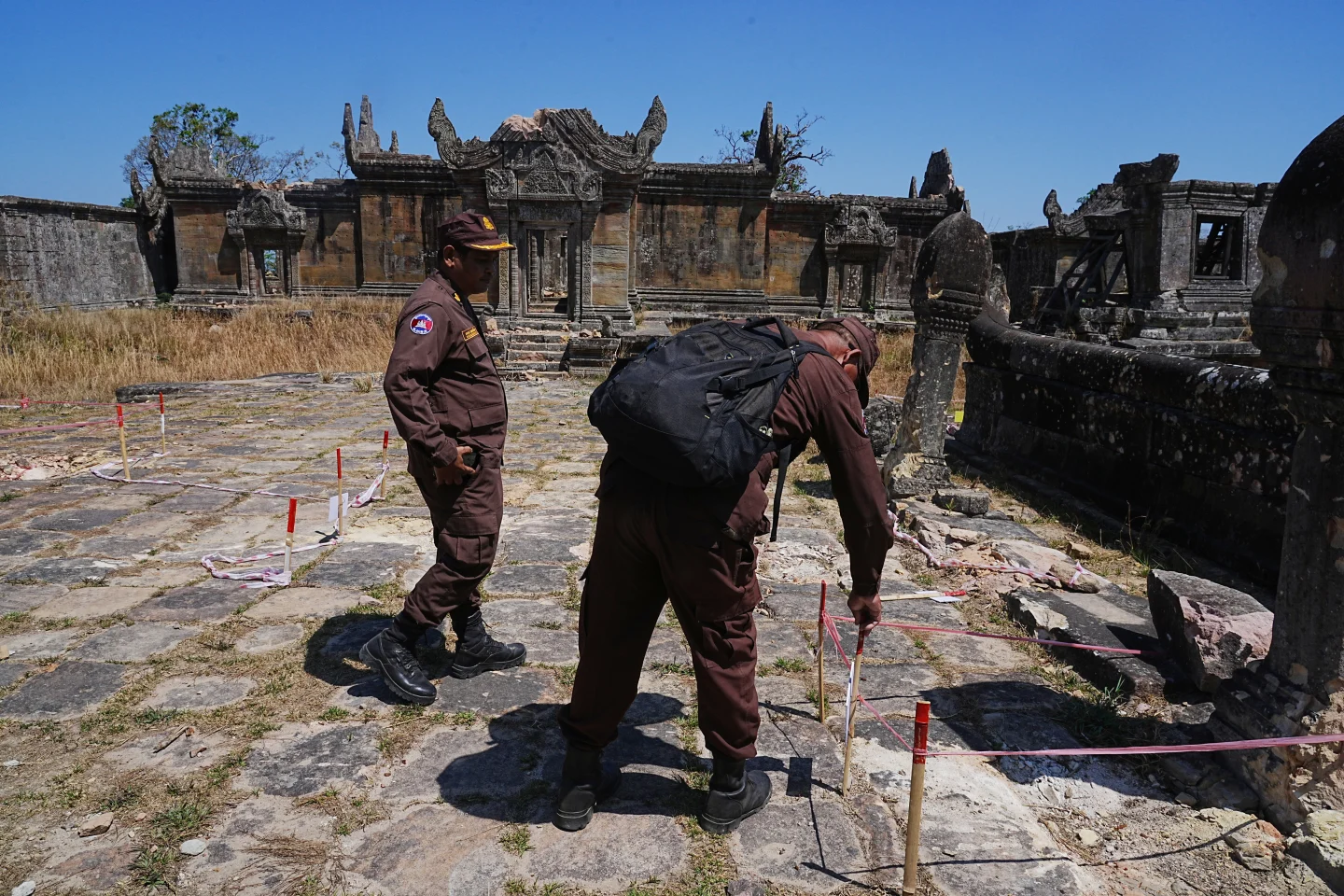
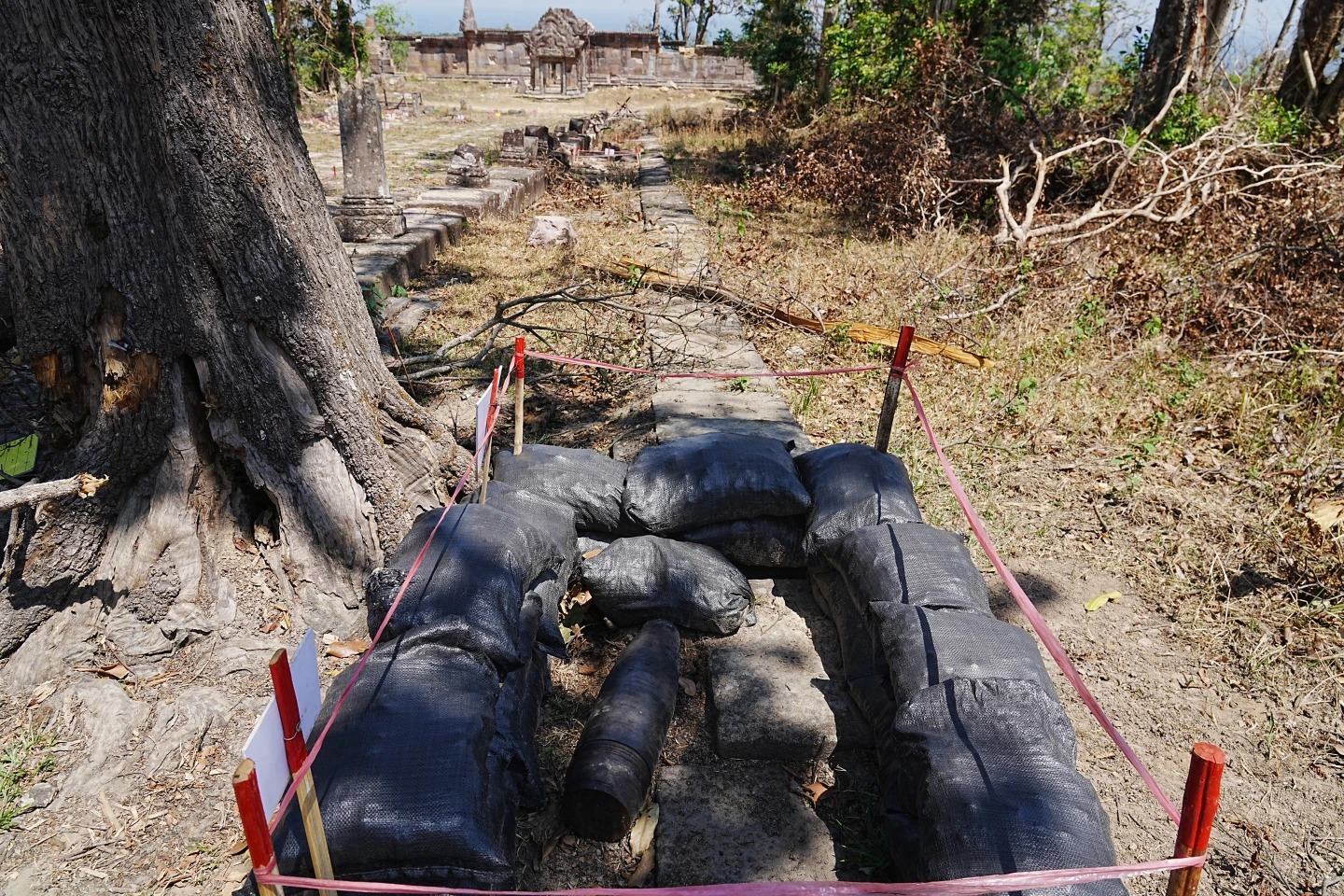
Three months after a ceasefire ended heavy fighting, the temple still carries deep wounds. Artillery craters mark the pathways, gateway pavilions have been shattered, and parts of the ancient staircase are now severely damaged. Conservation teams and security forces patrol the area, while landmines and unexploded ordnance make it too dangerous for visitors. Experts fear that with the upcoming rainy season, weakened structures may collapse entirely.




The conflict surrounding Preah Vihear is not new. Cambodia and Thailand have disputed ownership of the temple for decades, with the International Court of Justice ruling in Cambodia’s favour in 1962 and reaffirming parts of that decision in 2013. Yet unresolved border tensions and nationalist sentiments have repeatedly turned the sacred site into a battlefield, where history and politics collide.
Today, the temple stands quiet, watched by soldiers instead of pilgrims. Its broken stones and deserted pathways reflect a painful reality: cultural heritage often becomes a casualty of modern conflict. For Cambodia, Preah Vihear is a piece of identity and pride. For the world, it is a reminder that history, no matter how old or sacred, remains vulnerable when politics and war overshadow preservation.
As the sun sets over the cliff-top sanctuary, the temple continues to endure, waiting for a time when it can once again be a place of peace rather than a witness to conflict.