Pohela Baishakh is the first day of the Bengali year. For a long time, this day has been celebrated across both rural and urban Bengal as the New Year, marked by traditional ceremonies and a festive atmosphere. It is a universal, national festival of the Bengali people. People from all walks of life across the country welcome the day with joy and enthusiasm. By washing away past failures, sorrows, and all negative elements, people celebrate this day with the hope of moving forward into a new journey guided by welfare, happiness, truth, justice, and prosperity.
During the reign of Mughal Emperor Akbar, the formal celebration of the New Year on Pohela Baishakh began in Bengal, primarily to facilitate the collection of land revenue after the harvest. Later, in different regions, local zamindars introduced the Punyah system at the end of the year to collect taxes, which was accompanied by festive gatherings. However, with the decline of the zamindari system and royal authority, the Punyah tradition gradually disappeared. Even today, in places like the Chittagong Hill Tracts and other parts of Bangladesh, various Halkhata (annual accounting) ceremonies are still held. The Baisabi fair or festival in the Chittagong Hill Tracts is a notable example of such traditional celebrations. In rural areas, the New Year is often celebrated through fairs featuring kite flying, toys, dolls, household items, clay crafts, traditional games, music, dance, and various cultural activities. Over time, in urban settings, the celebration has evolved into a more modern form, blending traditional elements with contemporary cultural expressions. Yet, whether in city or village, the continuity of Bengal’s age-old cultural heritage has always been preserved with deep respect. This is a natural expression of Bengali identity, not an artificially constructed cultural practice.
The richness of Bangladesh’s natural landscape as well as the recreational aspects of modern urban living, all come together in this festival. It is celebrated in Dhaka and across various cities and regions of the country. In Dhaka, the traditional celebration organised by Chhayanaut under the banyan tree at Ramna marks the welcoming of the Bengali New Year. This practice began during the Pakistan era and continues in independent Bangladesh. The Mangal Shobhajatra, organised by the Faculty of Fine Arts at the University of Dhaka, has also been a long-standing tradition. Not only students and teachers of the faculty but also people from Dhaka and across the country participate in it. This vibrant and inclusive procession symbolises welfare, artistic expression, and the spirit of the New Year, reflecting the unity of the people of Bangladesh.

At various times, Bangladesh has faced crises – natural disasters, economic challenges, as well as internal and international political pressures. Yet, the Bengali people have never forgotten their cultural consciousness, inclusive nationalism, and inherent potential. Rather, in overcoming crises and striving for future prosperity, they have nurtured their long-standing cultural heritage. Through renewed expressions, people have moved away from injustice, falsehood, coercion, oppression, corruption, and wrongdoing, towards refined thought, welfare, and justice.

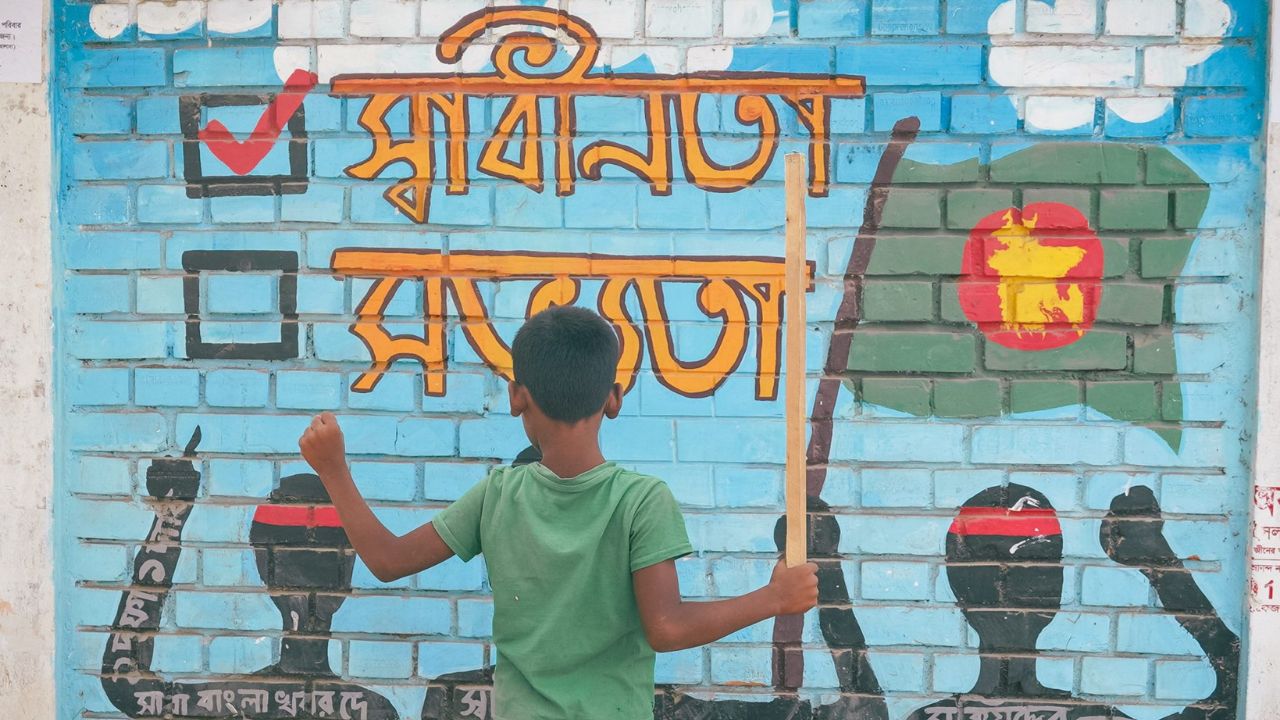


The people of Bengal have always remembered and practised these traditions, drawing strength and prosperity from them. The sacrifice of three million Bengalis in the Liberation War of 1971 and the history of the Language Movement of 1952 demonstrate that culturally enriched nationalism is the core strength of the Bengali people. Today’s Bangladesh is a country full of potential, and to realise this potential, it is essential to remember and practise the achievements and traditions of the past. By embracing language and culture, the Bengali people will continue to move forward. For they have never surrendered to injustice, falsehood, or narrow-mindedness in the past, and they will not do so in the future. They cherish and honour their country, language, and culture with deep respect and love.
It is believed that in this New Year of 1433, Bangladesh will move beyond corruption, falsehood, and ignorance, embarking on a new journey rooted in inclusive nationalism, democracy, and progress – one in which people will attain a more developed, prosperous, and forward-moving life.
The writer is the Former Pro-Vice-Chancellor, Bangladesh Medical University