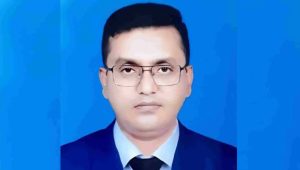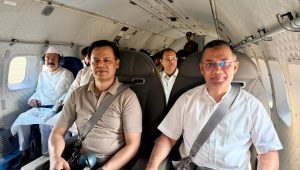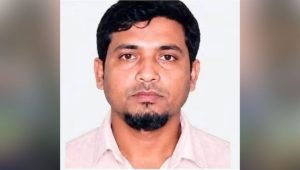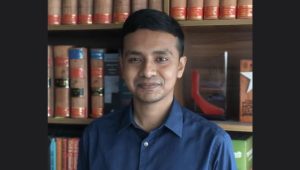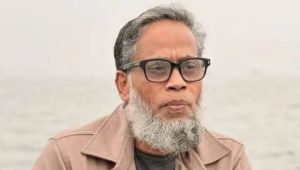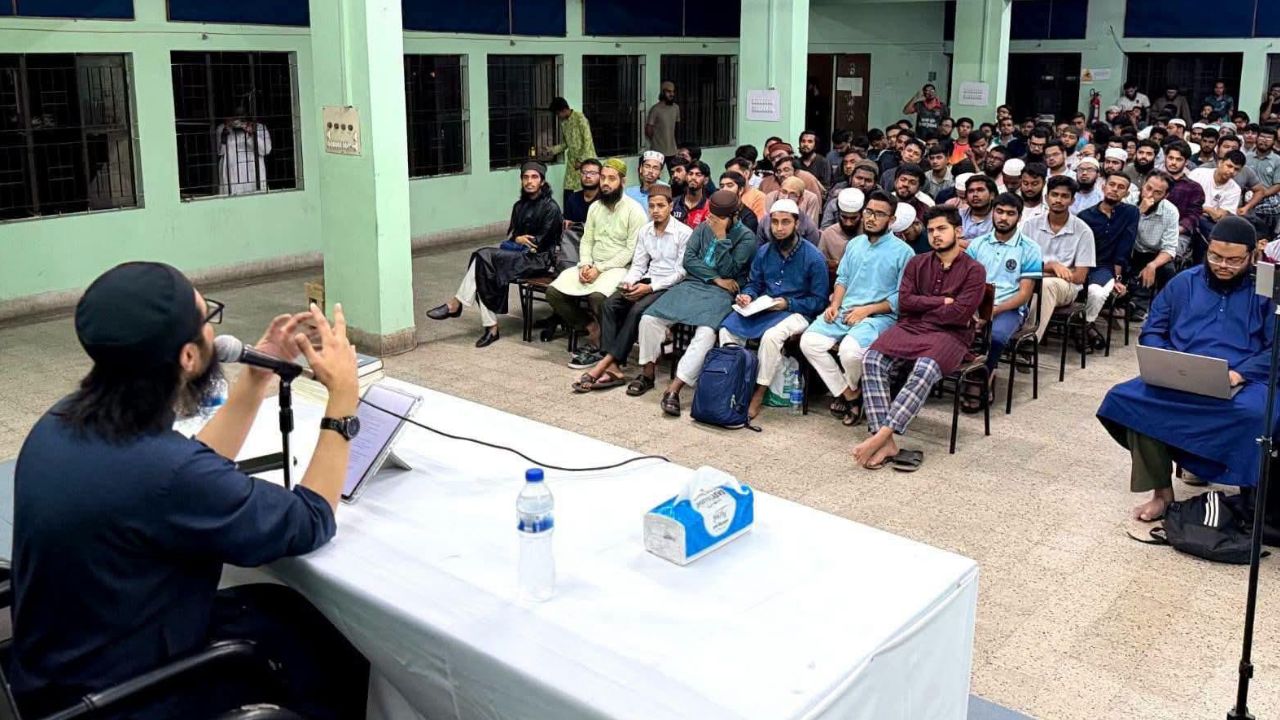



Samiun Rahman, a UK citizen of Bangladeshi origin, was arrested in Dhaka on 28 September 2014 for recruiting people to fight for the then-emerging terrorist group Islamic State in Syria and Iraq (ISIS) and Jabhat al-Nusra, an al-Qaeda affiliate operating in the Middle East.
Four days earlier, police arrested two youths — Asif Adnan and Fazle Elahi Tanzil — from their residences in Dhaka after tracking electronic messages exchanged between them and Samiun. Asif is the son of a former High Court judge, while Tanzil is the son of a retired senior bureaucrat.
Samiun was arrested following information provided by Asif and Tanzil, and all three reportedly confessed to their involvement and planning during police interrogation, according to local and international media reports.
Several other recruits were also arrested before they could leave the country to join ISIS and fight for its deadly ideology.
Their arrests came amid the wars in Syria and Iraq, when hundreds of men and women, mostly young people, were travelling to the region from various countries to fight for ISIS and several al-Qaeda affiliates. They were responding to ISIS leader Abu Bakr al-Baghdadi’s call for the establishment of a caliphate, announced from the Iraqi city of Mosul on 4 July 2014.
Several hundred Bangladeshis, motivated by the group’s ideology and recruiters, also joined the conflict. Many of them died fighting.
Asif, who studied economics at Dhaka University, and Tanzil, who completed his O and A Levels, were planning to travel to Syria under the cover of Tabligh Jamaat, a movement known for its peaceful Islamic activities, investigators told journalists.

As the son of a retired High Court judge, it was not difficult for Asif to secure bail. Not only that, the case against him was later scrapped. After being released from jail, Asif focused on preaching Islam, particularly among teenagers.
He also ran Facebook accounts and pages to disseminate his views, eventually emerging as an ideologue among a large number of young people.
Following the political changeover in 2024, he became increasingly vocal and active. He joined hands with like-minded individuals and organised seminars and discussions in Dhaka and elsewhere in the country, through which he promoted his extremist views in subtle ways.
The internet and social media platforms are now filled with his lectures. He also wrote several books to push forward his ideology.




Now pursuing a PhD in Malaysia, Asif has claimed that he was a victim of the fallen government and has maintained that he was innocent.
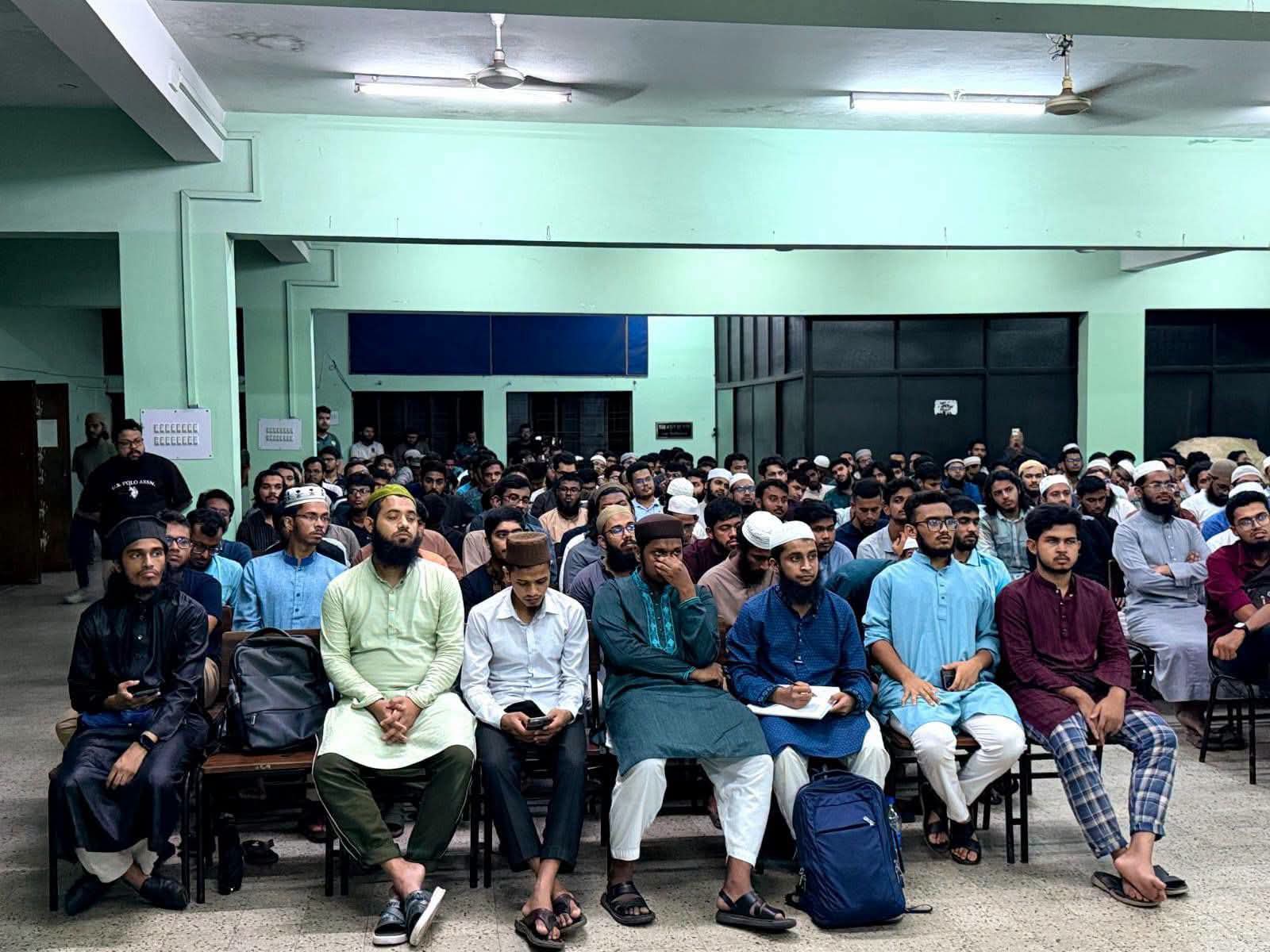
What is particularly surprising and dangerous is that Islami Chhatra Shibir, the student wing of Jamaat-e-Islami, is now attempting to establish Asif at Dhaka University, portraying him as an innocent person who was victimised by Sheikh Hasina’s counterterrorism campaign.
On Sunday, Asif went to Amar Ekushey Hall at Dhaka University to deliver a lecture titled “AI, Transhumanism and Islam: Exploring the Future of Humanity through Faith, Ethics, and Technology.”
The Shibir-supported Ekushey Hall Union arranged the discussion and invited Asif without informing the hall authorities. Although it obtained approval to hold the event, it withheld information about Asif’s participation.
Hall union vice-president Rabiul Islam denied on Sunday night that he or the union had arranged the discussion, claiming that it had been organised by general students. However, TIMES of Bangladesh found evidence contradicting his claim.
Messages exchanged in the hall’s WhatsApp group, “Ekushey Snowball”, show that Rabiul and hall union literature secretary Fahim Shahriar were behind the event. In response to a message from Talal Tahmid asking whether outsiders could attend, Rabiul wrote in the group: “Bring if you know someone.”
Fahim also shared a video of Asif’s lecture in the group and urged students to attend the discussion.
Hall students said both Rabiul and Fahim were involved in Shibir politics, although the two denied the allegation.
Organisers and resident students said around half of the approximately 220 participants were outsiders. Students said they had never seen many of them at the hall before. The incident stunned general students.
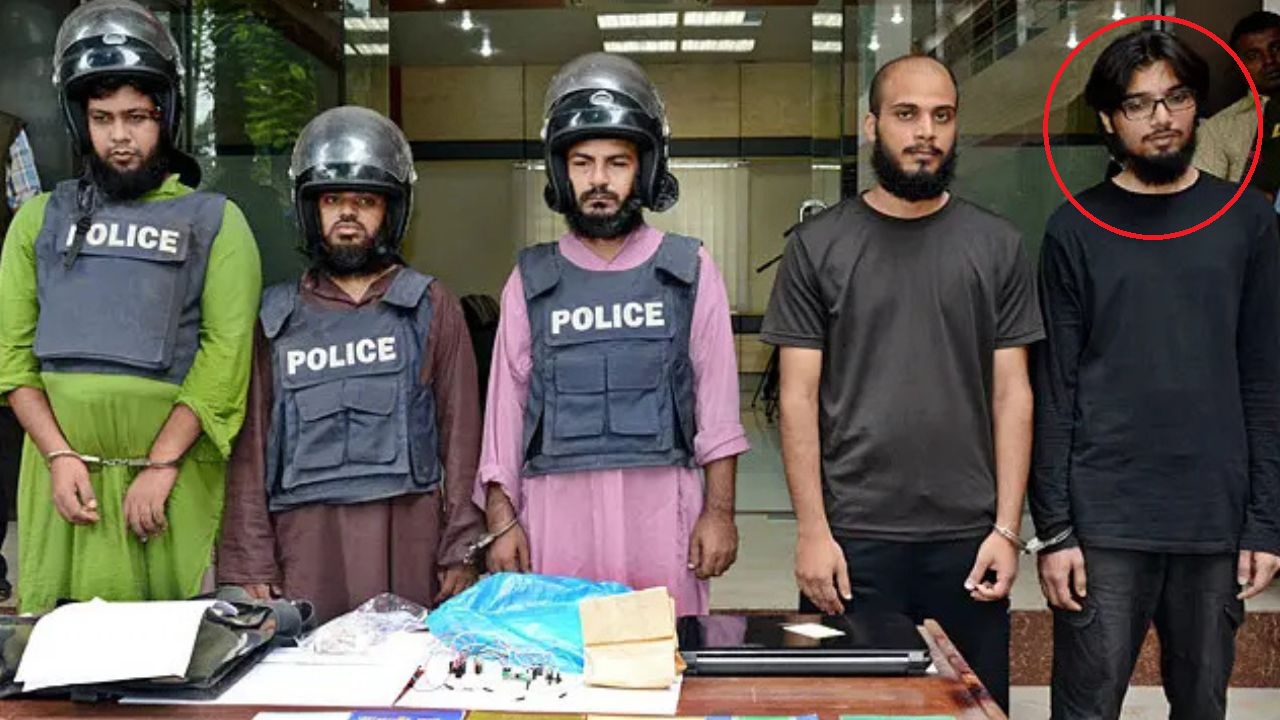
Hall Provost Professor Mohammad Jasim Uddin said prior permission was required to organise any event at the hall.
“I was informed about the discussion, but I did not know that Asif Adnan was attending it. When I came to know about it from students, I shut it down,” he told TIMES.
The incident sparked widespread controversy because Asif had previously been arrested for his involvement with an extremist group and accused of promoting al-Qaeda’s ideology in Bangladesh.
Asif’s visit to Dhaka University and his lecture at Amar Ekushey Hall came days after the UN Security Council warned that al-Qaeda was seeking to establish a cell in Bangladesh.
The programme triggered debate among students, teachers and journalists over how a controversial figure like Asif could be invited to deliver a lecture at a university hall.
“I saw discussions on Facebook that Asif would come to Amar Ekushey Hall on Sunday. I did not believe it. I was stunned when he actually came,” a Dhaka University teacher told TIMES on condition of anonymity.
Many students also reacted angrily to the incident, but none agreed to give their names because of the sensitivity of the matter.