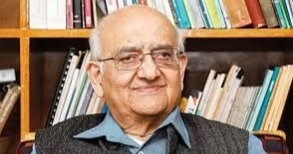

Chairman of the Centre for Policy Dialogue (CPD) Rehman Sobhan on Monday said the government still lacks a clear idea about what reforms are required and where they should take place despite a year of discussions on reforms.
Speaking at an event of Bangladesh Reform Watch, organised by the Citizens’ Platform for SDGs at a city hotel, he voiced strong disappointment over the interim government’s failure to deliver on its reform commitments, reports UNB.
“From the very beginning, the government has been talking about reforms, but we are yet to see any real progress. Initially, over 150 reform proposals were placed, later reduced to 82. Why were they reduced, which reforms will come first, and which are even feasible—there has been no clarity on these questions,” Sobhan said.
“The Chief Adviser has said the election will be held in February. With only six months left, the government must spell out the sequence and priorities of reforms. Without fundamental reforms, neither a fair election nor a sound governance system will be possible.”

Sobhan lamented that more than five decades after independence, reforms have remained largely rhetoric rather than reality.
Simply putting reform proposals on paper and collecting signatures from political parties cannot be considered genuine reforms, he said.


“There is no coordination between political society and civil society. Nor is there synergy among NGOs, research institutions, and academics. Without mobilising citizens at the district level, reforms will not happen,” he told his audience.
Reflecting on his personal experience, Sobhan said, “At the age of 26, I worked with Bangabandhu on the Six Points. This Magna Carta of Bengalis and the framework for an independent Bangladesh did not emerge from thin air. It was crafted by academics based on the sentiments of ordinary people and it later became the charter of our liberation.”
He stressed that if the nation truly wants reforms and freedom, politics cannot be detached from people.
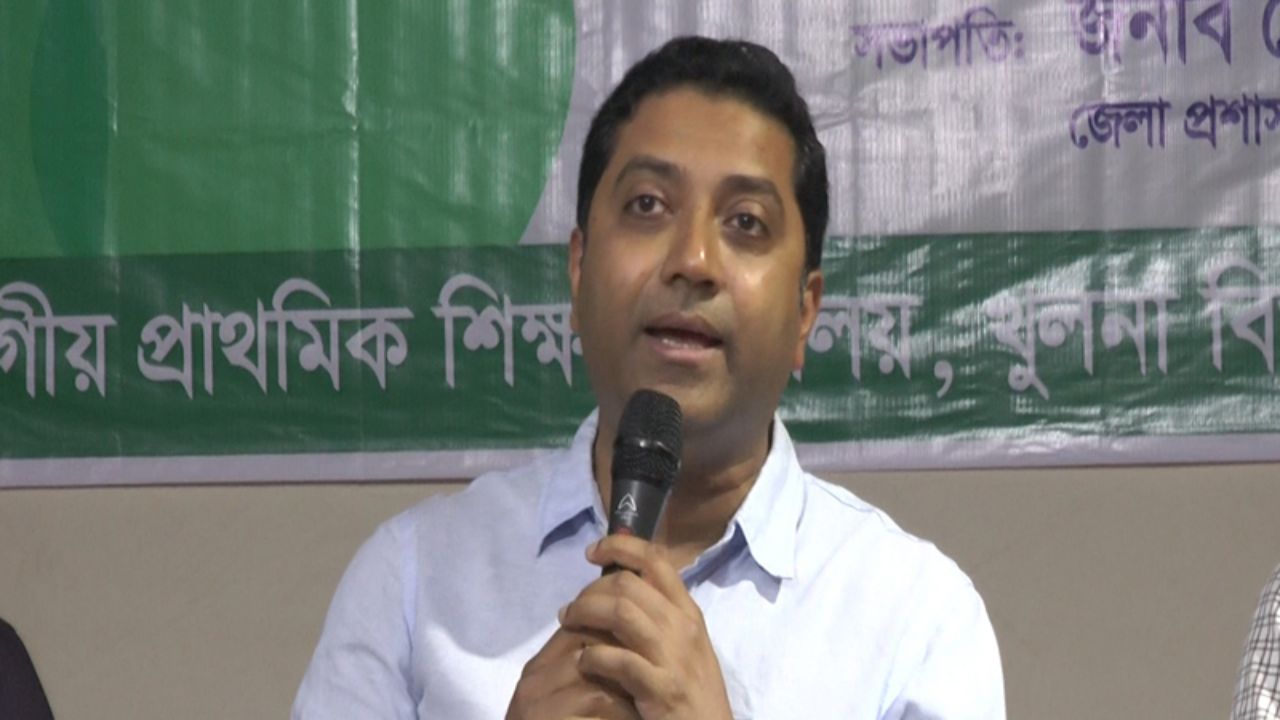
Speaking at the event, Dr Hossain Zillur Rahman, economist and Chairman of the Power and Participation Research Centre (PPRC), criticised the interim government for confining the reform process within 11 commissions.
“There is serious doubt whether these commissions reflect what the people actually want. Citizens aspire for freedom from authoritarian control, an inclusive social environment, and everyday welfare. The government should have prioritised these aspirations, but it has failed to do so,” he said.
Hossain Zillur said people were missing from the government’s calculations and that the authorities had taken responsibility only to go to sleep.
He said although the government had raised great expectations, it failed to fulfill them or implement reforms, and therefore owed the people an answer.
Expressing similar frustrations, former Jahangirnagar University professor of economics Anu Muhammad said the government keeps citizens under 24/7 surveillance, but now it is time for citizens to keep the government under surveillance.