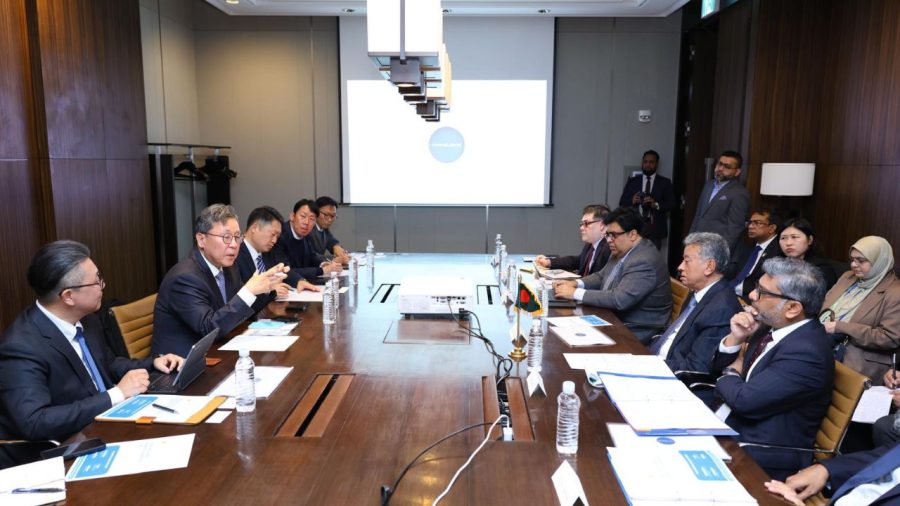



Bangladesh and South Korea have agreed to deepen economic cooperation following the successful conclusion of negotiations on the Comprehensive Economic Partnership Agreement (CEPA), with a focus on expanding trade, investment, technology transfer and private-sector collaboration.
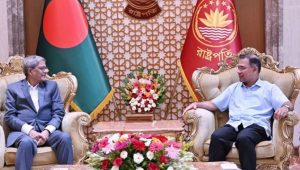
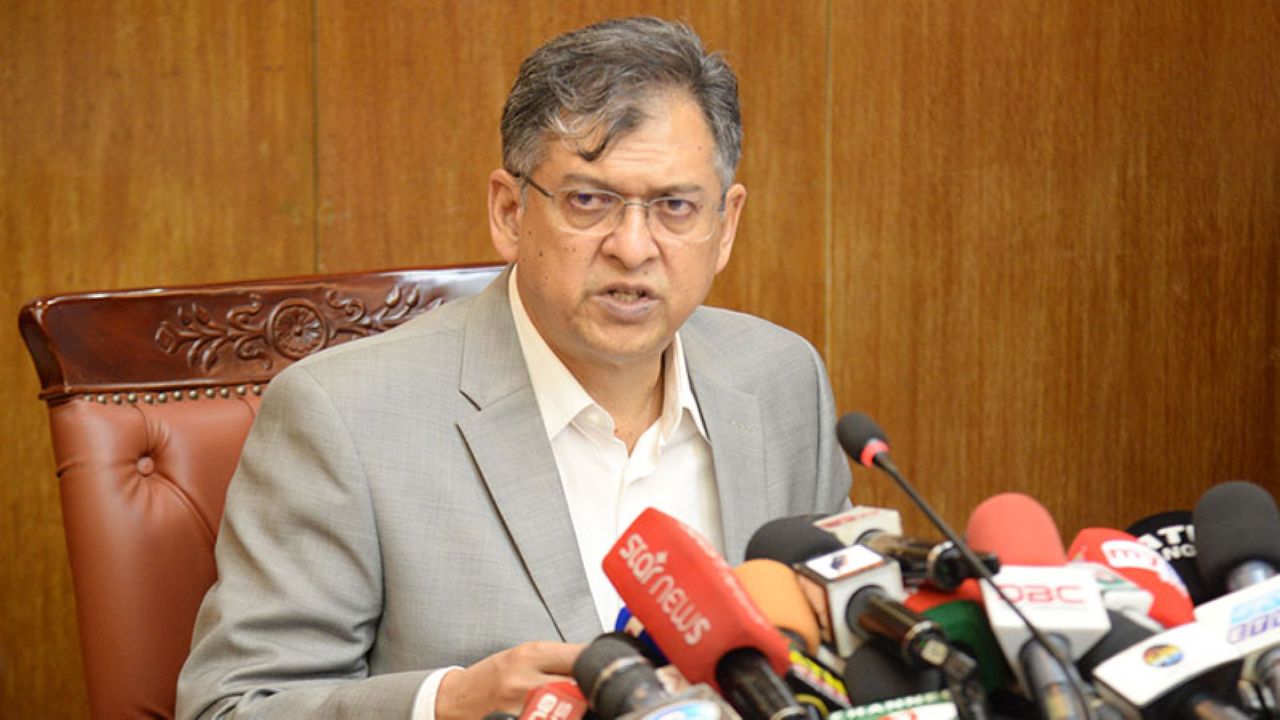
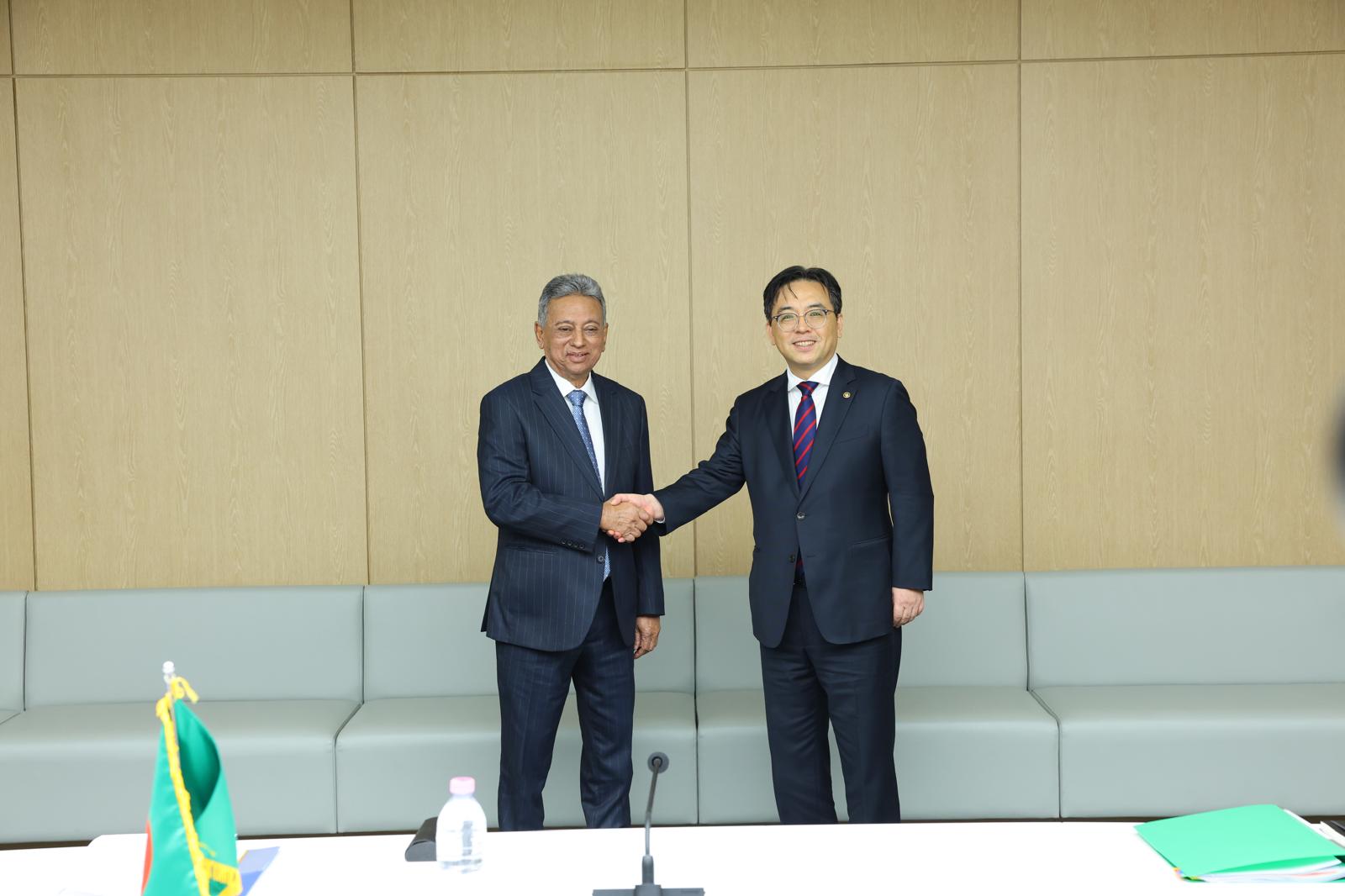
The decision came during a bilateral meeting in Seoul on Monday between Finance and Planning Minister Amir Khosru Mahmud Chowdhury and South Korean Trade Minister Jung-Soo Park, according to a press release issued by the Ministry of Planning on Tuesday.
As part of the initiative, the two countries will establish a joint public-private working group comprising government officials and business representatives. The body will identify priority areas for cooperation, investment opportunities, business climate reforms and avenues for greater private-sector participation, including through public-private partnerships (PPPs).
The meeting was attended by Prime Minister’s Adviser on Posts, Telecommunications and Information Technology Rehan Asif Asad, Prime Minister’s Special Assistant for Investment and Capital Markets Tanvir Shahriar Gani, ERD Secretary Mohammad Shahriar Kader Siddiqui, and senior officials from the ERD and Invest Bangladesh.
Amir Khosru said the completion of CEPA negotiations had opened the door to a broader and more dynamic economic relationship between the two countries.

He said Bangladesh was looking beyond its traditional cooperation with South Korea in the textile and garment sectors and sought to expand collaboration in electronics, semiconductors, shipbuilding, renewable energy, artificial intelligence, and digital and creative industries.
The minister also highlighted investment prospects in energy, pharmaceuticals, medical devices, agro-processing, logistics, advanced manufacturing and infrastructure.
During the meeting, he briefed the Korean side on measures taken to improve Bangladesh’s investment climate, including digitalisation of capital repatriation processes, duty reductions on raw materials for the electronics sector and efforts to streamline customs and port operations.


He also stressed the importance of expanding Government-to-Government (G2G) and PPP models to accelerate strategic infrastructure and energy projects.
Trade Minister Jung-Soo Park reaffirmed South Korea’s commitment to its long-standing partnership with Bangladesh and raised several issues identified by Korean companies operating in Bangladesh. The Korean side agreed to provide a consolidated list of concerns for consideration by the Bangladesh government.
Korean Firms Explore Investment Prospects
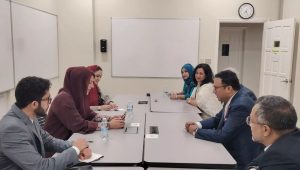
During the visit, the Bangladesh delegation held separate meetings with several leading South Korean companies to explore investment, technology transfer and business cooperation opportunities.
In a meeting with Hyundai Glovis President Lee Kyu-bok, discussions focused on logistics, port development and the automotive sector. Bangladesh highlighted opportunities in logistics hubs, ports, economic zones, free trade zones and smart supply-chain systems. Both sides agreed to establish working-level teams to explore potential cooperation.
Talks with Hanwha Ocean centred on shipbuilding, ship repair, dry-docking, maritime infrastructure and Floating Storage and Regasification Unit (FSRU) projects. The company proposed beginning with ship repair, maintenance and retrofitting before expanding into higher-value shipbuilding activities. Both sides agreed to continue technical consultations.

The delegation also met Samsung Electronics President Kim Woo-jun to discuss cooperation in electronics manufacturing, artificial intelligence, digital connectivity and skills development.
Amir Khosru invited Samsung to expand its operations in Bangladesh and introduce more technology-based solutions, while Kim expressed interest in exploring broader cooperation opportunities.
The minister said Bangladesh was eager to work closely with both the South Korean government and Korean businesses to translate post-CEPA opportunities into tangible economic gains.
He said the next phase of bilateral economic relations should focus on increasing trade and investment, promoting technology transfer, diversifying industries, creating quality jobs and strengthening Bangladesh’s integration into global value chains.
Such cooperation, he added, would create new opportunities for growth and prosperity for both countries.