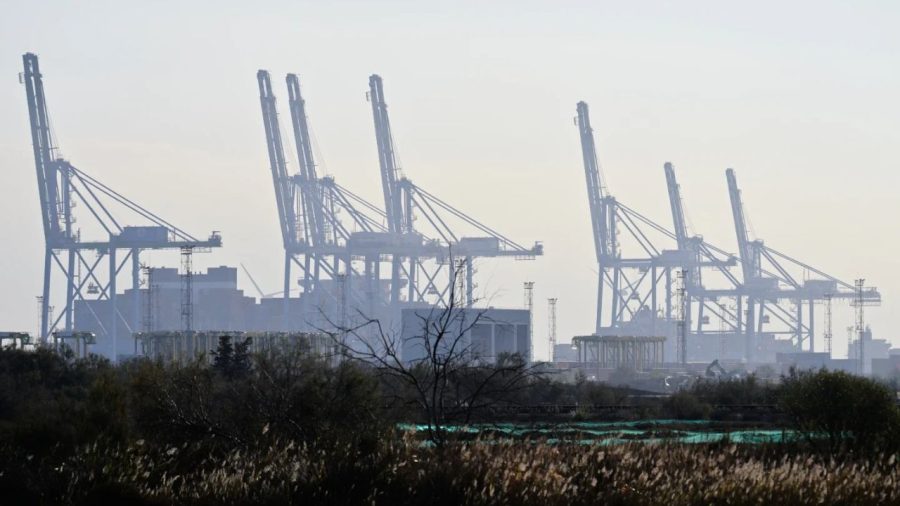



Dockworkers at 113 ports across 22 countries worldwide called a strike on Friday in protest against war and the transit of arms exports through maritime facilities.
Organisers claim that the industrial action could disrupt more than 40 per cent of cargo movement in Mediterranean region, threatening a trade stalemate for goods valued at over $2 billion, reports Reuters.
The protest was initially called by dockworkers’ unions in Italy, France, Greece, Spain’s Basque region, Turkey, and Morocco.
It was subsequently backed by more than 25 trade union organisations representing 113 ports globally, with widespread impacts anticipated across key maritime trading centres in Europe and beyond.
Widespread disruption across major maritime hubs
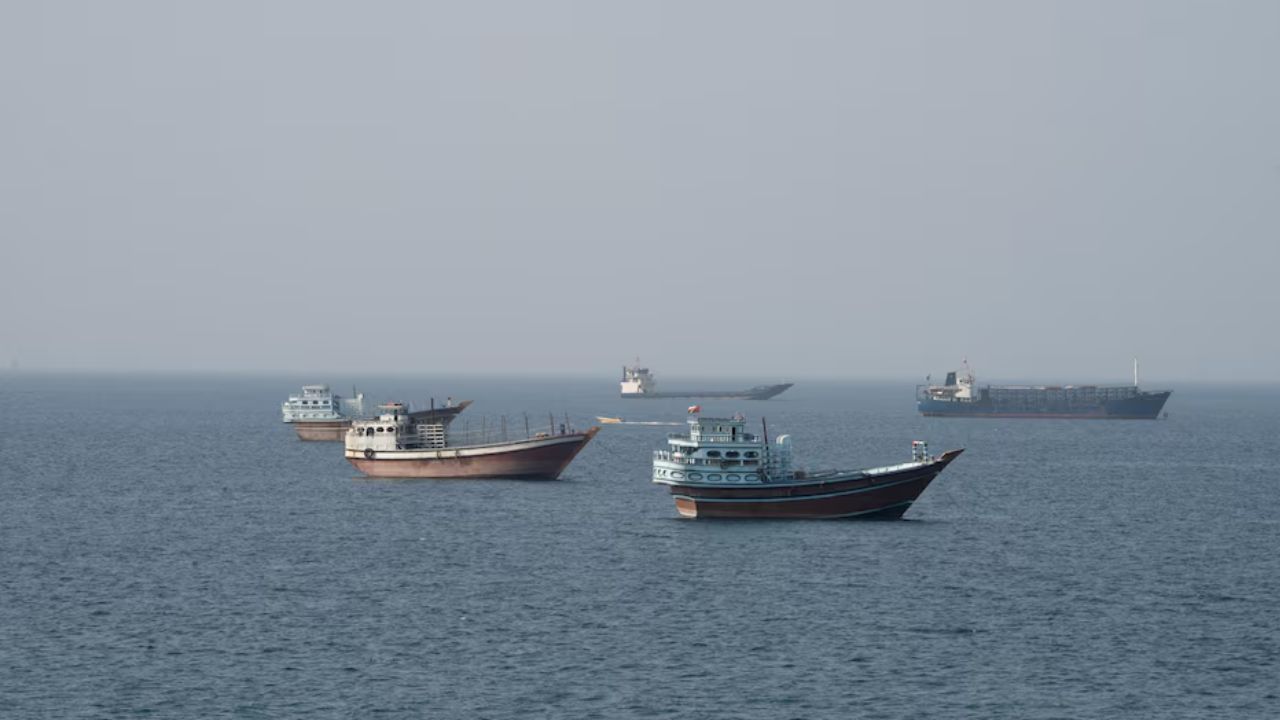
Prominent European ports covered by the strike include Hamburg in Germany, Valencia and Algeciras in Spain, Le Havre in France, Piraeus in Greece, and Genoa in Italy.

Beyond Europe, shipping operations are feared to be affected at Morocco’s Tangier Med port and India’s Nhava Sheva port, with organisers indicating that nearly a dozen ports in India could feel the impact.
India’s Water Transport Workers Federation of India (WTWFI) has officially extended its support to the strike.
Among the primary labour organisations joining the action are Germany’s ver.di, Ireland’s largest trade union SIPTU, Denmark’s 3F, and France’s CGT Ports et Docks.
However, the exact number of participating workers and the ultimate severity of cargo flow disruption remain unclear. A spokesperson for Italy’s Port of Genoa said the strike’s impact there might remain limited.




Conversely, Piraeus Port Authority in Greece warned of potential disruptions to island ferry services, which are set to halt as Greek dockworkers, engineers, and seafarers unions join the movement.
Dockworkers at Piraeus announced a work stoppage between 8am and 11am local time on Friday, alongside a 24-hour work stoppage by other Greek labour unions.
In a statement, Piraeus dockworkers declared: “We will send a message of peace from Piraeus and express solidarity with the people affected by war.”
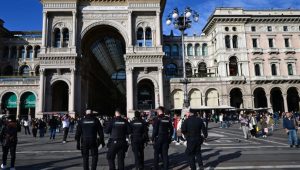
Meanwhile, in Italy, the grassroots trade union Unione Sindacale di Base (USB) called a nationwide 24-hour general strike on the same day, with demonstrations scheduled across more than 40 cities.
Solidarity and anti-war declaration
The pro-Palestinian campaign group Global Sumud Flotilla – which has repeatedly attempted naval missions to break Israel’s blockade on Gaza to deliver humanitarian aid – also voiced support for the strike, announcing “coordinated and strategic actions” on water.
Dockworkers have long campaigned against using European ports to transport weapons destined for active conflict zones.

In May 2026, dockworkers’ unions from over 35 European countries published the “Istanbul Declaration,” demanding that port infrastructure not be used to transport arms to war zones.
Italian ports, particularly Genoa, have played a leading role in this push, having previously staged blockades against shipments bound for Israel and US military bases.
According to data released this year by the Stockholm International Peace Research Institute (SIPRI), Europe became the world’s largest importer of arms between 2021 and 2025.
Announcing Friday’s action, the organising trade unions said at a press conference: “From aircraft to tanks, guns to bullets, explosives to ammunition, military uniforms to boots – in every respect, our ports have become hubs for supplying and dispatching goods for war and genocide.”
They demanded an immediate end to using port infrastructure for military transport.
As coordinated actions take place simultaneously across major global seaports, the broader consequences for international supply chains, shipping commerce, and import-export operations remain to be seen.