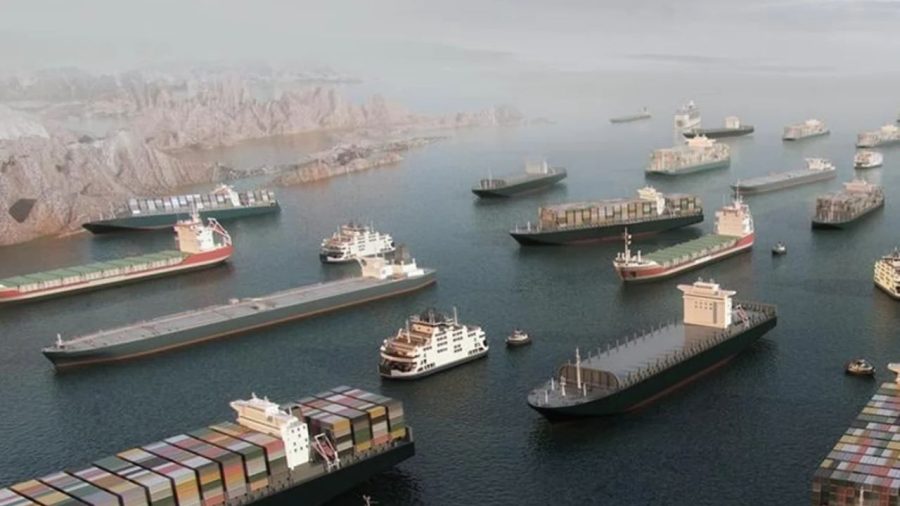



At least four oil tankers have caught fire after striking naval mines while attempting to navigate the Strait of Hormuz, Iran’s armed forces said on Thursday, a day after the US military announced that it had cleared key shipping routes through the strategic waterway.
In a statement, Iran’s Islamic Revolutionary Guards Corps (IRGC) said three oil tankers had exploded and caught fire within the previous 24 hours after hitting mines while attempting to use what it described as an unauthorised southern passage through the strait.
According to the IRGC, the vessels had switched off their radar and navigation systems and ignored warnings issued by its naval forces.
The Iranian statement did not specify the exact time of the incidents or identify the flags under which the tankers were sailing.
In a separate announcement later on Thursday, the Iranian army reported that another tanker had caught fire after striking a naval mine east of the Strait of Hormuz.

The vessel had been operating in what Tehran described as a restricted and dangerous zone. The impact damaged the tanker and left it unable to move, the army said in a statement broadcast by Iranian state television.
Meanwhile, the United Kingdom Maritime Trade Operations (UKMTO) agency said it had received a report of a vessel catching fire in the strait.
According to the agency, regional authorities identified the vessel as a dhow involved in a maritime security incident. A major fire broke out onboard, causing the vessel to list before eventually sinking.
All crew members were safely evacuated, UKMTO said.
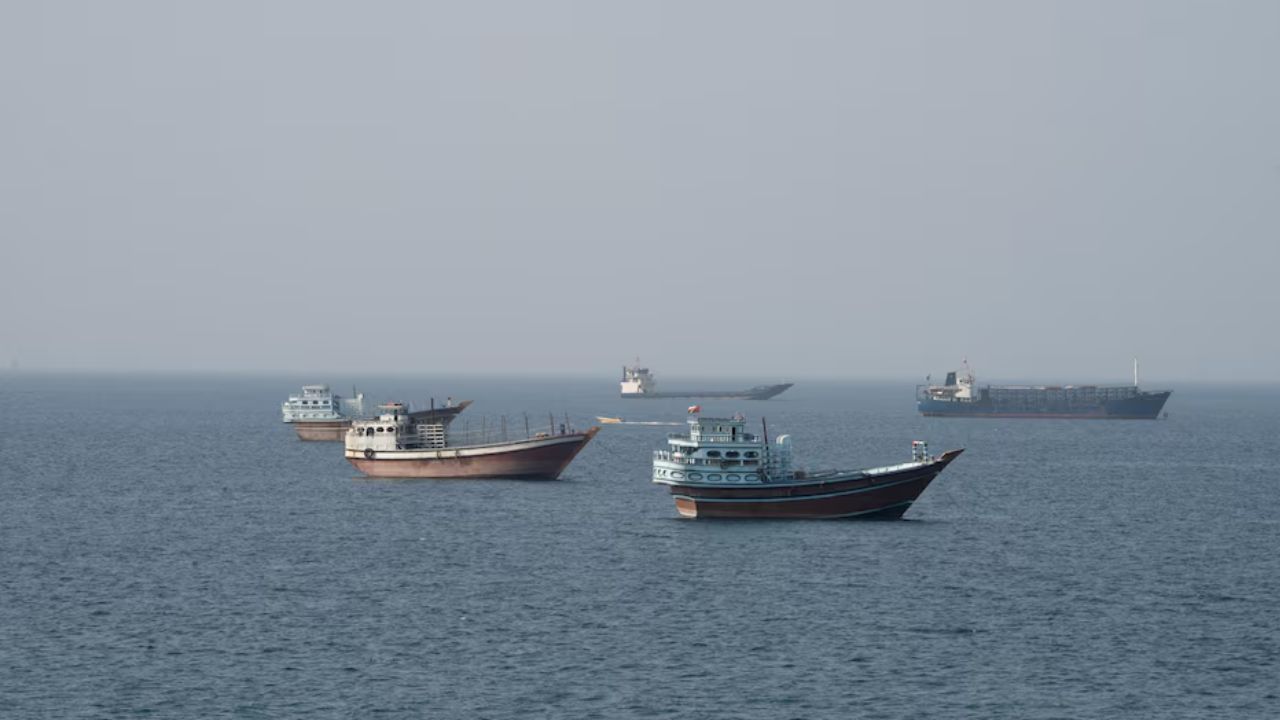



Iran has reported several incidents of vessels striking sea mines in recent weeks, raising concerns over maritime safety in the region.
The reports came after US Central Command (CENTCOM), which oversees American military operations in the region, reiterated on social media that mines had been cleared from key transit routes.
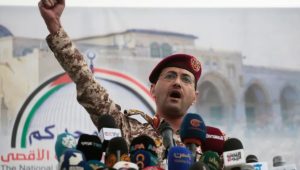
Challenging Washington’s assertion, IRGC spokesman Hossein Mohebi called on the United States to provide independent evidence of its mine-clearing operation.
“Prove your Hormuz mine-clearing claim with independent evidence, not statements!” he wrote in a post on X on Thursday.
The IRGC, in its latest statement, maintained that the southern shipping route through the Strait of Hormuz was mined. It warned shipowners and crews against using the passage and dismissed CENTCOM’s social media claims.
The Guards said vessel operators would bear responsibility for attempting to navigate the route despite the warnings.

Since the war broke out on 28 February, Iran has significantly restricted maritime traffic through the Strait of Hormuz, a vital international shipping corridor that normally handles around one-fifth of global oil consumption.
In response, the United States imposed a blockade on Iranian ports and assisted oil tankers navigating the strait.
On Sunday, CENTCOM said it had helped Gulf countries export 1.5 billion barrels of oil through the waterway since the summer.
Iran considers vessels using the southern corridor near the Omani coast to be travelling through an unauthorised route.
In a separate statement on Thursday, the IRGC also claimed that its naval forces had captured a US reconnaissance drone.
The Guards said its electronic warfare unit had seized an American MQM-170 drone during an offensive operation in the western part of the Strait of Hormuz.