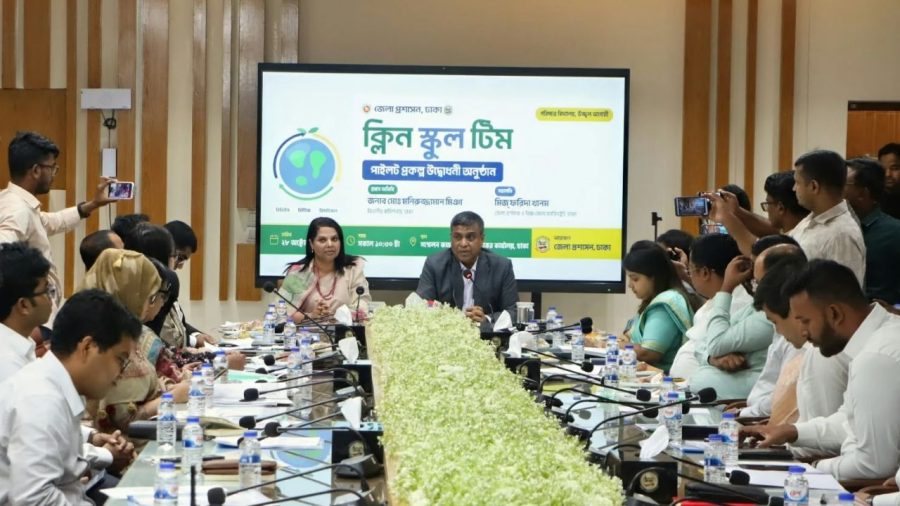



Dhaka Deputy Commissioner Farida Khanam has taken an initiative to introduce Japan’s ‘Osouji’ cleaning philosophy in schools to promote cleanliness, instil a sense of responsibility and dignity of labour among students, and raise awareness about dengue prevention.
The initiative will be implemented through the ‘Clean School Teams’ formed to prevent dengue, with 21 schools in Dhaka selected for the pilot programme, says press release.
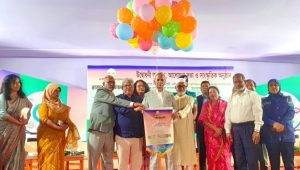
She disclosed the plan at the inauguration of the pilot project at the conference room of the Deputy Commissioner’s office at 11:00 am on Wednesday. Dhaka Divisional Commissioner Md Moniruzzaman Mia attended as the chief guest and inaugurated the initiative.
Under the programme, schools will conduct daily cleaning activities for 15–20 minutes, carry out weekly dengue risk inspections, introduce waste segregation and encourage students to practise cleanliness at home.

Farida Khanam said, “Cleanliness is not just about keeping schools clean; it is an important lesson in developing a sense of responsibility, dignity of labour and care for the environment among students. Clean schools today are the foundation for creating aware and responsible citizens of tomorrow.”
Programme Details
Daily Cleaning: Students will be divided into small groups and assigned to clean safe areas such as classrooms, corridors and libraries. Teachers will supervise, while designated staff will clean toilets, dirty drains and hazardous areas.



Dengue Surveillance: Schools will conduct weekly dengue risk inspections to identify places where water accumulates, keep water containers covered and eliminate Aedes mosquito breeding sites.
Cleanliness at Home: Under the ‘My Home, My Responsibility’ programme, students will receive weekly checklists covering tasks like keeping rooms tidy and preventing water from accumulating around their homes. Teachers will review these every Sunday.
Waste Segregation: Schools will introduce separate disposal systems for biodegradable, recyclable and other waste, and introduce students to composting.

Awards: Schools, classes and students will be assessed on cleanliness, dengue prevention, waste management and participation, with proposals to reward top performers with certificates, books, educational materials or saplings.
Md Moniruzzaman Mia said the Osouji model was not merely a cleaning programme but an effective initiative to develop discipline and a sense of responsibility among students. “If students develop the habit of keeping their own schools clean, it will also have a positive impact on their families and society,” he said.
The Dhaka district administration formed ‘Clean School Teams’ in all educational institutions in the capital on 8 July to develop cleanliness habits and prevent dengue. Following this, the administration spent nearly three months researching school activities and cleanliness initiatives in different countries to develop an implementation approach suited to Bangladesh.