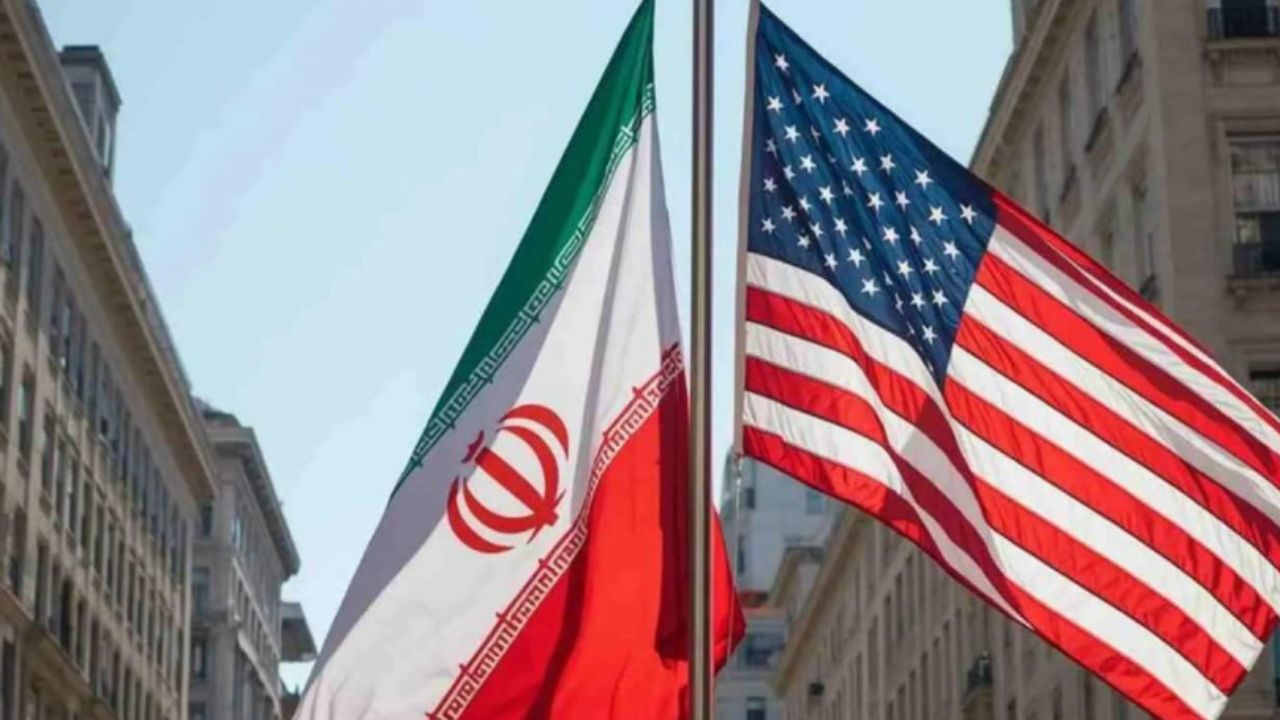



Iranian officials say the goal is to keep the regime in power and threaten enough regional costs to make a prolonged campaign unattractive. US media reports indicate that Trump is considering strikes after the midterms.
Officials in Tehran are preparing for renewed strikes following media reports that the United States and Israel have been examining new options for escalating their war against Iran.
The US midterm elections on 3 November and Israel’s 27 October election have injected a political factor into how both countries are approaching the conflict, which they launched in late February, reports DW.
Polls show that high energy prices brought on by the Iran war are hurting Donald Trump’s Republican Party.
On 8 October, the president posted on social media that the United States would not attack Iran before the midterms, citing “productive discussions” with Tehran. The United States last launched strikes on Iran in early September.
After the elections are over, however, Trump may feel less politically constrained.

Israeli Prime Minister Benjamin Netanyahu has campaigned on a platform of regime change in Iran.
Citing senior US officials, the New York Times reported on Wednesday that the United States and Israel have “developed specific plans” for a “short but intensive operation” in Iran that would include targets such as nuclear facilities, energy infrastructure, and the country’s arsenal of missiles and drones.
One official told the newspaper that the goal would be to force Iran into making “diplomatic concessions” by further weakening its economy, as negotiations to end the conflict have gone nowhere.
The United States has also maintained a blockade of Iranian oil exports in the Strait of Hormuz that has sapped Tehran’s oil revenues.


Other outlets have reported similar plans in recent weeks. In early October, Axios reported that the Pentagon has instructed US Central Command “to conclude preparations for resuming major combat operations in Iran.”
There are currently two US aircraft carrier strike groups in the Arabian Sea, with a third expected to arrive by late November.
On 15 October, Trump told the right-wing broadcaster Newsmax that he was considering a strike on Pickaxe Mountain, near the Natanz nuclear complex, where US officials say Iran may have moved sensitive nuclear-related material underground.
A day later, CNN reported that Trump is considering using a Massive Ordnance Air Blast bomb on Iranian targets.
As the MOAB creates a humungous blast wave above ground, its effectiveness in targeting underground facilities such as Pickaxe would be limited.
Iranian officials say they are prepared for another attack, with a broad response that would include strikes on US bases and energy facilities in the Gulf.
Ali Asghar Shafieian, a media adviser to Iranian President Masoud Pezeshkian, told DW that, although the United States retains a significant technological and military advantage, Tehran’s strategy is based on preserving the regime’s hold on the country rather than matching US strength.
“The United States has the upper hand in military power and technology, but Iran’s strength is in how it deals with a crisis,” Shafieian said.
Shafieian pointed to the rapid replacement of senior officials killed in previous attacks as an example of how Tehran has tried to make its political structure more resilient.
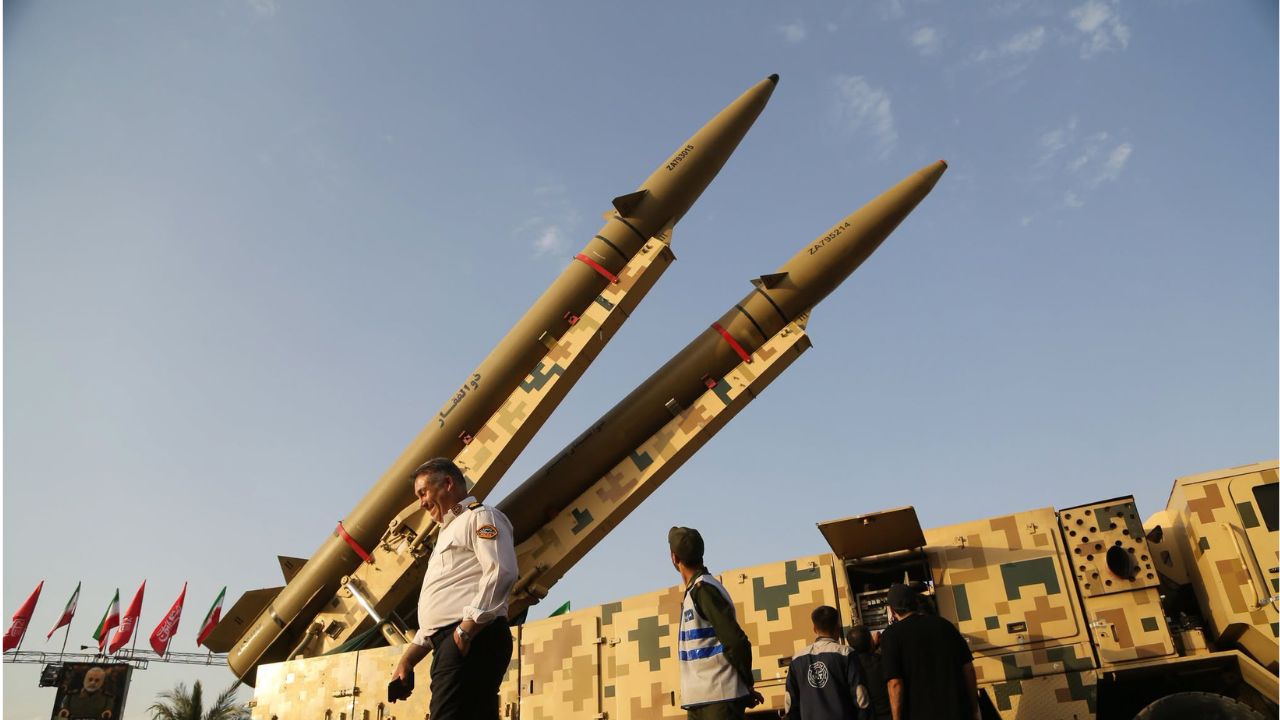
Iran has also been rebuilding missile and drone capabilities that were hit during the massive wave of strikes during the first weeks of the war.
Citing Iranian officials, the Reuters news agency reported this week that Iran is “preparing for renewed Israeli and US attacks, not for a deal with America to end the war,” adding that Tehran was prolonging negotiations to try to weaken Trump ahead of the midterms.
Iran has told regional governments that US military bases and critical infrastructure could become targets if neighbouring countries assist another US or Israeli operation.
Iranian Foreign Minister Abbas Araghchi has warned that participation or cooperation by regional states would result in a “decisive and proportionate response.”
“Iran is prepared to give diplomacy another chance if we see strong evidence of a sincere desire by US to build trust and reach a just solution,” Araghchi posted on X Wednesday.
“But, if US chooses war over diplomacy, it’ll certainly result in an even greater strategic failure.”