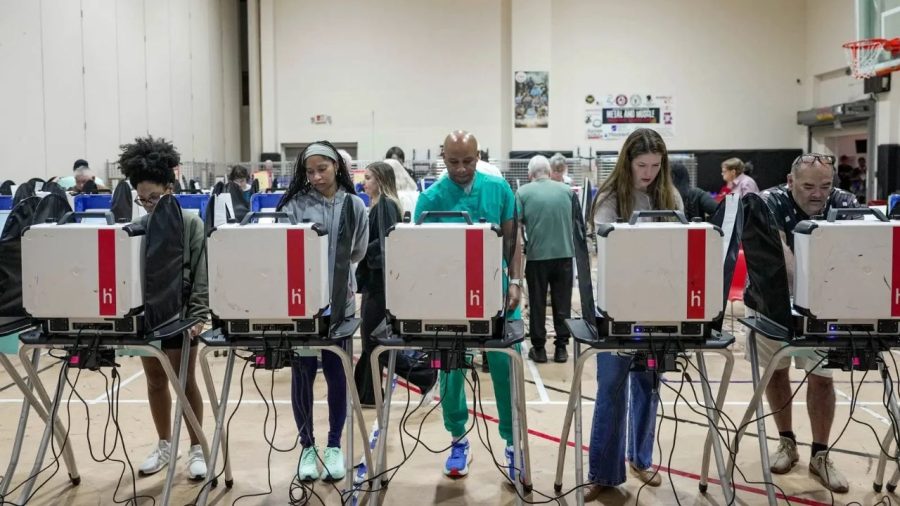



Americans vote on 3 November in midterm elections that will decide which party controls Congress for the final two years of President Donald Trump’s term. Democrats need a net gain of four seats in both the House of Representatives and the Senate to overturn Republicans’ narrow majorities of 218-214 and 53-47.
Democrats are widely expected to take the House, but the Senate is too close to call. With Trump’s approval rating at the lowest of his presidency and polls favouring Democrats, power in Washington could shift. Yet even if Democrats win one or both chambers, Trump would keep his veto and broad executive authority, limiting their ability to enact major legislation, reports Reuters.
Analysts, strategists and economists interviewed by Reuters expect fights over the debt ceiling and government funding in 2027 whatever the result, and two economists predicted a turbulent year for markets and investors. Election officials have also warned of ways the Trump administration could interfere with the vote.

Democrats win the House only
A Democratic majority of five to 20 seats would hand the party House committees, subpoena power and the ability to investigate Trump and his administration. Administration officials targeted by subpoenas could defy them, since a Trump-loyal Justice Department is unlikely to enforce them. Trump would keep his veto and broad authority over tariffs, immigration and foreign policy, while Senate Republicans would block most Democratic priorities.

Democrats could still pass symbolic ‘messaging’ bills on healthcare, abortion rights, housing and AI data centres, but few if any would become law. Debt ceiling fights, budget battles and shutdown threats loom in 2027. Democrats can investigate but not substantially reshape policy, and analysts expect a debt limit showdown by summer that could rattle markets and unsettle investors. Trump, who has largely bypassed Congress over the past two years, is likely to keep advancing his agenda through executive orders.
A margin of 20 to 40 seats would give Democratic leaders more room to absorb defections. A larger freshman class, including more progressives, could increase calls for Trump’s impeachment, while some Republicans may be more willing to break with him on unpopular issues such as tariffs and the Iran war. A bigger majority would also strengthen Democrats’ hand in budget and debt ceiling talks, making concessions easier to win. Democrats could pass bills on healthcare, abortion rights and living costs and force difficult votes on Senate Republicans, but major breakthroughs remain unlikely.





House win, Senate split 50-50
Republicans would keep the Senate because Vice President JD Vance can break tied votes. A handful of senators willing to break with their party, including Pennsylvania Democrat John Fetterman and some moderate Republicans, could become kingmakers, making debt ceiling and budget battles more unpredictable because neither party can afford defections. Washington might be gridlocked, with swing senators deciding fiscal, judicial and political battles, though Trump should still win confirmation of nominees through Vance’s tie-breaking vote while his tariff, immigration and foreign policies remain largely unchecked.

Democrats win both chambers
Senate control may carry greater consequences than the House alone, because the chamber decides judicial confirmations, cabinet appointments and ambassadorial nominations.
A two-seat Democratic majority would hand the party control of Senate committees and the agenda. Democrats would likely block many of Trump’s judicial nominees and could try to delay filling any Supreme Court vacancy until after the 2028 presidential election, while Republicans would likely rush through confirmations before the new Congress is seated in January. Trump keeps his veto and executive authority, and most bills need 60 votes to overcome a filibuster, which lets the minority party block or delay legislation. Holding both chambers would add bargaining power in debt ceiling and budget talks, though standoff risks remain significant.
With four to six seats, Democratic leaders would be less hostage to individual senators and could afford some defections. Democrats would be likelier to pass bills on tariffs, data centres, healthcare, living costs and presidential war powers and force Trump to veto them, helping frame the 2028 campaign, while judicial confirmations largely grind to a halt. Yet voters would likely look to Democrats to address economic concerns, not just oppose Trump, handing him a political foil who can share the blame and pin high prices on Democrats.
With eight seats or more, Democrats could claim a clear mandate, arguing voters rebuked Trump’s handling of the first half of his second term, and negotiate funding and debt ceiling deals from their strongest position. They would still lack the votes to overcome filibusters, override vetoes or convict Trump if House Democrats impeach him, leaving governing constrained by his veto, the filibuster and shared economic responsibility.

Republicans keep both chambers
Republicans keeping both chambers is unlikely, given the number of vulnerable House Republicans defending seats, but possible. They would claim a fresh mandate for Trump’s final two years, and an emboldened president would face few congressional constraints while advancing judicial nominees and other appointments. The risk of major budget, shutdown and debt ceiling confrontations would fall.