


The mere mention of Sundarbans evokes a thrilling sensation. As the world’s largest mangrove forest, it undergoes a breathtaking transformation, altering its appearance at least six times throughout the day and night.
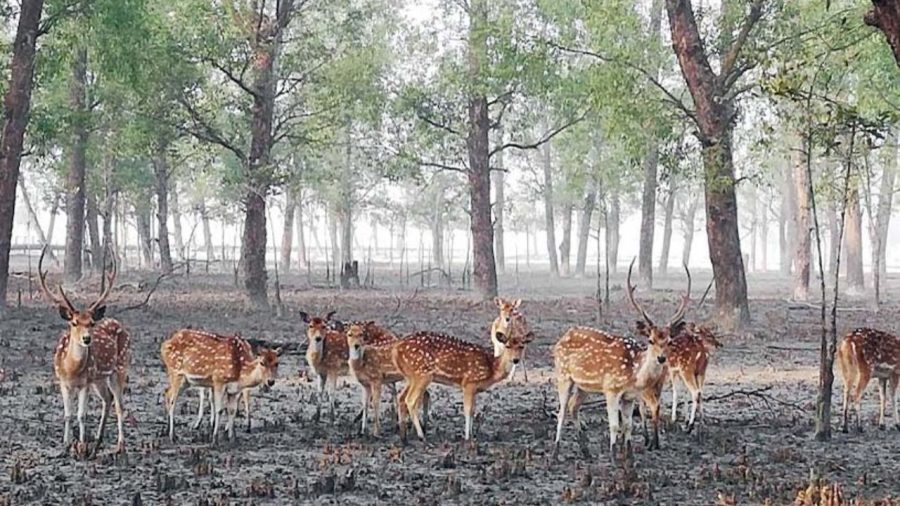
The rhythm of tides flowing through a labyrinth of rivers and canals, rows of Sundari and Keora trees, spotted deer grazing on river shores, monkeys swinging freely across branches, the calls of wild fowls, and the chirping of birds form a living symphony.
Above all, the imposing presence of the Royal Bengal Tiger and lazy crocodiles resting on riverbanks offer a sight found nowhere else on earth.
Around this unique harmony between biodiversity and the sea, an immense tourism potential has unfolded, retaining the undiminished fascination of nature lovers despite persistent crises and limitations.
A living tapestry of wild wonders
Unlike conventional holiday destinations, visitors do not journey to the Sundarbans to view man-made structures.
They come to immerse themselves in an ever-shifting environment where dense green foliage, river currents, and wildlife create a raw, captivating experience – complete with the tantalising hope of glimpsing a tiger swimming across a river or peering through the trees.
The primary magnet for travel enthusiasts lies within Sharankhola and Chandpai ranges under East Sundarbans Division.

In Sharankhola Range, Katka stands out with its expansive Jamtala sea beach, where visitors can watch both sunrise and sunset from the same shore.
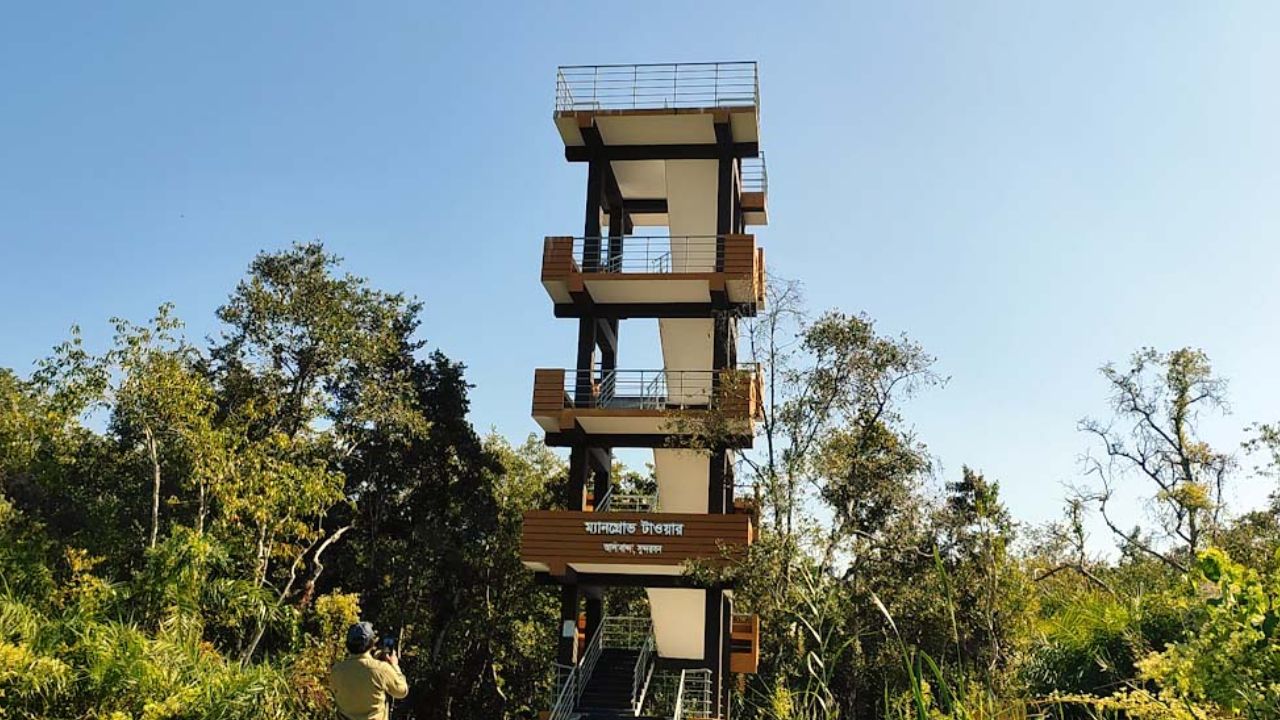
A walk along its foot-trails reveals curious spotted deer and monkeys, while lazy crocodiles and scurrying wild boars line the Katka River banks. Climbing the Jamtala watchtower gives travellers a sweeping panoramic view, making the vast forest feel as though it lies within arm’s reach.
Further along, the untamed wilderness of Kachikhali, the thrill of Tiger Point, the horizon-spanning catkin fields on Dimer Char’s sandy banks, and the distinct coastal life of fishermen at Dubla Char and Alorkol offer unique appeal.
Meanwhile, Chandpai Range houses the renowned Karamjal Wildlife Breeding and Ecotourism Centre, Andharmanik, and Harbaria Ecotourism Centre.




To protect this fragile sanctuary, the Forest Department enforces strict guidance during the tourism season on movement, waste disposal, and tourist conduct to prevent disturbance to wildlife.
Backed by security patrols from the Forest Department, Coast Guard, and law enforcement agencies, the forest welcomes an average of two lakh domestic and foreign visitors annually.
Last year, during the nine-month season from 1 September to 30 June, turnout exceeded 2.5 lakh, with officials anticipating even higher numbers this year provided major natural disasters do not intervene.
Easier journeys and ecotourism dreams
The opening of Padma Bridge has introduced a new dynamic to Sundarbans tourism.
According to tour operators, road travel time from Dhaka to Mongla or Sharankhola has been slashed by roughly three hours – from 7-8 hours down to just 5-5.5 hours – making trips far more accessible while saving both time and money.
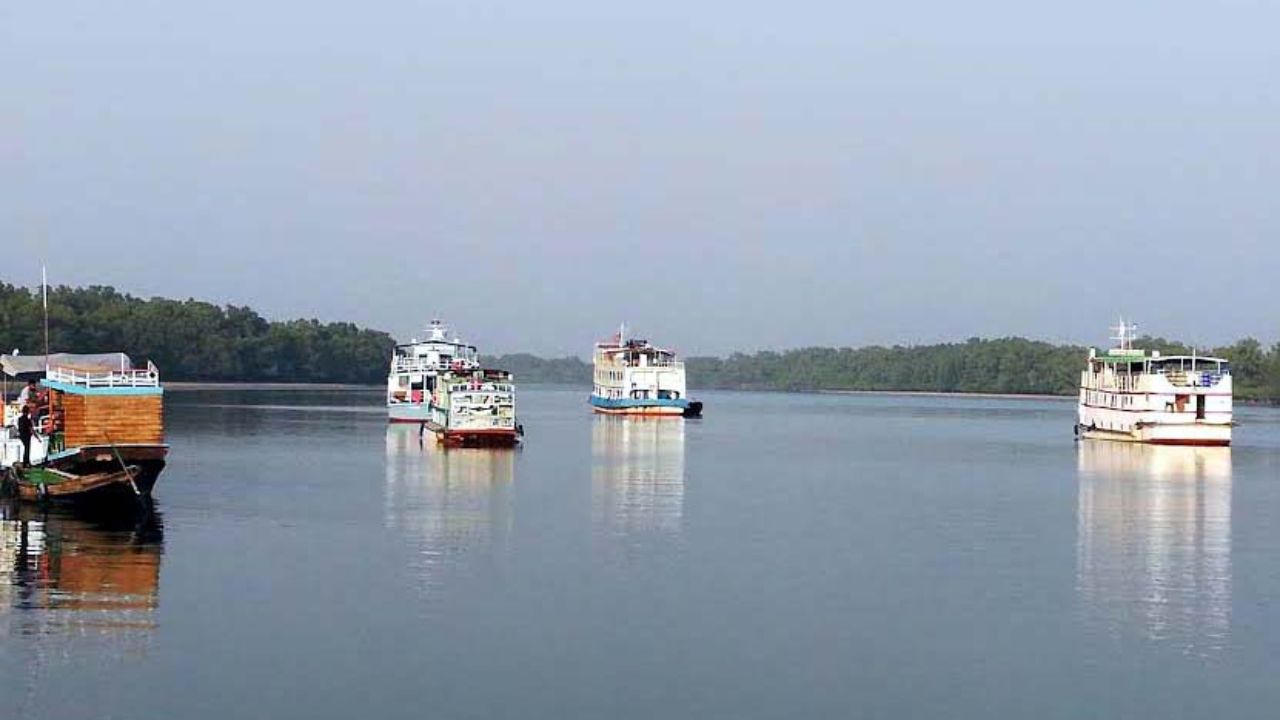
This growing footfall directly uplifts coastal communities. Sundarbans-centric tourism creates crucial employment opportunities across transport, watercraft operations, catering, guiding, accommodation, local goods, and handicrafts.
Local youth, when trained as guides, boat captains, photographers, and cultural presenters, have the potential to further energise the local economy.
In tandem with local development, multiple ecotourism hubs have been established to preserve biodiversity. Notable among them is the Alibanda Ecotourism Centre in Sharankhola Range, located just six kilometres from human settlements in Bagerhat upazila.
The site features a watchtower, a foot-trail through dense Sundari forest, a deer enclosure- currently housing five released deer – and a crocodile pond where reptiles are yet to be released.
A silent threat and unresolved hurdles
Despite these bright prospects, significant obstacles threaten the forest’s sustainable growth. A primary grievance among visitors at the newly opened Alibanda Centre concerns high entry costs.
Revenue charges stand at nearly Tk400 per person per day – almost seven times higher than the Tk45 entry fee at Karamjal in Chandpai Range.

Tourists note that paying such steep charges deters them from making repeat visits, though the Forest Department confirms that no decision has yet been reached regarding fee reductions.
Compounding administrative hurdles is a severe environmental threat: plastic and non-biodegradable waste. Nearly 90 percent of the scattered plastic found around tourist spots originates from nearby human settlements, washing into the forest on river tides.
Md Nur Alam Sheikh, chief coordinator of the environmental group “Sundarban Rokkhay Amra,” warned that uncontrolled plastic pollution poses a dire hazard to biodiversity, aquatic life, wildlife, and flora, urging local authorities, market committees, and representatives to institute a coordinated waste management system.
Reinforcing these concerns, Md Rezaul Karim Chowdhury, divisional forest officer (DFO) of Sundarbans East Division, described floating plastic waste as a “silent killer.”
Despite regular cleanup drives by forest staff and conscious volunteer groups like TOAS, refuse continually drifts in from rivers and the bay.
The DFO also highlighted that acute shortages of manpower and high-speed watercraft severely hamper forest crime control and place an immense strain on ensuring comprehensive security for visiting tourists.