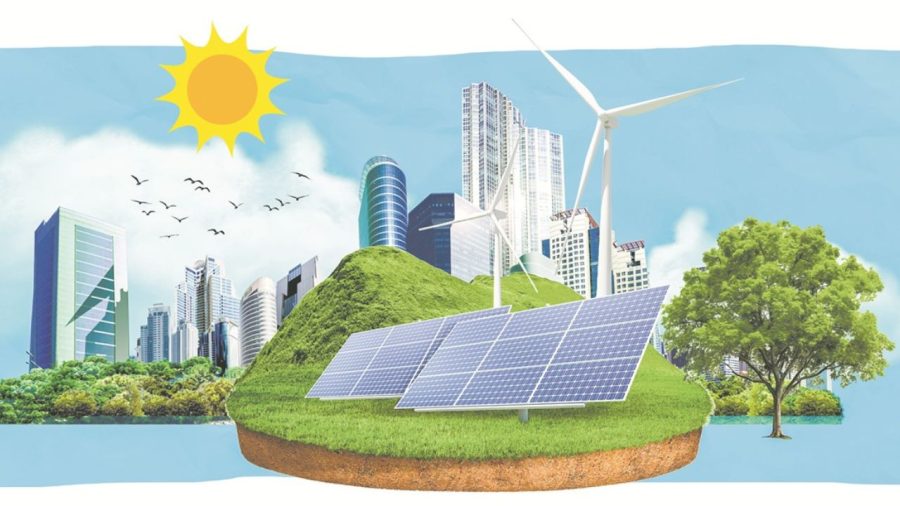

The government’s recent decision to reduce import duties on all solar equipment to 1 per cent marks a significant turning point for the country’s renewable energy journey.
The move has the potential to bring solar power within reach of millions of households and small businesses that have so far remained outside the clean energy transition because of high upfront costs.
However, a successful solar revolution will depend not only on reducing prices but also on creating a stable policy environment that allows the market to grow.
A six-month duty benefit may generate interest, but it may not provide enough time for the industry to build the supply chain, financing structure and consumer confidence required to achieve the government’s ambitious target of 2,000MW from household solar.
For years, the biggest challenge facing residential solar adoption in Bangladesh has been affordability.
While large-scale independent solar power projects and industrial rooftop installations have benefited from 1 per cent duty, small systems used by households and small commercial establishments remained expensive because of a much higher duty burden.
The total tax incidence (TTI) for engineering, procurement and construction (EPC) projects was reduced to around 17 per cent earlier this fiscal year. But commercial importers supplying smaller systems to households continued to face a TTI of more than 50 per cent.
This created a major barrier for ordinary consumers. A family interested in installing solar panels had to make a substantial investment before seeing any long-term savings on electricity bills.

The expected gazette notification reducing the TTI to 1 per cent for all categories can fundamentally change this equation.
Based on current market estimates, the price of small solar systems could decline by around one-third. A rooftop solar package that currently reaches consumers at around Tk1,50,000 to Tk1,60,000 after import, transportation and other costs could potentially fall to around Tk1,15,000 to Tk1,20,000.
This reduction could transform solar from a specialised investment for wealthier households into a realistic option for a broader section of consumers.
However, lower prices alone will not automatically create a mass market. Solar adoption depends on several connected factors — availability of quality equipment, trained installers, consumer awareness and affordable financing.
The government has recognised the importance of maintaining quality standards while opening the market. The duty benefit comes with conditions for monitoring imports through the Sustainable and Renewable Energy Development Authority and the Bangladesh Sustainable and Renewable Energy Association.




This oversight is essential. A rapid expansion of the market without quality control could allow substandard equipment to enter the country, damaging consumer confidence and slowing long-term adoption.
Financing will be another decisive factor. For most households, the challenge is not only the final price but also the ability to pay the initial cost. The Infrastructure Development Company Limited (IDCOL) is preparing low-cost financing programmes for small solar installations, which could help overcome this barrier.
Under such schemes, households can install suitable solar systems and repay through monthly instalments close to their existing electricity payments. Instead of paying only for electricity consumption, consumers can gradually pay for their own power generation capacity against a cheap loan.
This approach can significantly accelerate adoption, especially among middle-income households.
Yet, the industry needs more time to respond effectively to the new policy.
A solar supply chain does not operate instantly. An importer or supplier needs time to arrange financing, place orders with manufacturers, wait for production, ship products, complete customs procedures, transport equipment to warehouses and distribute it across different parts of the country.
Even after equipment arrives, installation requires technical teams, approvals and coordination with relevant authorities.
A complete business cycle can take several months. In many cases, a single import-to-installation cycle may require around four months.
This means that a six-month duty reduction period may allow only one or two major cycles of imports and installations. Such a limited period may create initial demand but may not be enough to establish a sustainable household solar ecosystem.
The government’s objective is not simply to create a temporary surge in sales. The broader goal is to reduce pressure on the national grid, diversify energy sources and increase renewable energy capacity.
For that reason, policy continuity matters.
A longer duty benefit period would give businesses the confidence to invest in supply chains, training and distribution networks. It would also allow consumers who are interested in solar but need more time to make investment decisions to participate.
A sudden return to higher duties after six months could create uncertainty for both businesses and customers. Companies may hesitate to expand operations, while consumers may delay decisions fearing future price changes.
The household solar market in Bangladesh is still at an early stage. Most of the country’s solar growth has come from industrial users, where larger companies have the financial capacity to invest in rooftop systems. Residential adoption remains limited, partly because of cost barriers and partly because the supporting ecosystem is still developing.
The duty reduction provides the opportunity to change that.
Bangladesh’s energy future cannot depend only on large power plants and centralised generation. Millions of rooftops across cities, towns and villages can become small power stations if the right incentives and support systems are available.
The government has taken an important first step by removing one of the biggest financial barriers to solar adoption. The next challenge is ensuring that the market has enough time to mature.
The government has also offered a tariff of Tk10.5 per unit to buy surplus solar power under the net metering arrangement. This tariff needs to be extended beyond the announced period of three years.
Certainty over the tariff for a longer period would encourage more solar investments across society.
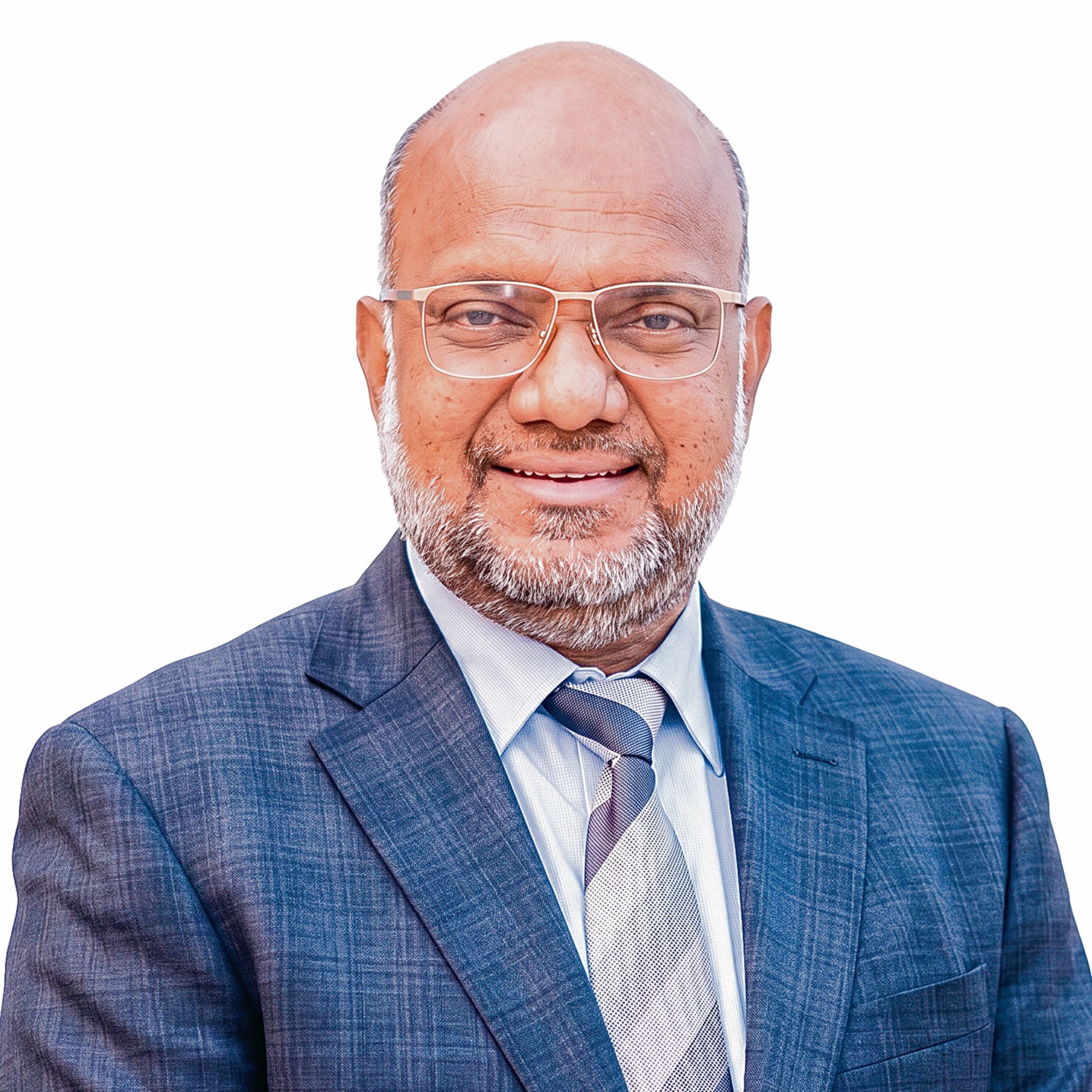
Author is the President of Bangladesh Sustainable and Renewable Energy Association. The views expressed in the article are solely those of the author.