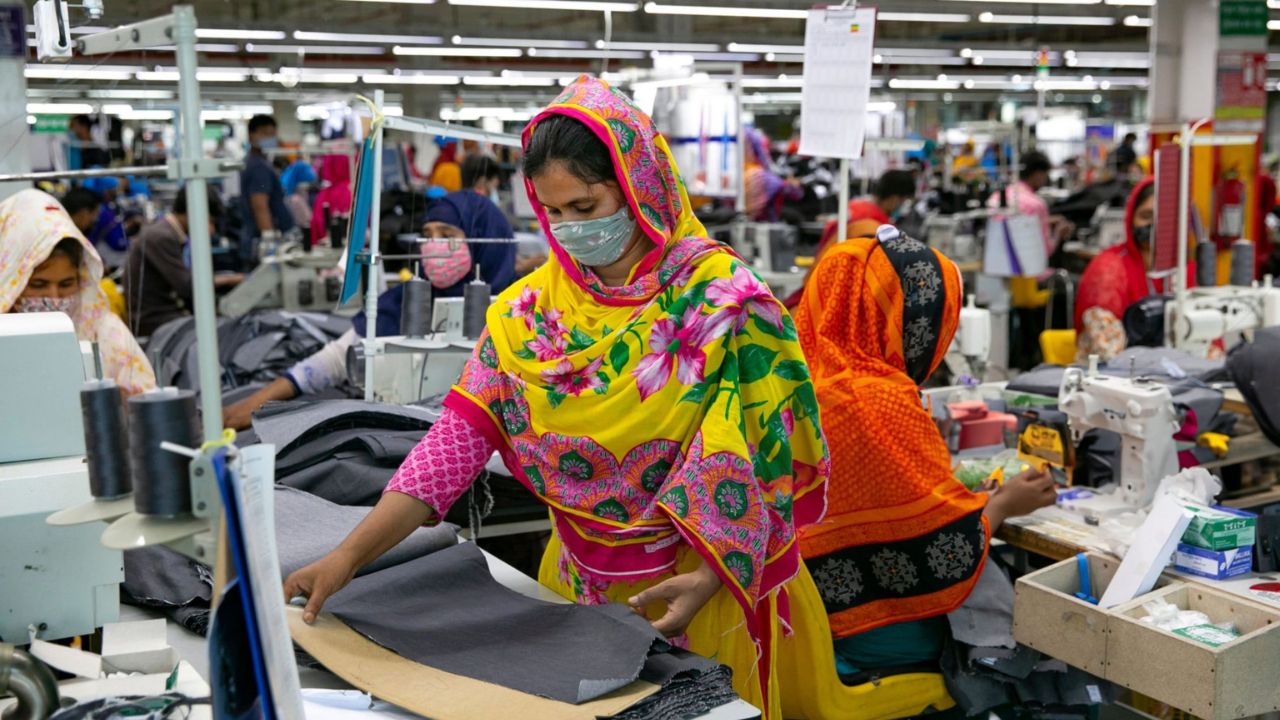

More than 400 ready-made garment (RMG) factories have shut down across the country over the last three years, Commerce Minister Khandakar Abdul Muktadir informed Parliament on Thursday.
Replying to a query from Member of Parliament Md Ruhul Amin during a Q&A session, the minister stated that a total of 405 factories closed down between July 2023 and June 2026. The parliamentary session was presided over by Speaker Hafiz Uddin Ahmed Bir Bikram.
The shut units include 282 factories registered under the Bangladesh Garment Manufacturers and Exporters Association (BGMEA) and 123 under the Bangladesh Knitwear Manufacturers and Exporters Association (BKMEA).
Muktadir noted that the process of compiling the complete list of names of these closed factories is currently ongoing.
Global and domestic headwinds
Explaining the reasons behind the closures, the minister pointed to the adverse impacts of the global Covid-19 pandemic, the Russia-Ukraine war, the Middle East conflict between Israel and Palestine, tensions surrounding a United States-Iran war situation and the international economic recession.

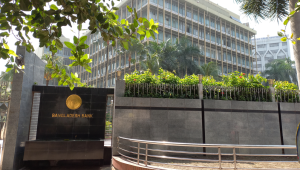
He added that domestic factors also played a critical role, citing political instability, a liquidity crisis in the banking sector caused by money laundering, free trade agreements signed by India and Vietnam with Europe, and a drop in export orders for small and medium-sized enterprises (SMEs).
Foreign buyers, he noted, are increasingly reluctant to place orders with SMEs to simplify their own operations, leaving smaller organisations lagging behind in market competition.




To sustain the RMG sector and maintain Bangladesh’s position in the global market, the government has implemented several incentive packages.
These measures include providing a 1.50 per cent alternative cash assistance instead of customs bonds and duty drawbacks for the export-oriented domestic textile sector, alongside an additional 0.50 per cent special assistance for exporters to the Eurozone.
Moreover, the government has allocated an extra 3 per cent benefit for small and medium garment industries, as well as a 0.30 per cent incentive provided to the RMG sector as special cash assistance.
Coordinated market oversight
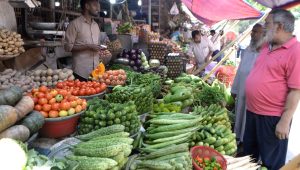
During the same parliamentary session, the commerce minister told the House that integrated nationwide market monitoring and oversight are currently underway to keep the prices of essential commodities within the purchasing power of low and middle-income people.
He made these remarks in a written response to Md Abu Wahab Akand Wahid, MP for Mymensingh-4, who asked about plans to keep commodity prices tolerable. The minister added that regular countrywide drives are also being conducted to halt the marketing of fake, adulterated and substandard products.
Under the co-ordination of the Ministry of Commerce, the Directorate of National Consumers Right Protection (DNCRP), Bangladesh Standards and Testing Institution (BSTI), district administrations and law enforcement agencies are regularly conducting market monitoring and mobile court operations.
The ministry regularly reviews reports from the DNCRP regarding adulteration prevention, the suppression of dishonest business practices and monitoring activities.
If any allegations of price manipulation or dishonest practices arise, necessary legal actions are executed in co-ordination with local administrations and district and sub-district (upazila) level committees.
The minister also informed Parliament that fines and legal actions are being taken under existing laws against various irregularities, including overpricing, hoarding, creating artificial crises and failing to display price lists.
To ensure healthy market competition, the Bangladesh Competition Commission is taking necessary actions against syndicates, cartels and collusive activities. He affirmed that these monitoring and enforcement efforts would be further strengthened in the public interest to protect consumer rights and stabilise commodity prices.