Professor Muhammad Yunus assumed power on 8 August 2024, amid overwhelming public expectations.
Sheikh Hasina had fallen and fled the country, the state was reeling from chaos, and mobs were roaming the streets.
Millions looked on the Nobel laureate as a man capable of restoring order, rebuilding institutions and delivering the change promised by the July uprising.
However, 18 months later, Yunus left behind a far more complicated legacy: an election that ended political uncertainty, but also a government chastised for failing to contain mob violence, protect minorities, uphold press freedom and keep its reform agenda on course.
His tenure highlighted a fundamental question: did a government that promised to restore order ultimately allow disorder to become the norm?
The first and most urgent task of his administration was to restore law and order and rein in mobs, arson and vandalism.
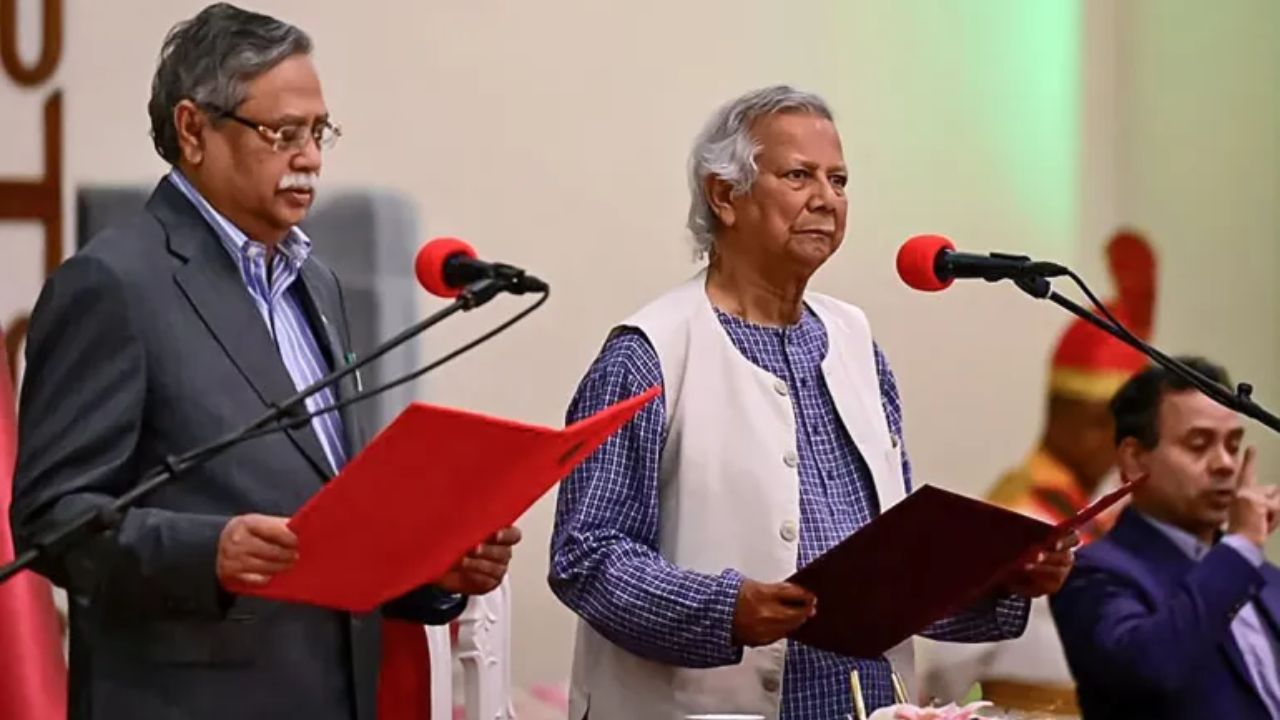
In his first speech at Hazrat Shahjalal International Airport that day, Yunus said, “Restoring law and order situation is our first job. We can take further steps until law and order situation returns to normalcy.”
He acknowledged that minorities were under attack and offices and establishments were being vandalised, promising to protect everyone.
He also urged citizens to trust him, saying, “If you have faith in me and trust me, then ensure that no one will be attacked anywhere in the country.” He called this his “first responsibility.”

Unfortunately, mob violence continued across the country throughout his tenure, gradually becoming a social culture. More troubling was the government’s apparent reluctance to confront the mobs.
When mobs vandalised the offices of news outlets — Prothom Alo and The Daily Star — on 18 December, the interim government remained largely passive. Despite appeals from editors, no effective action was taken to protect the media outlets.
The same pattern was seen in attacks on shrines, minority communities and political opponents. The biggest failure of Yunus’s tenure was arguably his inability or unwillingness to prevent mobs from dictating events.
After major attacks, including those on the two newspapers, Yunus often issued statements condemning the violence.
But issuing statements after failing to prevent attacks increasingly appeared hollow and exposed a troubling disconnect between rhetoric and action.
People of Bangladesh expected more from a man globally associated with peace building. They expected him to establish peace and order at home, as he had promised. Instead, frustration over the country’s deteriorating law-and-order situation grew steadily.


Yunus also faced questions over whether he remained above personal and institutional interests while heading the government.
Several Grameen-affiliated organisations, businesses and initiatives founded or associated with him received approvals or government facilities during his tenure.
These included approval for a private university, a digital wallet service and a manpower-export licence, the restoration of Grameen Bank’s tax exemption for five years, and a reduction in the government’s stake in the bank from 25 percent to 10 percent
These decisions raised questions about conflicts of interest.
Questions also arose after labour-law and money-laundering cases filed against Yunus and his associates were dismissed soon after he assumed office, before the proceedings were completed.
Another controversial decision came near the end of his tenure, when Yunus was granted VVIP status for one year and protection from the Special Security Force (SSF).
Questions may arise in the future over whether such privileges granted to Yunus, a globally acclaimed figure for his microcredit work, should be scrutinised in the same way as allegations of corruption against political leaders who benefited from state facilities while in office.
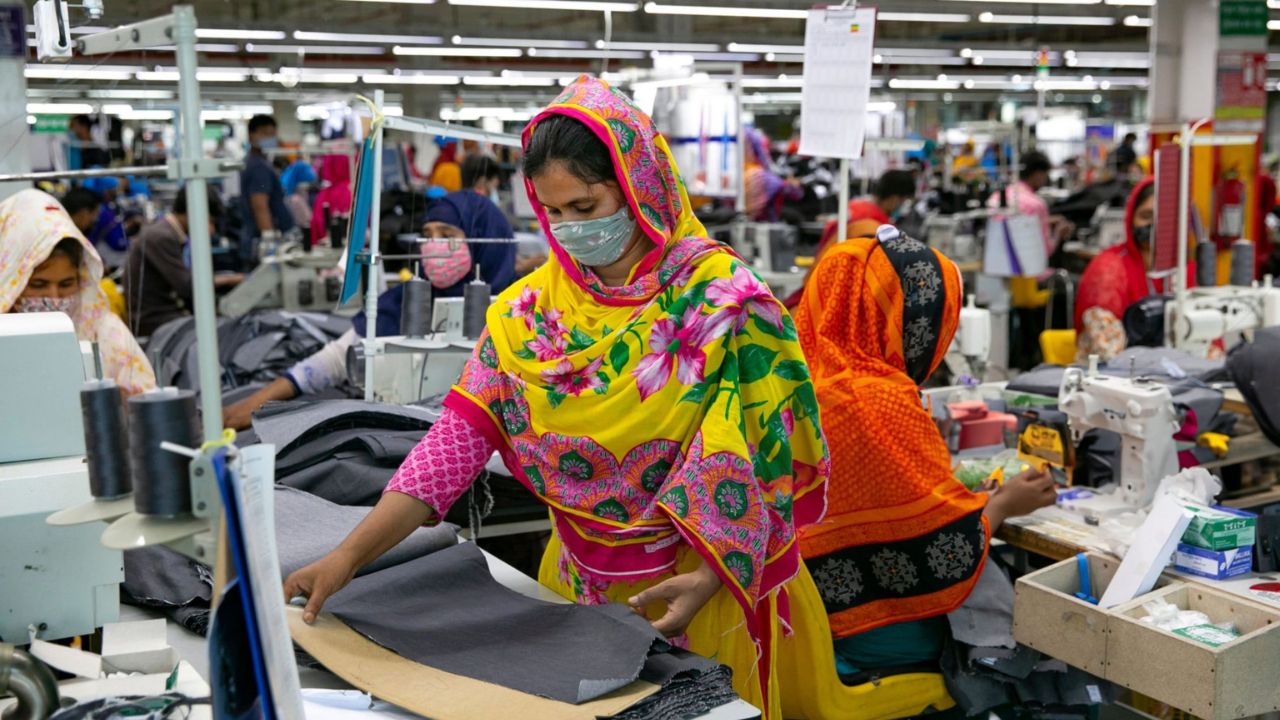
The interim government also came under criticism over the closure of hundreds of factories, leaving thousands of workers jobless and pushing many towards poverty.
Within the administration, there were also allegations that Yunus was reluctant to take tough decisions, particularly when dealing with student advisers and coordinators who had emerged from the July uprising.
The government was further accused of attempting to prolong its tenure by delaying elections. Several advisers were allegedly involved in such efforts.
In March, interim government adviser Asif Mahmud Sojib Bhuiyan claimed at a discussion that a “deep state” wanted the government to remain in power until 2029, but that they rejected the proposal. The claim itself drew scepticism.
The role of some advisers also became controversial. Now parliament member Nahid Islam, who was a key adviser and organiser of Students Against Discrimination, which spearheaded the July uprising, once admitted that trusting some advisers had been a mistake, accusing them of securing their own futures and betraying the spirit of the uprising.
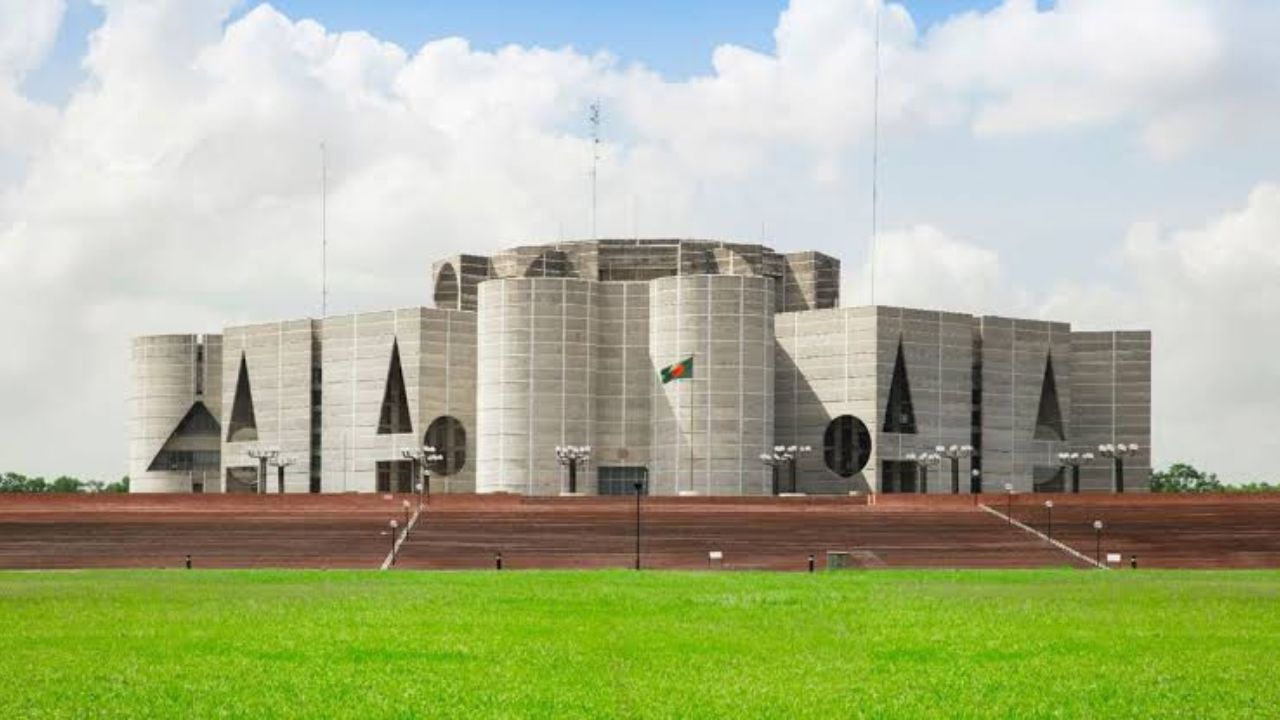
During its tenure, the interim government had consistently identified three priorities: reforms, including constitutional reform; trials for “crimes against humanity” committed during the July mass uprising; and holding parliamentary election according to its announced roadmap.
Before leaving power, it claimed trials had begun, reforms were underway and the National Consensus Commission had finalised constitutional reform proposals. The election was also held.
In his farewell address, Yunus said he had fulfilled his responsibilities over 18 months and was transferring power to an elected government.
The strongest credit due to Yunus is that he oversaw the election that was regarded as credible, helping end prolonged political uncertainty. But that achievement was not his alone.
The armed forces, law-enforcement agencies, civil administration and contesting political parties also played crucial roles.
Yet the government’s record remained contested. A deal secretly signed with the United States just two days before the election triggered debate and criticism.
Critics argued that reforms had gone off track and trials risked becoming retribution. Sweeping murder cases implicating teachers, journalists and people from various professions drew criticism while women faced attacks and harassment throughout the interim government’s tenure.
Prof Yunus is back in the spotlight after his presence at the opening of the July Museum. His name has surfaced in the media as a potential candidate for the presidency.
If that happens, Bangladesh will face a striking political irony: the man who entered office promising to restore order and reform the state may now seek the country’s highest constitutional office.
Whether the nation recalls Yunus as the transitional leader who delivered a credible election or as the head of a government that failed to tame the forces of disorder will be determined by how his record is judged.
For Muhammad Yunus, therefore, the next chapter may not be about gaining another office. It may be about answering for the one he has just left.