
Despite a nationwide measles vaccination campaign, the outbreak continues as Bangladesh failed to achieve the 95% vaccination coverage required to interrupt transmission, according to public health expert and former Principal Scientific Officer of the Institute of Epidemiology, Disease Control and Research (IEDCR) Mohammad Mushtuq Husain.
In an interview with Md Al Amin Sadman of TIMES of Bangladesh, he said the country’s response must now focus on identifying unvaccinated children through revised microplanning, expanding routine immunisation and strengthening primary healthcare to prevent similar crises in the future.
“The first issue is that the vaccination campaign did not achieve the 95% coverage needed for herd immunity,” Professor Husain said. “Microplanning was not carried out properly, and coverage remained well below the required level. Had that target been achieved, the number of infections would have declined.”
He said authorities should immediately prepare revised household-based microplans to identify children who missed vaccination and ensure they receive the measles vaccine.
“Those who have not yet been vaccinated must be reached through family-level microplanning,” he said.

“Children who are eligible for the second dose must also receive it.”
Local response needed as measles reaches epidemic level
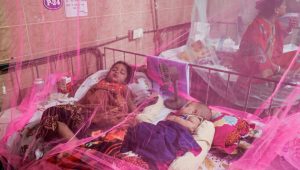
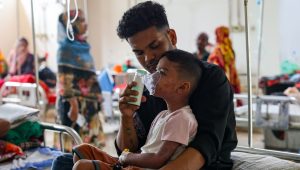
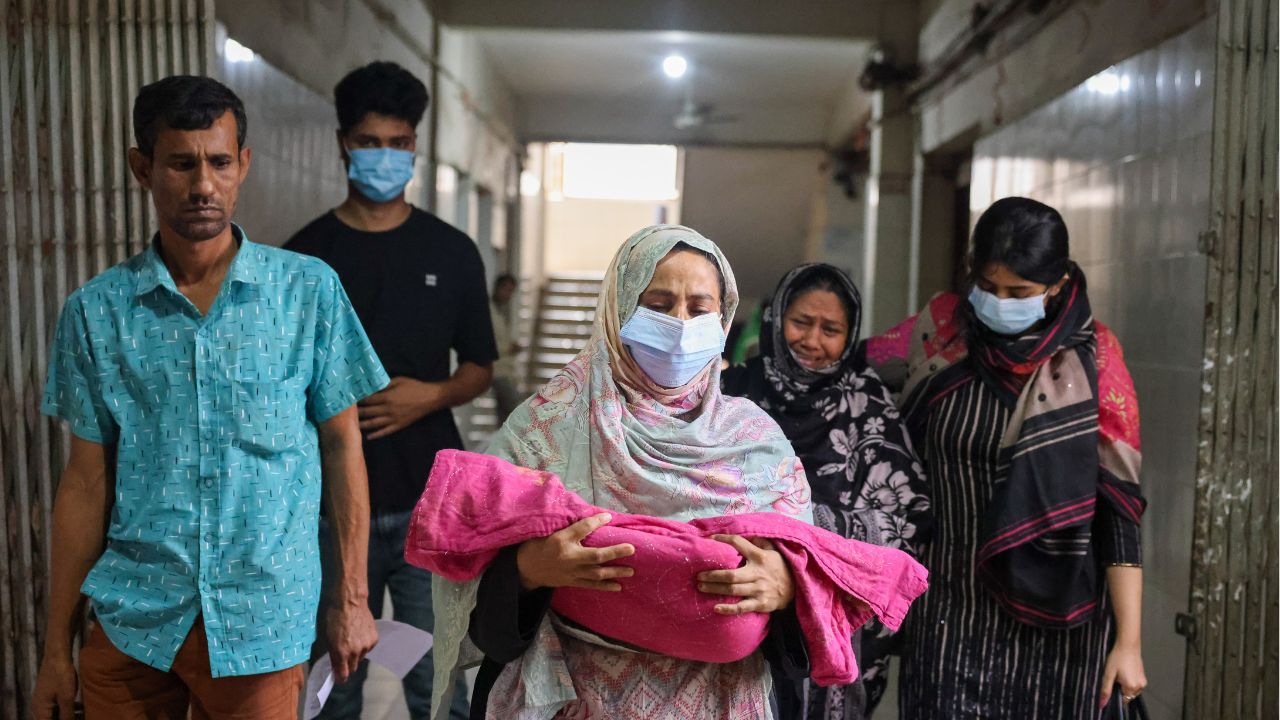
Husain described measles as a highly contagious disease that has reached epidemic proportions, requiring rapid local responses wherever cases increase.
“Wherever measles cases rise, quick vaccination or response centres should be established,” he said. “People also need to follow infection prevention measures during an outbreak.”


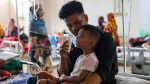

He expressed concern that infection control measures are not being adequately followed in healthcare facilities.
“Health guidelines are hardly being followed,” Professor Husain said. “Hospitals are also failing to limit the number of visitors to measles patients.”
Referring to the recent nationwide measles vaccination campaign, the interviewer noted that around 18.3 million children received measles vaccines, while the subsequent Vitamin A Plus campaign reached roughly 4 to 4.3 million more children. This raised questions over whether all eligible children had been covered.
Responding to the issue, Professor Husain said proper planning was not carried out before the campaign. “Before a vaccination campaign, health workers should conduct house-to-house surveys to identify how many children live in each area. That was not done this time,” he said.
He said the campaign was aimed at controlling the outbreak, but inadequate coverage allowed transmission to continue.
“An effort was made to control the outbreak, but 95% coverage could not be achieved,” he said. “As a result, measles transmission is continuing.”
Primary healthcare must be strengthened
Husain stressed that patients should receive timely care at primary healthcare facilities to reduce the number of severe cases requiring intensive care.
“Primary healthcare centres should be able to manage measles patients early so fewer patients require ICU care,” he said. “One weakness of our health system is that critical care capacity is not being strengthened.”
Looking beyond the current outbreak, Husain said Bangladesh needs long-term investment in primary healthcare rather than relying solely on emergency responses.
“The government’s long-term plan should be to fully establish primary healthcare centres across the country,” he said. “Healthcare workers need to be properly trained and deployed so health services reach people at the union level.”
He said these facilities should actively detect infectious diseases such as measles and dengue, provide early treatment and ensure patients requiring advanced care are referred through upazila health complexes.
“We have to work with a long-term plan,” Husain said. “Primary healthcare should identify patients, provide treatment and ensure secondary care through upazila health complexes. That is how similar outbreaks can be prevented in the future.”