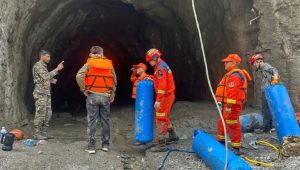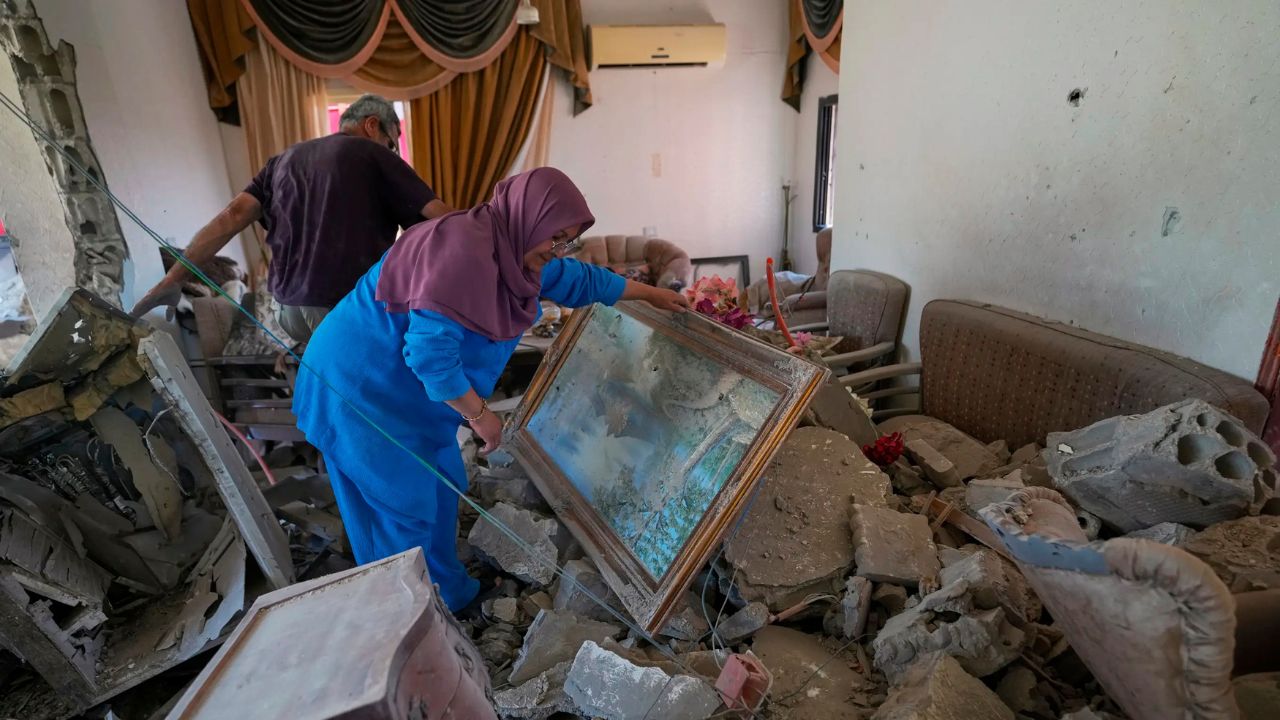

The war may have quieted, but southern Lebanon is still learning what peace sounds like. In villages once emptied by shelling and fear, families are beginning to return. They are unlocking doors that no longer hang straight, sweeping dust from shattered floors and searching for traces of the lives they left behind.
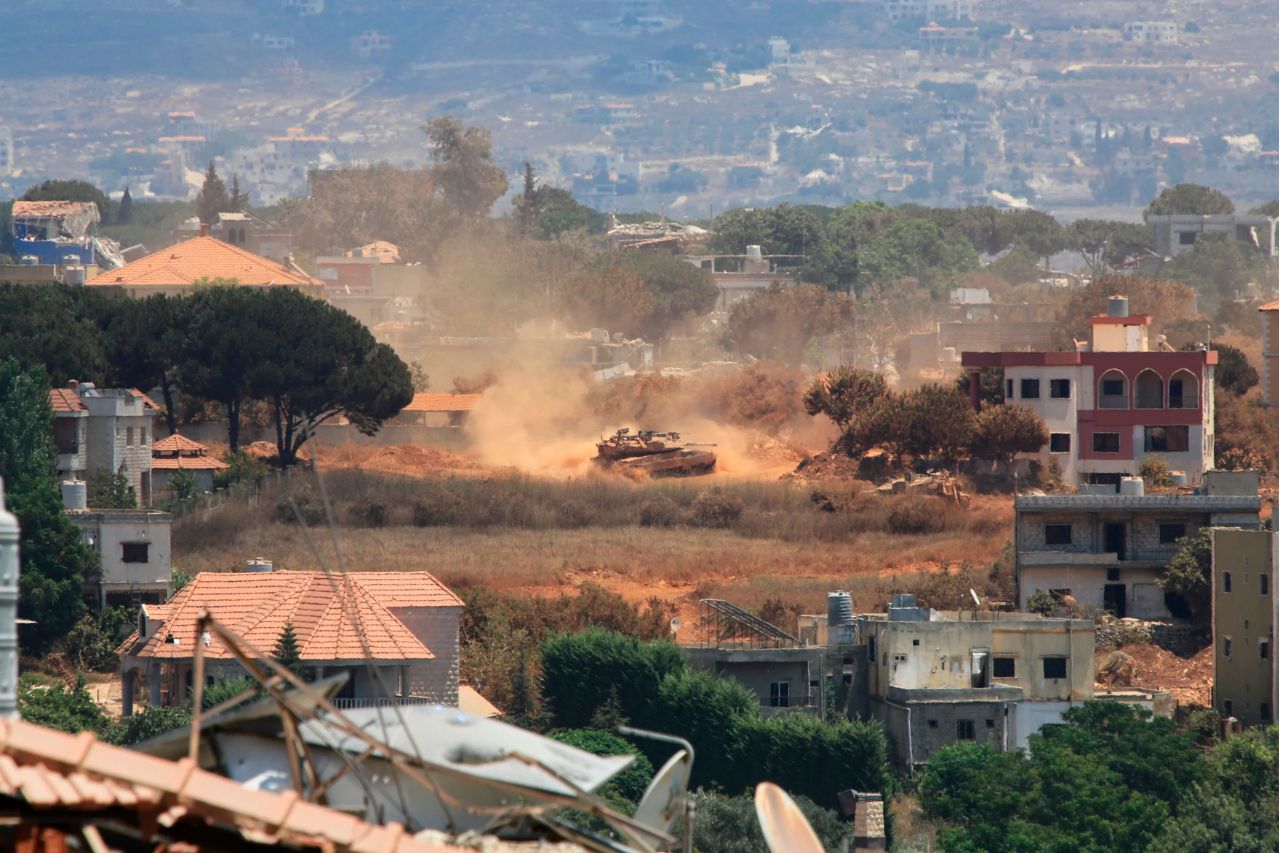
For many, home is no longer a place of comfort but a reminder of what conflict leaves behind long after the fighting stops. Months of fighting between Israel and Hezbollah have scarred large parts of southern Lebanon. Entire communities were displaced as homes, roads and businesses were damaged or destroyed.
Now, under a fragile US-brokered agreement, a handful of villages have become pilot zones where civilians are slowly returning alongside the Lebanese army.

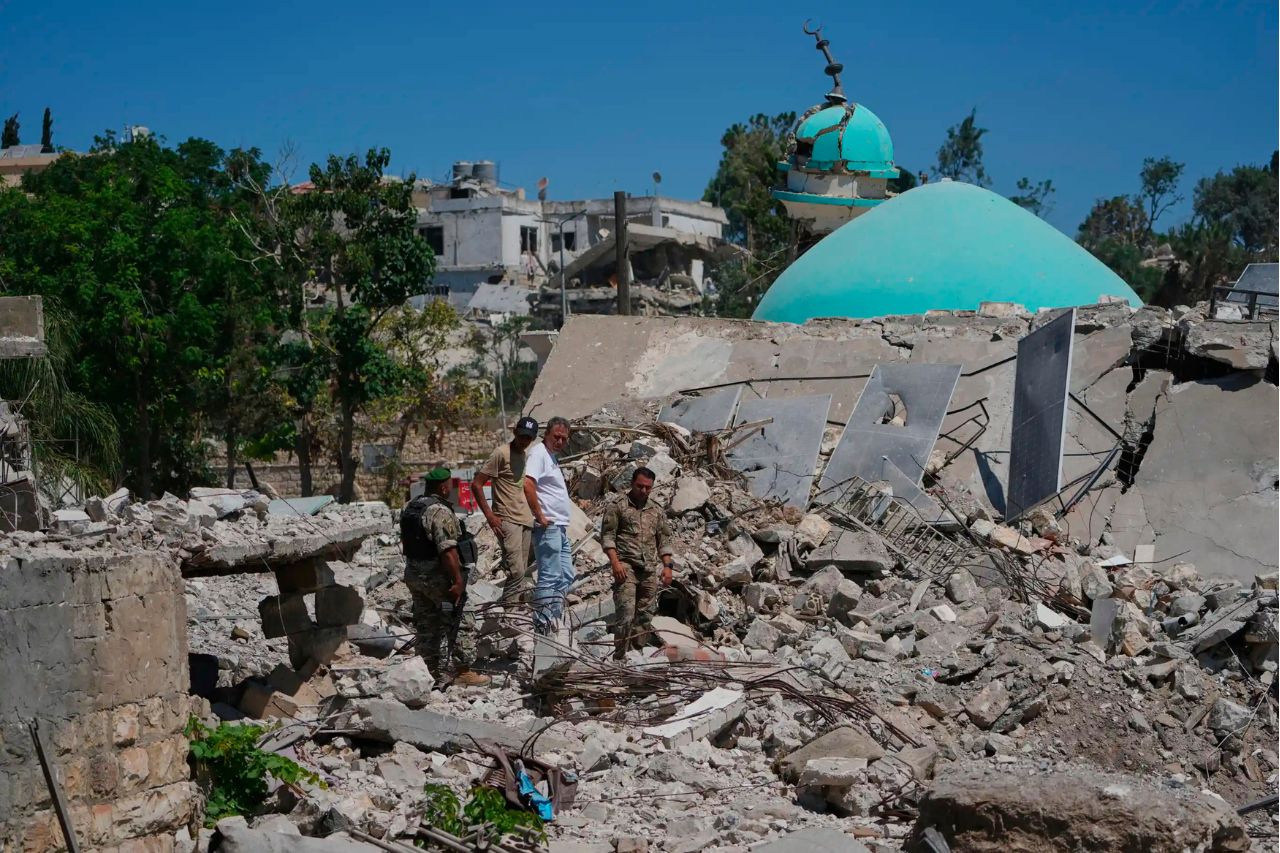
Residents stand amid the ruins of their home, pointing to walls pockmarked by bullets. An elderly couple arrange their belongings inside a grocery shop that has become both their shelter and their livelihood. Children walk through streets where silence has replaced the sounds of ordinary life.




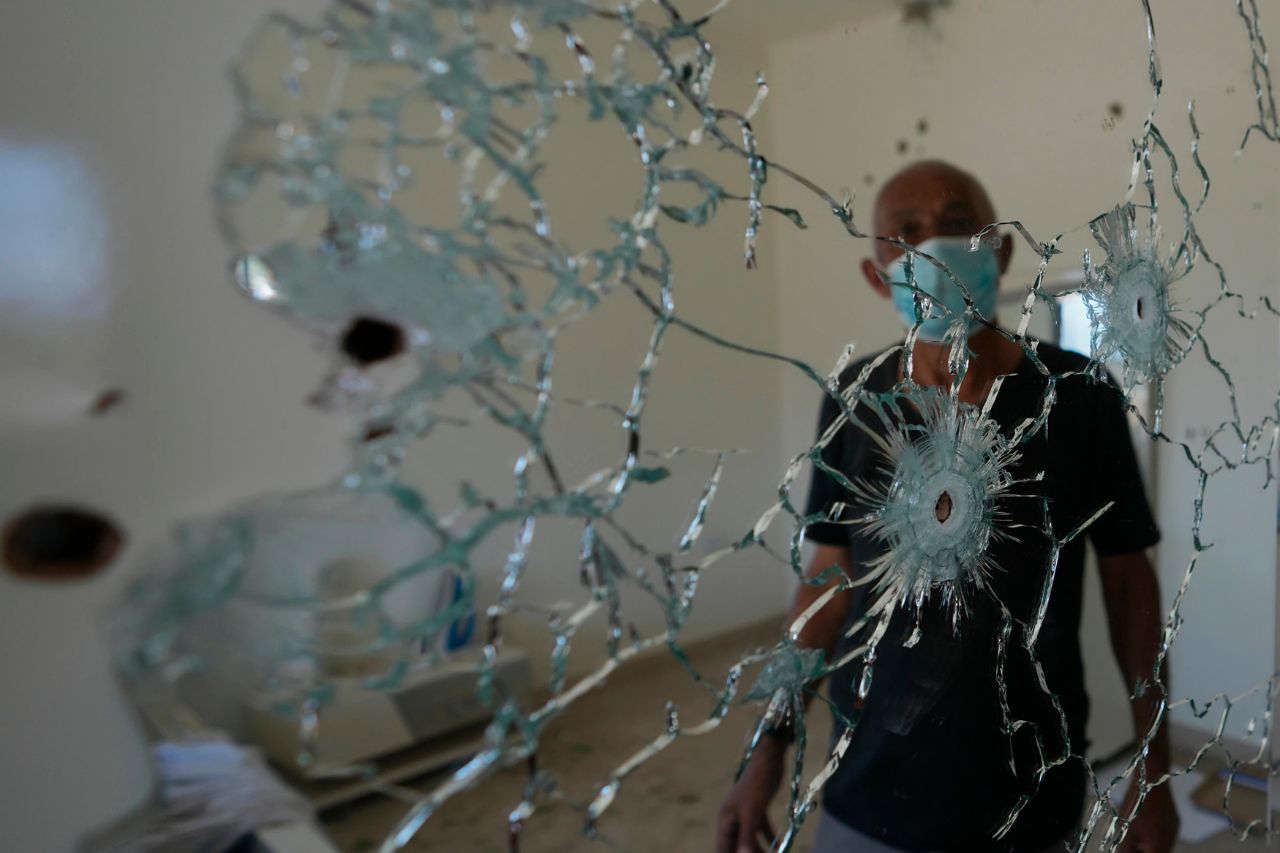
For some families, returning does not mean returning home. Their houses remain uninhabitable, forcing them to sleep in shops or temporary spaces while they wait for reconstruction assistance that may take months or even years to arrive.
Despite the ceasefire, uncertainty lingers. Israeli military positions remain visible near some areas, while surveillance drones continue to hum overhead.
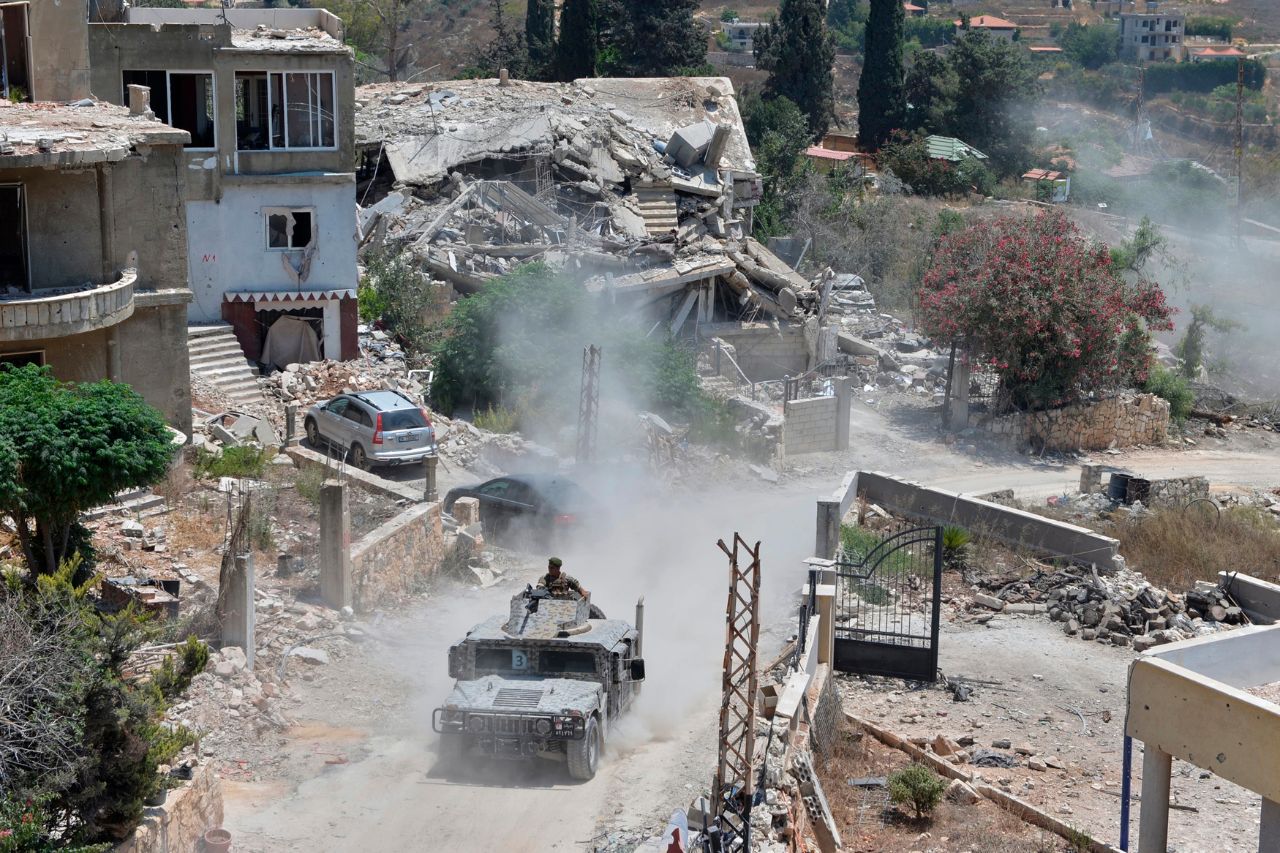
Residents speak less about celebration and more about caution. Safety, they say, remains elusive. Neighbours gather to assess what can still be saved. Families choose to come back, even when little remains.
War is often exposed in moments of explosion and escape. Its aftermath is quieter. It is measured in broken windows, empty streets and difficult returns. For Lebanon’s south, peace has not arrived all at once. It is returning slowly, one family at a time.