
Days of relentless rain and widespread waterlogging have triggered a sharp rise in mosquitoes across Dhaka, forcing residents in several neighbourhoods to shelter under mosquito nets even during the day and raising fears of a surge in dengue infections.
From Mohammadpur and Hazaribagh to university halls and the sprawling Karail slum, residents say coils, incense and insecticide sprays are failing to contain the infestation.
The worsening situation comes despite the health minister’s recent warning in parliament urging people to remain vigilant against dengue. Residents, however, say they have seen little evidence of intensified mosquito-control operations in many parts of the capital.
While officials of both the city corporations insist that special eradication drives are under way, residents in several densely populated and low-income neighbourhoods allege that spraying remains irregular and largely ineffective.
During visits to Mohammadpur, Rayerbazar, Hazaribagh, Beribadh and Basila, residents were seen burning coils and incense throughout the day in an attempt to keep mosquitoes away.
Bithi Akter, a homemaker in Beribadh, said the problem had worsened rapidly following the recent rainfall.
She said mosquitoes remained inside her home despite repeated cleaning with bleach and disinfectant.
“We cannot escape them during the day or at night,” she said.

In Basila, Shakil Ahmed said his family avoided using strong insecticide sprays because they had a young child.
Instead, they spend sleepless nights checking mosquito nets and trying to kill insects that enter their room.
“We wake up repeatedly because mosquitoes somehow get inside the net,” he said.
The infestation has also spread through residential halls at Dhaka University, where students say cramped rooms and poor mosquito-control measures have left them increasingly vulnerable.
Students at Zahurul Haq Hall and Haji Muhammad Mohsin Hall said burning several coils at a time had brought little relief.




Redwan Hossain, a student of International Business, said the rooms were so crowded that many students could not properly hang mosquito nets. “There is hardly enough space to sleep, let alone hang a net,” he said. “The coils do not work, and mosquitoes remain everywhere.”
At Jagannath Hall, Debashish Das said students faced the same problem even on the rooftop of the 10-storey Rabindra Bhaban. “There is no relief anywhere in the building,” he said.
Residents have also questioned whether poorer neighbourhoods are receiving the same level of attention as wealthier parts of the capital.
The contrast is stark in Karail, where stagnant rainwater has accumulated in narrow lanes and around densely packed homes, creating possible breeding grounds for mosquitoes.
Families were seen resting under mosquito nets in broad daylight as mosquitoes swarmed through their small rooms.
Mohammad Sumon, a rickshaw puller who lives in a narrow shack with his wife and young daughter, said the family feared dengue but had few options to protect themselves.
“What are we supposed to do?” he asked. “We cannot keep burning coils all day, and we do not see anyone coming here to spray.”
His neighbour, 68-year-old Rahela Banu, alleged that city corporation workers regularly conducted mosquito-control operations in nearby up market Banani neighbourhood but rarely visited Karail. “They spray in the rich areas, but nobody comes here,” she said.
Dhaka North City Corporation Public Health Officer Mohammad Lutfor Rahman said a “crash programme” had been launched ahead of the dengue season.
DNCC Information Officer Md Humayun Kabir Khan also said mosquito monitoring and eradication activities continued throughout the year, with particular attention given to densely populated areas.
DNCC Deputy Chief Health Officer Md Emdadul Hoque acknowledged that heavy rainfall had disrupted routine mosquito-control operations.
He said the corporation had launched a special eradication campaign that would continue until 31 August. Residents, however, said they had yet to see any significant improvement.
Questions have also been raised over the response of Dhaka South City Corporation.
When contacted about emergency measures, DSCC Administrator Md Abdus Salam said he was in a meeting and ended the call.
DSCC Public Relations Officer Rasel Rahman said he could not immediately provide information on recent mosquito-control activities because government offices were closed for a holiday.
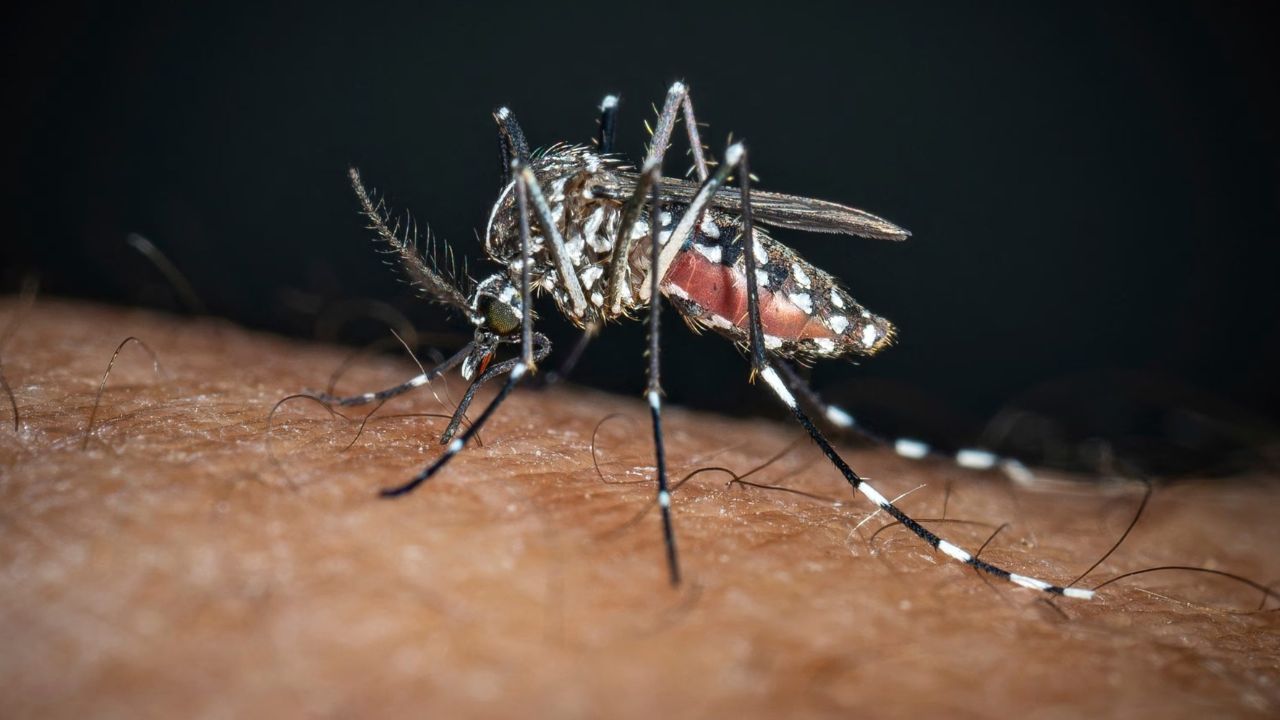
Public-health experts have repeatedly warned that stagnant water following heavy rain can create favourable breeding conditions for Aedes mosquitoes, which transmit dengue.
With water remaining trapped in roads, drains, construction sites and residential areas, Dhaka residents fear the mosquito infestation could develop into a wider public-health emergency unless the city corporations intensify their response.
For families already spending their days and nights under mosquito nets, official assurances offer little comfort.
“We hear that campaigns are under way,” Sumon said in Karail. “But the mosquitoes are still here.”
Md Raiyan Tahrim and Afgani Bin Jahor have contributed to the story.