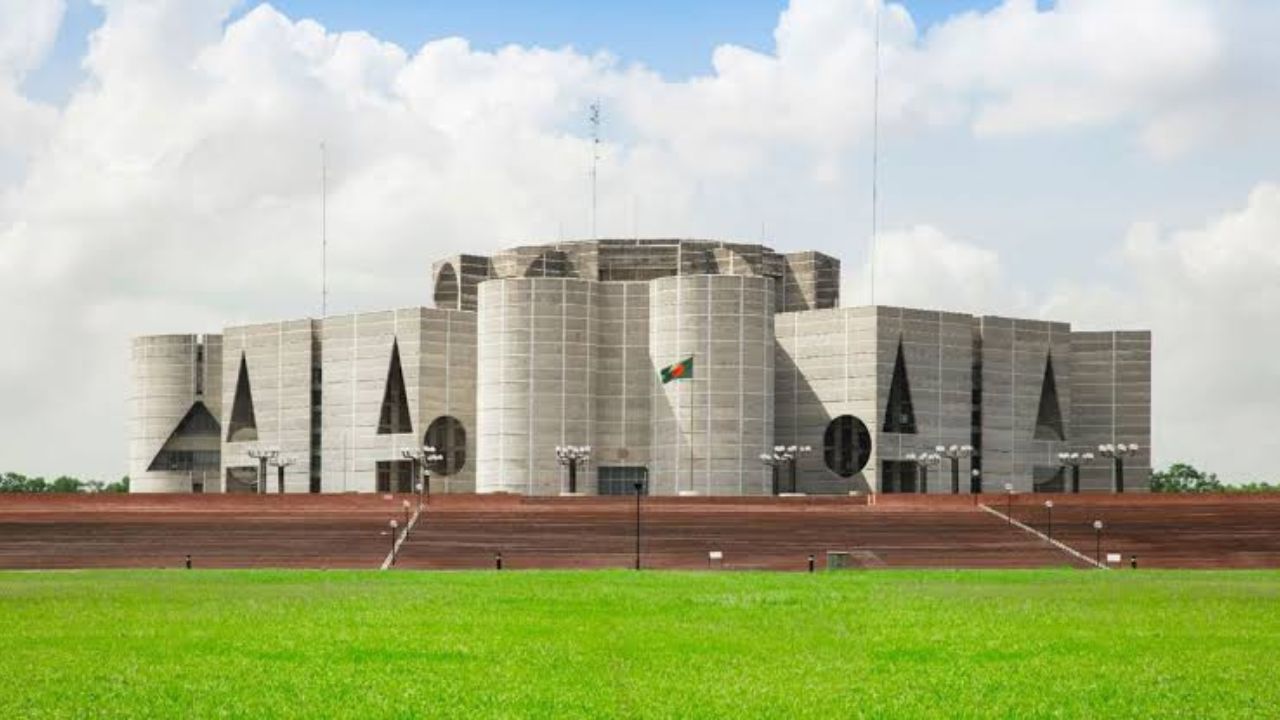
Parliament is the constitutional venue for enacting laws, reviewing the national budget, and ensuring government accountability on issues of public interest.
However, a heated debate between treasury and opposition MPs on Wednesday over the interpretation of a Quranic verse has raised a fundamental question: Is parliament transforming into a forum for theological interpretation?
While the session was meant to address pressing national issues, such as legislation, the economy, inflation, employment, and public welfare, a significant portion of the day’s sitting was instead consumed by political interpretations of scripture, counter-arguments, and partisan posturing.
At the center of the dispute was verse 7 of Surah Ibrahim, which translates to, “And remember when your Lord proclaimed, ‘If you are grateful, I will certainly give you more. But if you are ungrateful, surely My punishment is severe.’”

Alamgir Mohammad Mahfuzullah, an MP from the Cox’s Bazar-2 constituency, cited this verse while criticising the opposition during the budget debate.
Immediately following his speech, Jamaat-e-Islami MP Nazibur Rahman Momen rose on a point of order, alleging that the scripture had been politically weaponised.
Momen argued that the verse was framed to imply that failing to praise the government or support the budget would invite divine punishment upon the opposition.



He urged the speaker to intervene against the misinterpretation of the Quran for political gain.
Although the speaker promised to review the parliamentary proceedings and expunge misinterpretations, if any, the assurance failed to de-escalate the tension.
The debate widened when Home Minister Salahuddin Ahmed defended Mahfuzullah, noting that as a madrasa-educated Maulana, Mahfuzullah had merely brought up the religious duty of expressing gratitude with honest intentions.
The Home Minister contended that it was actually the opposition that was misinterpreting the statement politically.
In response, opposition member Mujibur Rahman countered that the original context of the verse’s revelation had been deliberately omitted to suit a partisan narrative.
He argued that religious messages were being manipulated to frame legitimate criticism of the government as religiously unacceptable.
While interventions from the Chief Whip and senior lawmakers eventually calmed the floor, the incident has left a lingering question: Is it the primary function of the legislature to debate scriptural interpretation?
Political analysts note that while religious principles can legitimately surface in parliamentary debates, particularly regarding social values, morality, or state policy, public arguments over theological contexts and their political applications risk obscuring the legislature’s core duties. When scriptural debates take center stage, emotional and ideological posturing inevitably eclipses vital policy-making discussions.