In the crowded lanes of Gulistan, where thousands of people pass through every day, money changes hands faster than almost anywhere else in Dhaka.
Amid the rush of buses, street vendors, wholesale traders and shoppers, another business quietly flourishes.
This one is built around the country’s most neglected currency: torn and damaged banknotes.
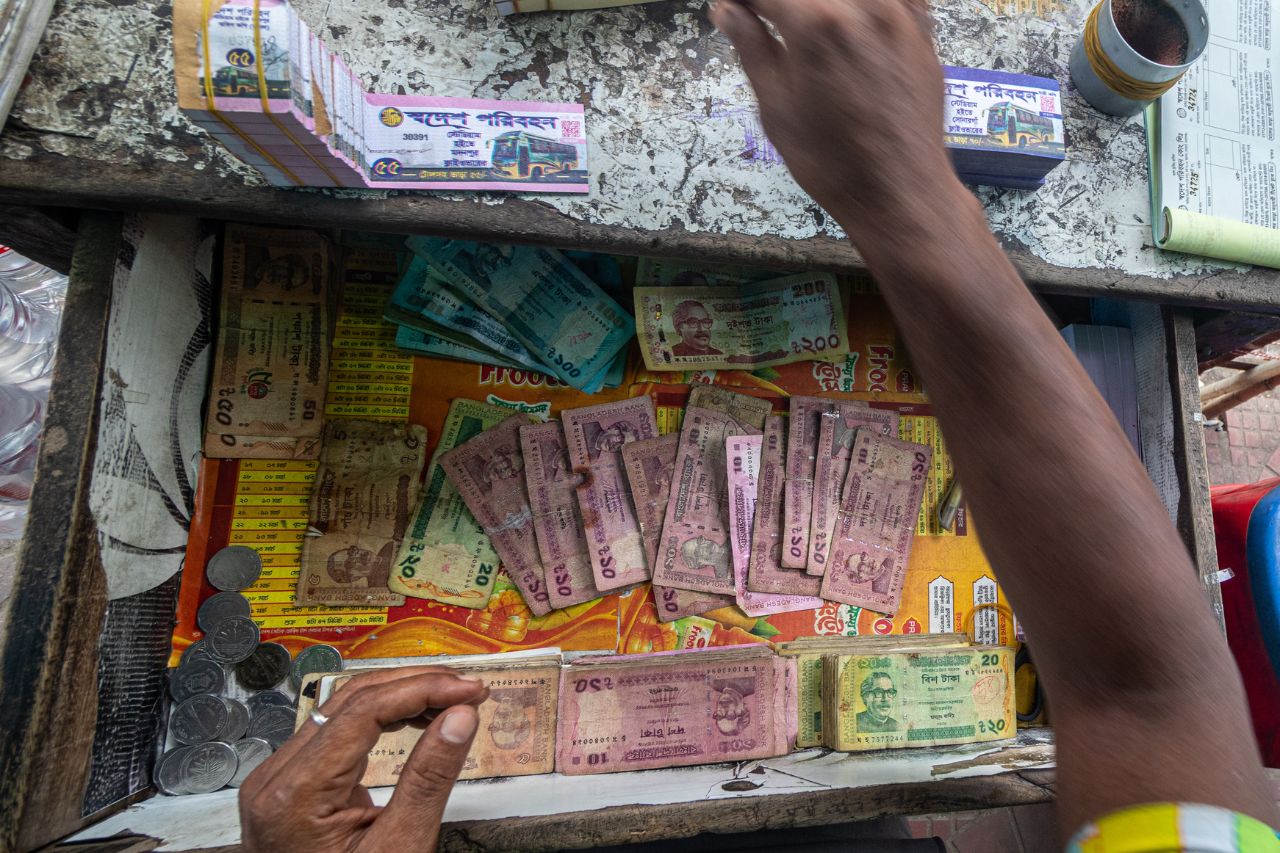
A customer buys a cup of tea and receives a crumpled Tk 10 note in return. A bus conductor hands over change using a faded Tk 20 note held together with tape.

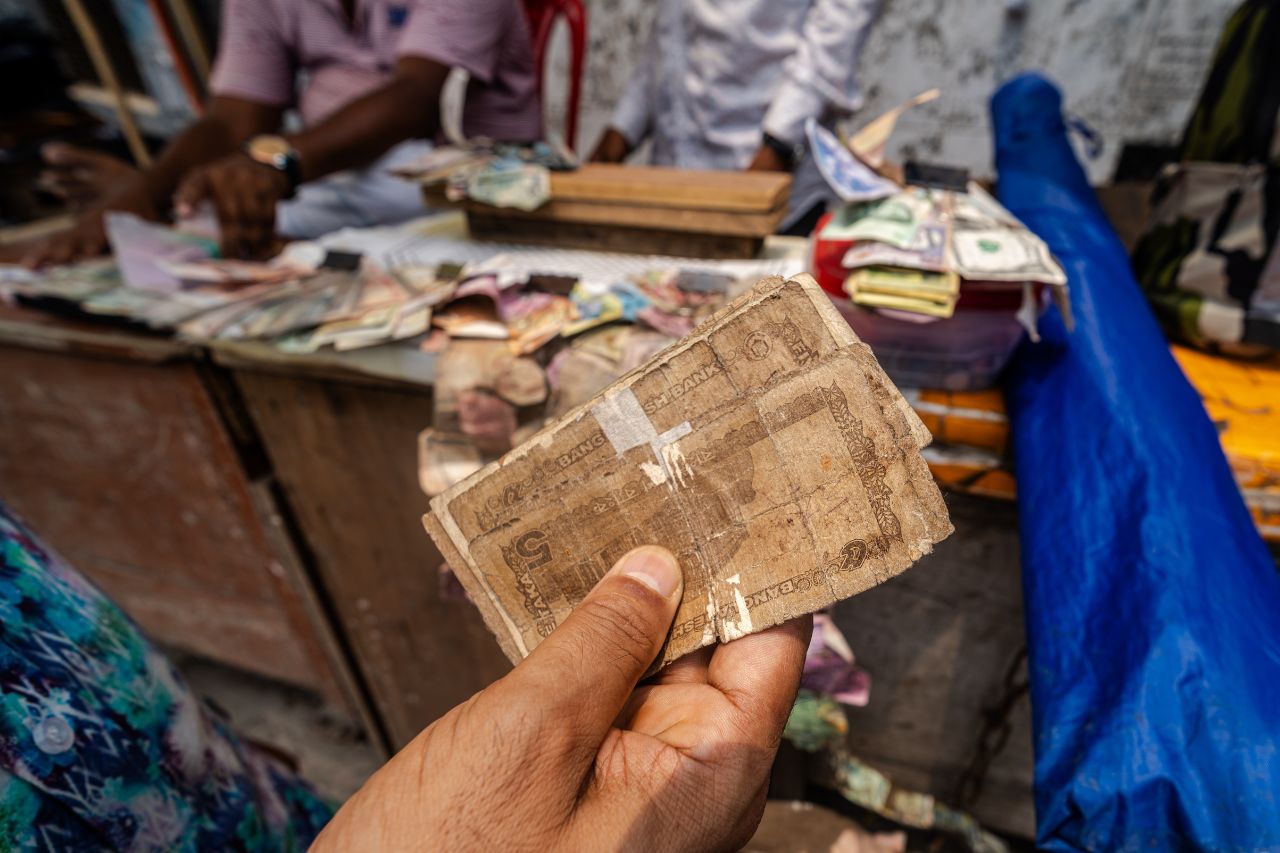
A shopkeeper reluctantly accepts a torn Tk 5 note because refusing it could mean losing a sale.
Across Bangladesh, damaged banknotes have become such a common part of daily transactions that many people no longer question their presence.
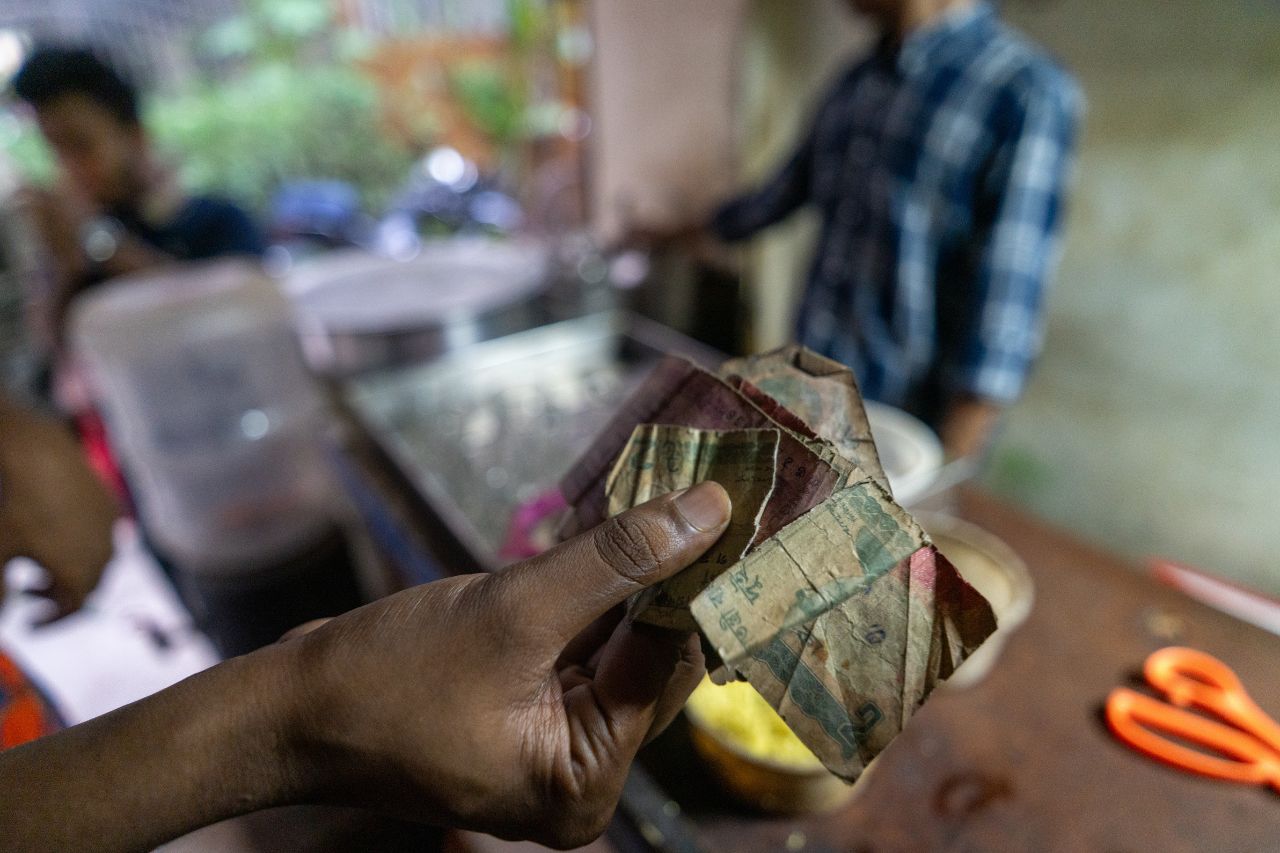
The problem is most visible among lower denominations. While Tk 500 and Tk 1,000 notes are generally kept in better condition, Tk 2, Tk 5, Tk 10 and Tk 20 notes often remain in circulation long after they have become worn or torn.




Constant handling, moisture, folding and poor storage gradually reduce them to fragile pieces of paper that are difficult to use but impossible to avoid.
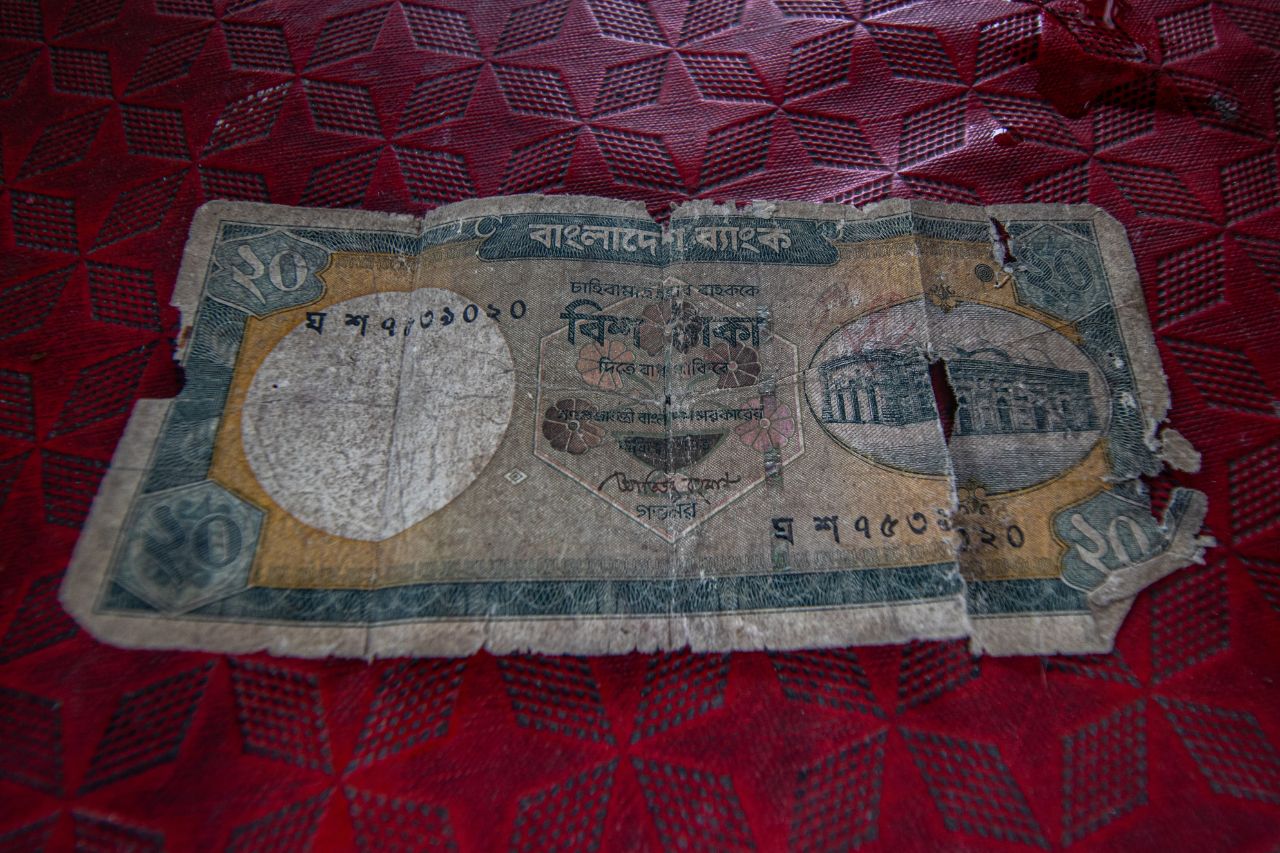
This has created a unique informal market in Gulistan, where traders buy, sell and exchange damaged banknotes for a fee.
People arrive carrying bundles of torn currency collected from shops, markets and transport services.
Depending on a note’s condition, traders offer different exchange rates. In many cases, customers receive less than the actual face value of the currency, especially for heavily damaged notes, where deductions are applied before exchange.
Although Bangladesh Bank allows damaged banknotes to be exchanged through banks under certain conditions, the process often requires time and a visit to a designated branch.
For many small traders and daily wage earners, the informal market offers a quicker solution.
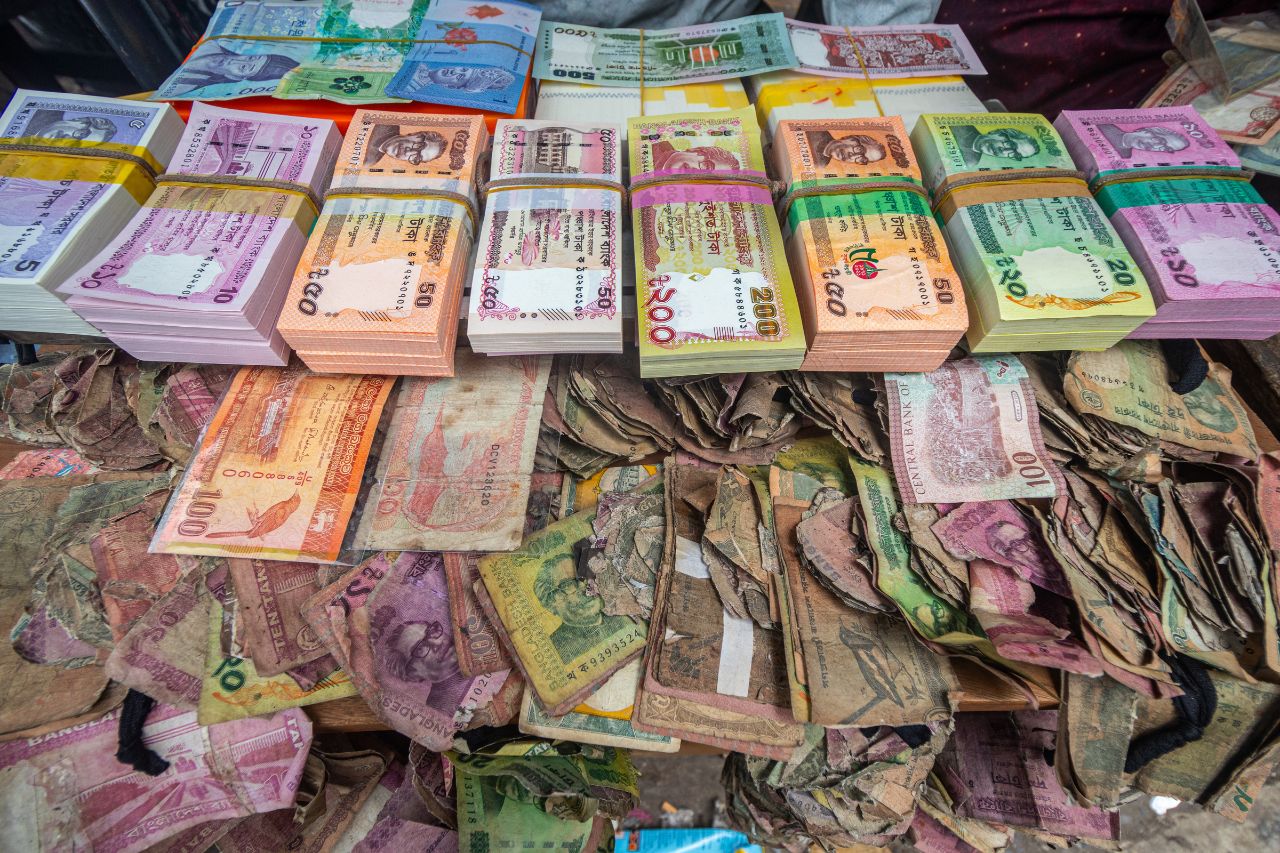
The continued circulation of damaged currency highlights a broader challenge in maintaining the quality of cash used in everyday transactions.
Until worn-out notes are replaced more efficiently, the torn-note markets of Gulistan will continue to provide an unofficial answer to a problem carried in countless wallets across the country.
Photos: Kazi Arifujjaman