Bangladesh Petrochemical Company Limited (BPCL) has introduced an artificial intelligence-powered blockchain traceability system and a recycling business unit model to modernise plastic waste management in Bangladesh.
The initiative, implemented under the World Bank-funded Plastic Free Rivers and Seas for South Asia (PLEASE) Project, has established seven recycling units in Feni, Cox’s Bazar, Rupganj, Siddhirganj, Bogura, Chattogram, and Cumilla.
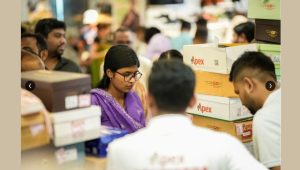
BPCL said the units have recovered more than 617 metric tonnes of plastic and created employment for 5,615 people so far.
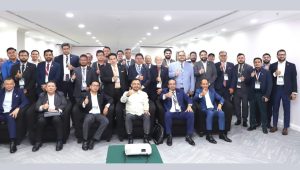
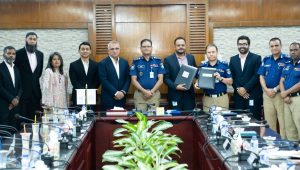
The progress was presented at a workshop titled “Decarbonising Bangladesh’s Plastic Waste: Innovative Solutions for the Circular Economy”, held on Monday at a hotel in Gulshan.

BPCL Managing Director and CEO Khadem Mahmud Yusuf presented the project, followed by video screenings and an open discussion, the company said in a press release.
Environment, Forest and Climate Change Ministry Minister Abdul Awal Mintoo said, “Banning plastic alone cannot solve the crisis as it is deeply embedded in daily life, and investment in recycling and innovation is essential.”




Environment, Forest and Climate Change Ministry Additional Secretary Fahmida Khanam said the government will provide technical support and remains committed to strengthening solid waste management.
IBA University of Dhaka Professor Melita Mehjabeen said integrating waste management into a structured financial model is important and appreciated efforts to ensure sustainable buyers.
United Nations Office for Project Services Bangladesh Country Manager Sudhir Muralidharan described the initiative as one of the most promising innovations and called for scaling it nationwide.
Sweden Embassy First Secretary Nayoka Martinez-Bäckström praised the supply chain built from individual collectors, while United Nations Development Programme Green Growth Programme Specialist Jacob Fink Ferdinand highlighted the need for close monitoring of the digital system.
GIZ Head of Projects Michael Klode stressed the importance of economic inclusion in the waste ecosystem and pointed to the complexity of individual-level tracking.
The workshop highlighted that the artificial intelligence-driven blockchain system enables real-time tracking of plastic waste from collection to recycling, ensuring transparency and accountability.
The project has increased recyclable material traders’ net profit per kilogram from Tk2 to Tk3, BPCL said.
Implemented with Centre for Development Innovation and Practices, the initiative has also provided free healthcare to 1,404 informal waste pickers, childcare support to 70 children, and life skills training to 1,475 workers.