Fuel rationing triggered by the Iran–Israel war is tightening supply for transport operators and fuel depots even as diesel availability to export-oriented factories begins to stabilise after government intervention.
Petrol pumps and commercial fuel users, particularly in the port logistics chain, report sharp cuts in allocation after authorities introduced rationing amid global energy market disruptions.
At Shawkat Filling Station in Mirsarai upazila, weekly diesel allocation dropped to 12 tanker vouchers from 20 earlier, with each voucher carrying 9,000 litres.
Shawkat Filling Station owner and Chattogram Divisional Petrol Pump Owners Association Convener Md Abu Toiyab Patwari said many pumps are receiving only about 30 per cent of their required fuel, while some stations in divisional and district towns are getting up to 70 per cent.
“Octane and petrol supply to pumps at the upazila level has almost come to a halt,” he said.
Drivers are crowding stations in district towns in search of fuel, creating long queues at many pumps.

Patwari said the situation would not have emerged if fuel had been distributed according to Bangladesh Petroleum Corporation’s (BPC) declared allocation plan.
BPC Secretary Shahina Sultana said rationing has recently been reduced from 25 per cent to 15 per cent.
She added that the state energy agency has opened a complaint cell so customers who do not receive their allocated fuel can report the issue.
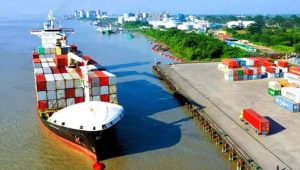
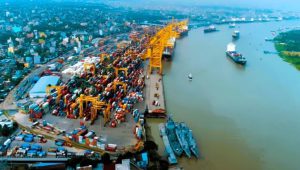
Industry groups warn that the continuing shortage could disrupt container transport and port logistics.




Chattogram hosts 21 private fuel depots that require about 65,000 litres of diesel a day. But they are currently receiving only 50 to 60 per cent of their required allocation, forcing operators to ration existing stocks.
Bangladesh Inland Container Depots Association Secretary General Ruhul Amin Sikder said the shortage could soon halt container transport between the depots and Chattogram Port.
More than 1,000 prime mover trailers move containers between the depots and the port each day.
“If the situation continues, even container-handling equipment may have to be shut down due to the lack of fuel,” he said.
Export industries initially faced similar disruptions when diesel rationing began earlier this month.
Sparrow Group Managing Director Shovon Islam said the manufacturing sector experienced supply shortages when rationing was first introduced.
“After discussions with the government we reached a solution, and export-oriented factories are now receiving diesel according to their demand,” he said.
Sector associations are verifying factory demand and coordinating with authorities to ensure supply.
Bangladesh Garment Manufacturers and Exporters Association Vice President Mohammad Rafique Chowdhury said garment factories faced shortages during the first two to three days of March.
The association later wrote to BPC Chairman seeking intervention.
“Following instructions from BPC, garment factories across the country are now receiving fuel according to their requirements,” he said.
However, Bangladesh Knitwear Manufacturers and Exporters Association President Mohammad Hatem said some factory owners still complain they are not receiving diesel according to their demand.
“I also spoke with BPC Chairman, who instructed officials to ensure supply according to requirement,” he said.
Hatem said BPC asked factories to cut diesel use by 25 per cent, a target he said is difficult to meet as load shedding has increased.
Factories are running generators during power outages to maintain production, increasing their dependence on diesel.
The squeeze has already pushed up freight costs, with truck fares on the Dhaka–Chattogram route rising by about 30 per cent, according to transport operators.