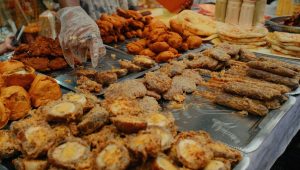
Ramadan evenings in Dhaka transform the city into a gathering point where food, community and tradition converge as people prepare to break their fast.
Across the capital, streets, markets and mosques fill with the aroma of popular iftar dishes such as kebabs, haleem and jilapi, reflecting a long-standing culinary culture that draws families, friends and strangers to shared tables during the holy month.
Old Dhaka remains a central hub of Ramadan food traditions where generations-old recipes continue to attract large crowds seeking traditional iftar items.

Alongside these traditional offerings, restaurants and cafes across the city now present modern interpretations of classic dishes, adding new flavours and dining experiences to the Ramadan food scene.
Temporary iftar bazaars also appear across neighbourhoods each year, offering a wide variety of food items for people returning home from work or looking for convenient meal options before Maghrib prayers.




These bazaars have become an integral part of Ramadan in the capital, allowing visitors to explore different foods in one place while preparing for iftar.
Events such as the Grand Iftar Bazar in Banani bring together traditional Old Dhaka cuisine and modern restaurant dishes under one roof, allowing visitors to browse food stalls, place orders in advance through digital platforms or share meals with friends and family at the venue.
“The Grand Iftar Bazar reflects how Ramadan in Dhaka continues to evolve,” said City Bank Head of Cards Md Tauhidul Alam.
“It creates a setting where traditional flavours and newer dining habits exist side by side, mirroring the way the city itself is changing,” he added.
Observers say the city’s Ramadan food culture continues to connect people through shared meals and experiences, reinforcing the sense of community that defines the holy month.