Metropolitan Chamber of Commerce and Industry (MCCI) on Monday urged the new government to undertake structural reforms to revive private sector-led economic growth, stressing the need for stronger fiscal discipline, financial sector governance, export diversification and energy security.
The chamber made the call while launching a publication titled “Reviving Private Sector-Led Economic Growth: Critical Issues and Priorities Facing the New Government in Bangladesh” at its office in the capital, according to MCCI.
Power and Participation Research Centre Executive Chairman Hussain Zillur Rahman attended the event as chief guest, while Daily Bonik Barta Editor and Publisher Dewan Hanif Mahmud joined as special guest.
Policy Exchange Bangladesh Chairman Masrur Reaz served as the research partner and knowledge lead for the report.

The publication noted that Bangladesh’s economy has faced mounting macroeconomic pressure since 2022, with slower growth, persistent inflation, weaker investment sentiment and rising financial sector vulnerabilities.
Gross domestic product growth fell from 7.1 per cent in fiscal year 2022 to about 3.7 per cent in fiscal year 2025, while inflation increased from 6.15 per cent to around 10 per cent during the same period.
Foreign exchange reserves declined from $41.8 billion to about $28.6 billion under the Balance of Payments Manual Sixth Edition framework, while non-performing loans rose to more than 35 per cent by 2025.




The report said macroeconomic stabilisation must be accompanied by durable and inclusive growth, warning that stabilisation without growth could lead to stagnation while growth without stability would not be sustainable.
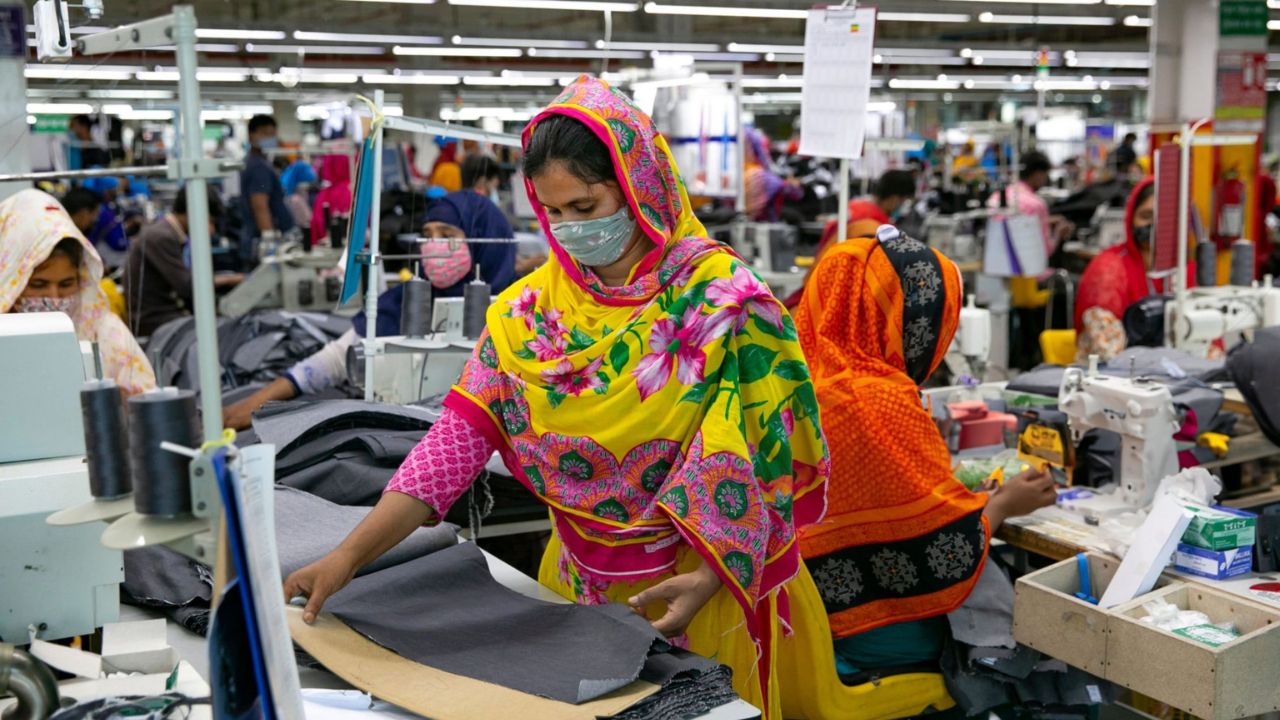
It identified seven priority areas for economic management including restoring macroeconomic stability, strengthening fiscal management, improving banking sector governance, diversifying exports beyond ready-made garments, improving the investment climate, ensuring energy security and developing a future-ready workforce.
The report also outlined several immediate policy measures for the new government’s initial phase.
Recommended steps include reprioritising public expenditure, introducing a more flexible market-driven exchange rate system and forming a Macro Coordination Council to improve policy coordination.
Other proposed actions include implementing a five-year tax automation plan, enforcing stricter loan classification rules in banks, identifying five to ten potential export sectors beyond garments, improving the investment climate and accelerating gas exploration through Bangladesh Petroleum Exploration and Production Company Limited and international partners.
The publication also stressed the need to reduce regulatory uncertainty, improve infrastructure and strengthen technical and vocational education to address the country’s growing skills gap.
MCCI said the report is intended to serve as a policy reference for the government, facilitate dialogue between the public and private sectors and support accountability in implementing economic reforms.