The winds began rising before dawn, rattling tin roofs and bending coconut trees toward the earth. The latest cyclone to batter Madagascar has once again exposed the fragile line between survival and disaster for one of the world’s most climate-vulnerable nations.
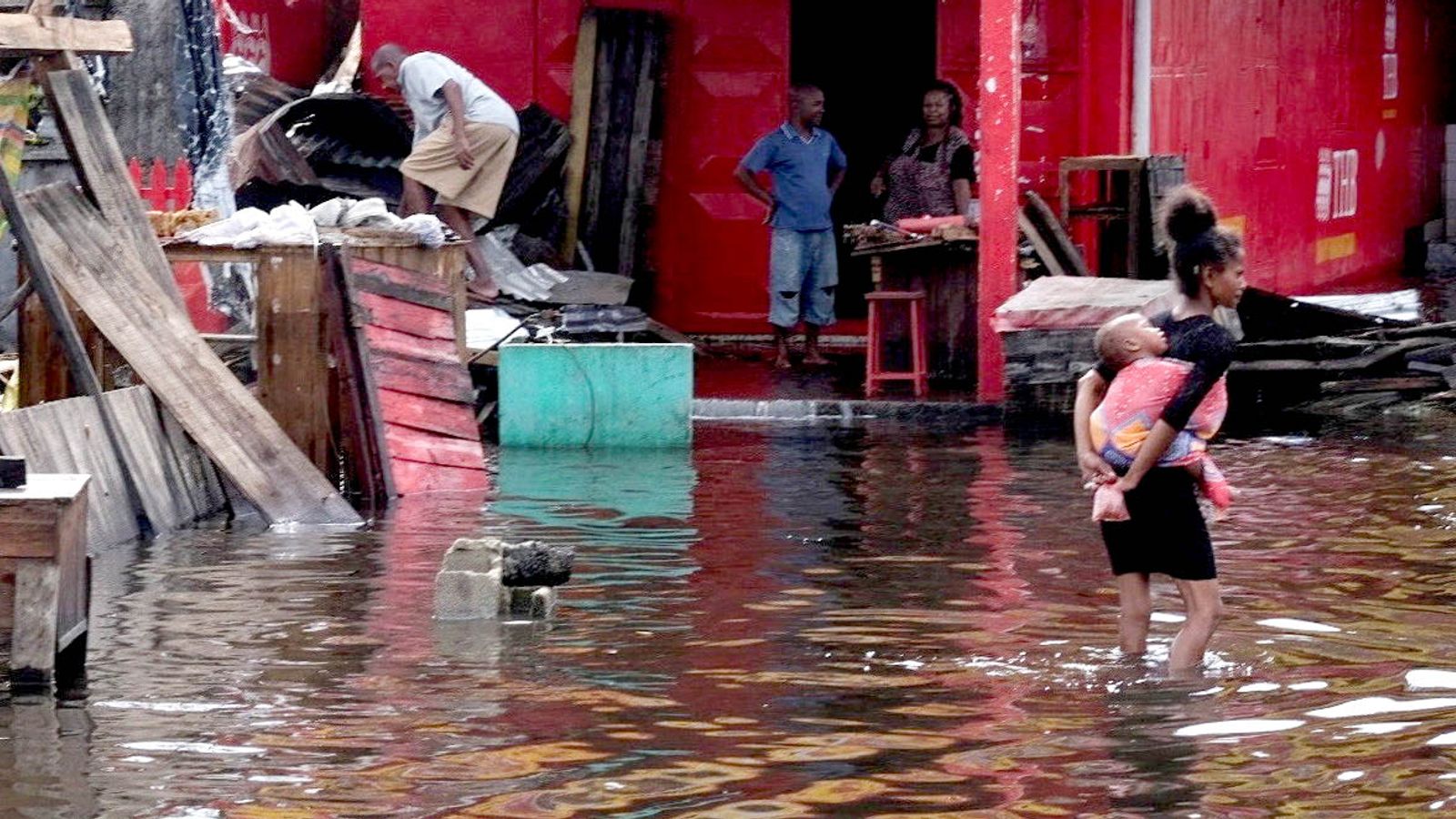
When Intense Tropical Cyclone Gezani struck Madagascar on February 10, 2026, few could have fully grasped the scale of the destruction that would follow. The storm made landfall near Toamasina, the island nation’s bustling eastern port city of roughly half a million people, with sustained winds estimated as high as 250 km/h (155 mph). It was powerful enough to rip roofs from homes and tear down trees like twigs.
By midweek, the human toll of the cyclone was chillingly clear. According to Madagascar’s National Office for Risk and Disaster Management (BNRGC), at least 38 people had died as of February 12, with six more reported missing and 374 seriously injured.

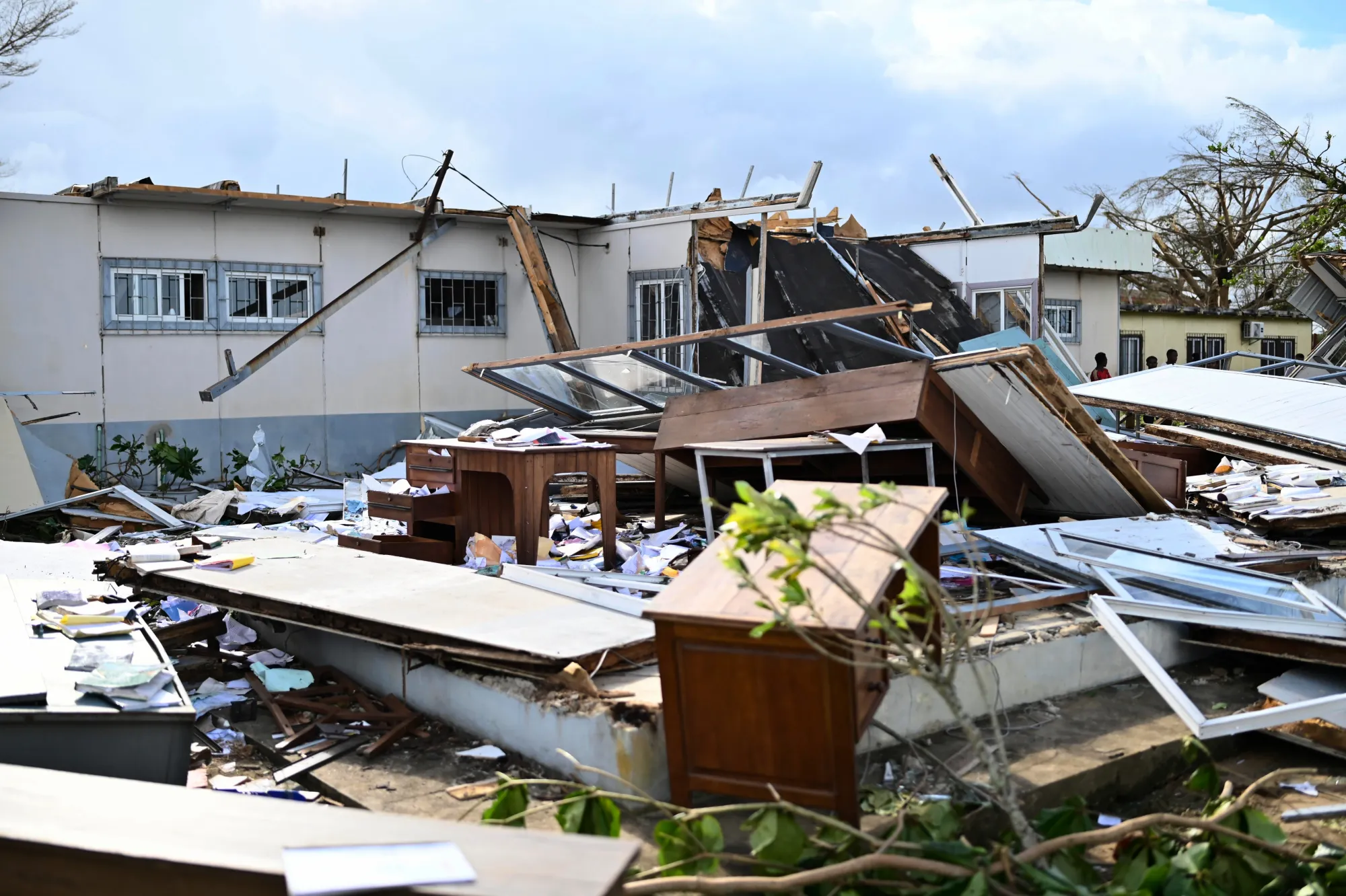
Entire communities were devastated. More than 18,000 homes were destroyed, and over 50,000 more were damaged or flooded as floodwaters and gale-force winds pummeled vast swaths of the eastern regions.
Thousands were forced from their homes: initial displacement figures reached 12,000 people and are expected to rise as assessments continue.




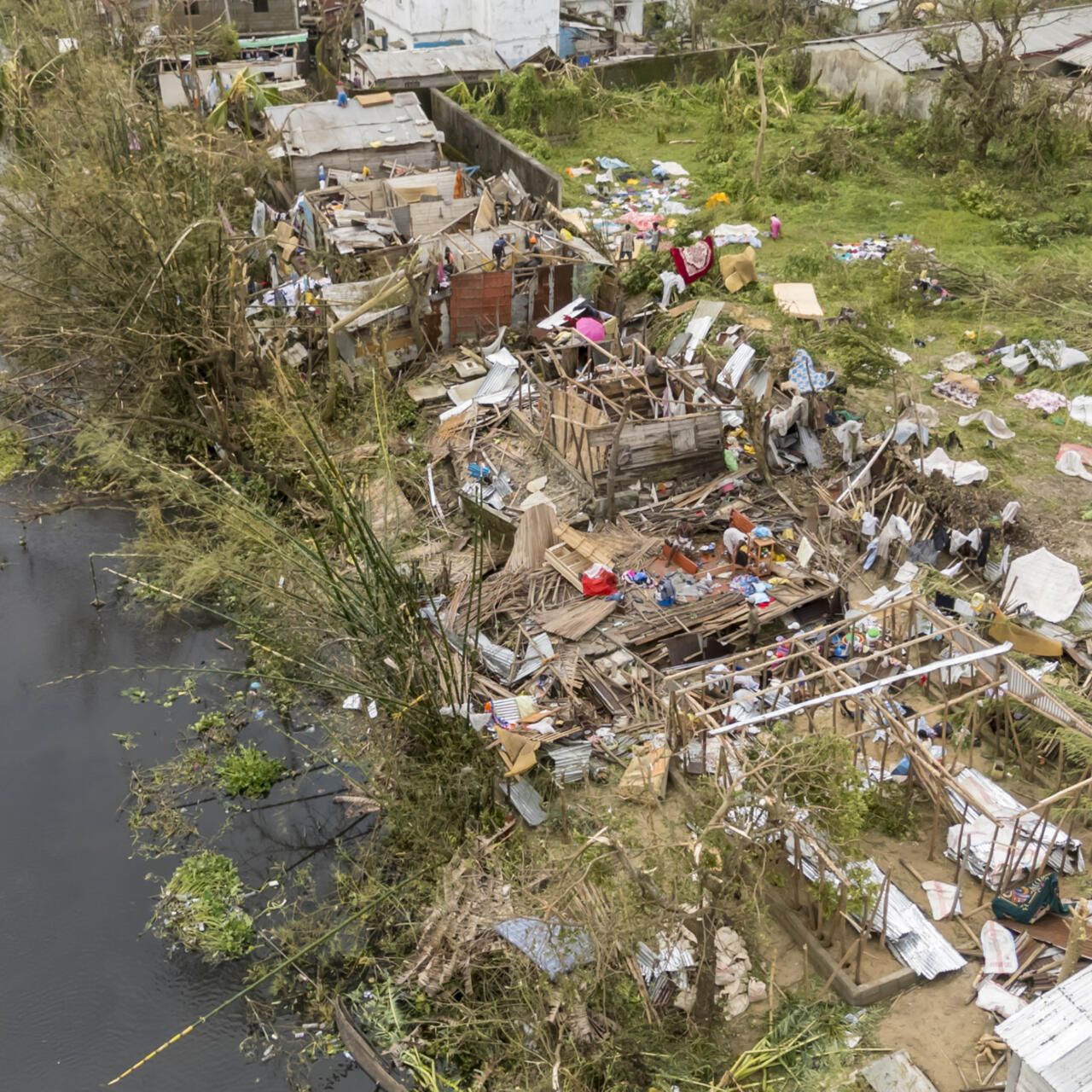
Government officials declared a national disaster, and Madagascar’s leader, Colonel Michael Randrianirina, urgently appealed for international support. He described scenes in Toamasina as “ravaged,” saying that the storm’s most severe impacts had hit up to 75 per cent of the city and its surrounds.
The physical devastation has been matched by mounting social strain. Roads linking Toamasina with the capital, Antananarivo, were cut off in places, complicating relief efforts. Communications were unstable, and debris-filled streets made travel exceedingly difficult.
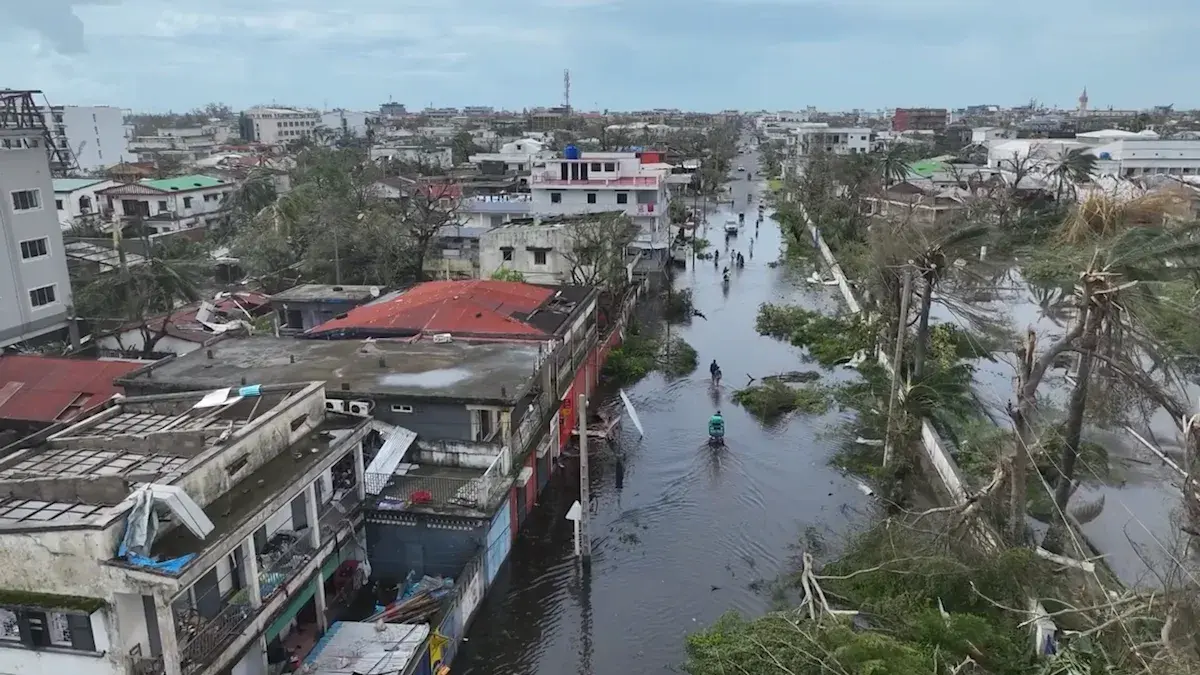
Cyclone Gezani compounded a perilous season for Madagascar. Just weeks earlier, Cyclone Fytia struck the northwest of the island, killing at least 14 people and displacing tens of thousands.
For a country of about 31 million people where many live in structures ill-equipped to withstand severe storms, the impact has been catastrophic.
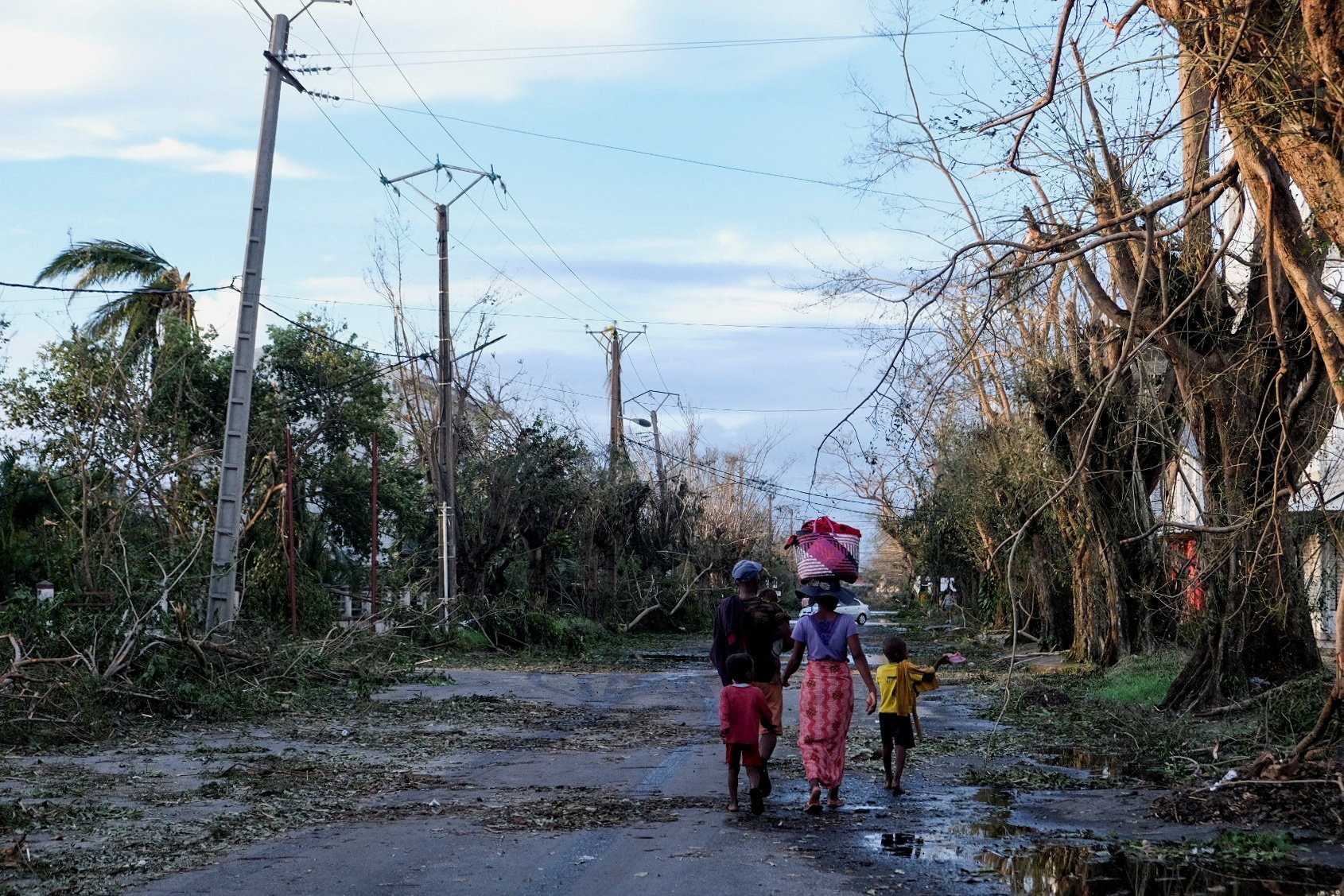
Beyond the immediate destruction, the aftermath carries long-term challenges. Flooding increases the risk of waterborne disease outbreaks. Agricultural land remains submerged in many low-lying communities. As international aid begins to arrive, questions about reconstruction funding and climate adaptation loom large.
For families who lost homes, livelihoods, and loved ones, the cyclone’s passage is more than a weather event. It is a stark reminder that in a warming world, the destructive power of nature no longer arrives as a rare shock but a recurring trial.