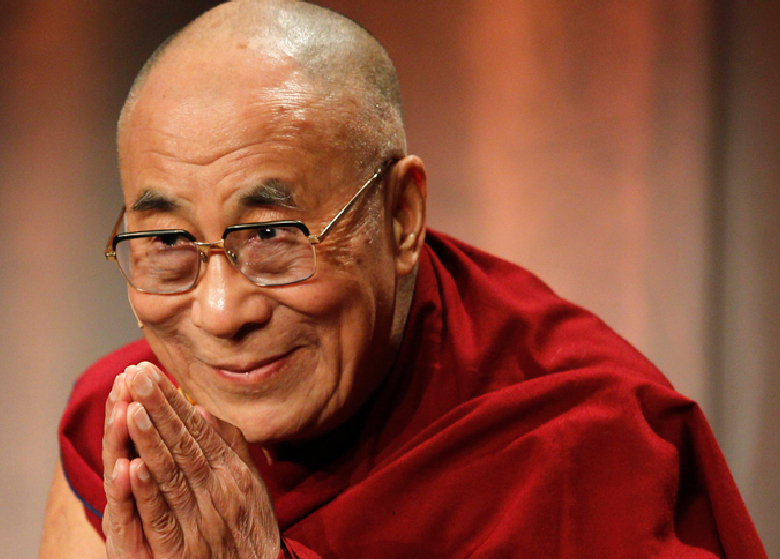



China has criticised the Recording Academy after the Dalai Lama won a Grammy Award, accusing organisers and artists of turning a cultural honour into a political statement. The reaction followed the Tibetan spiritual leader’s unexpected victory in the audiobook category at this year’s ceremony in Los Angeles.
The 90-year-old Nobel Peace Prize laureate received the Grammy for ‘Meditations: The Reflections of His Holiness the Dalai Lama’, a spoken-word project that blends reflections on compassion, mindfulness and global responsibility with music by a range of international artists. Beijing said it opposed what it described as the use of artistic platforms for “anti-China political manipulation”.
Speaking at a regular press briefing, Chinese foreign ministry spokesperson Lin Jian said China firmly rejects any attempt to politicise international cultural awards. His comments underscored Beijing’s long-standing position on the Dalai Lama, whom it continues to label a separatist.

The award was accepted on the Dalai Lama’s behalf by musician Rufus Wainwright, one of the contributors to the project. In a message shared on social media, the spiritual leader said he received the honour “with gratitude and humility”, adding that he viewed it not as a personal achievement but as recognition of shared human responsibility.




The Grammy win places the Dalai Lama in an unusual position within the entertainment world, extending his influence beyond religious and political spheres into global cultural recognition. The album features musical contributions influenced by classical and contemporary traditions and aims to reach audiences well beyond Buddhist communities.
Born Tenzin Gyatso, the 14th Dalai Lama has lived in exile in India since 1959 after fleeing Tibet following a failed uprising against Chinese rule. He has consistently advocated non-violence and greater autonomy for Tibet, a stance that has kept relations with Beijing deeply strained for decades.
The Chinese response to his Grammy success also comes against the backdrop of renewed tensions over succession. Last year, the Dalai Lama confirmed plans to name a successor, reigniting debate over who has the authority to determine the next spiritual leader.
While Tibetan Buddhist tradition holds that the Dalai Lama is reincarnated after death, Chinese officials insist any succession must comply with Chinese law and receive government approval.