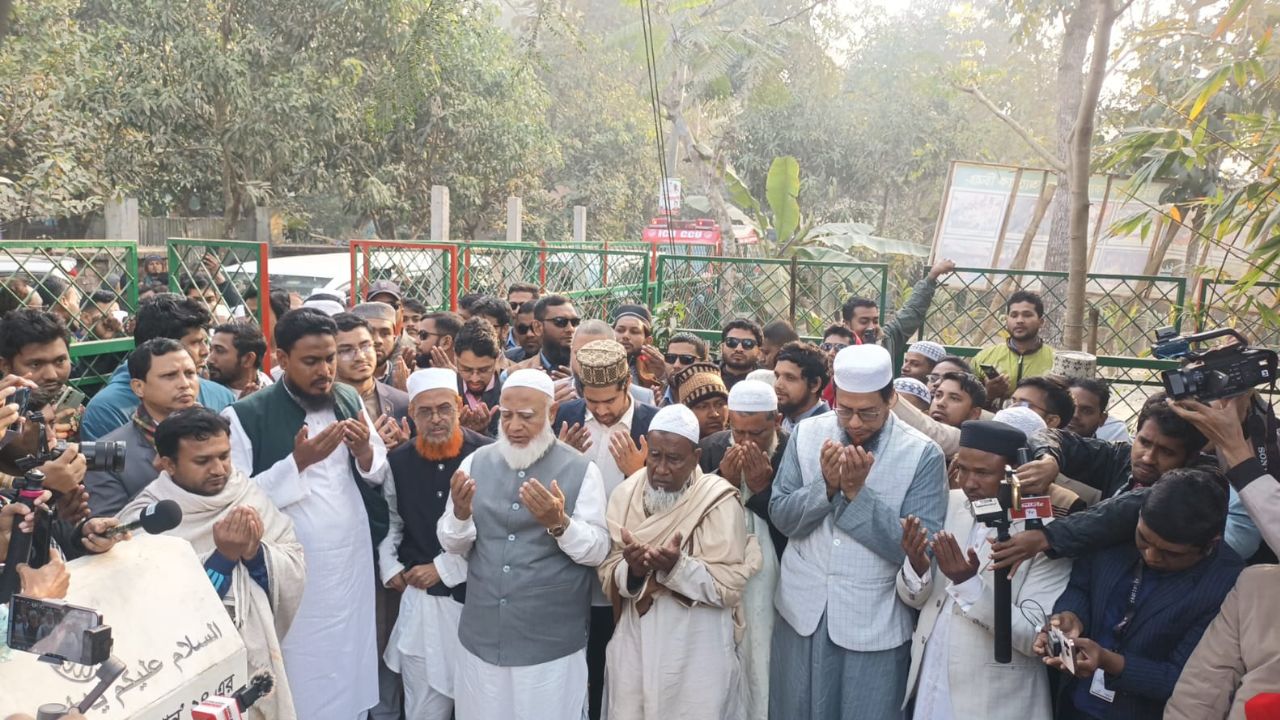



Jamaat-e-Islami Ameer Shafiqur Rahman has sought public support for party candidates, pledging a justice-based system of governance “like Medina,” with strict accountability, industrial revival, and protection of life, property, and dignity, while warning of tough action against corruption and lawlessness.
Addressing separate election rallies in Satkhira and Khulna on Tuesday, he described Jamaat as a “greatly oppressed party,” saying his campaign was not for party power but for victims of killings and enforced disappearances, as well as widows, orphans, and people affected by extortion, syndicates, and financial crimes.
Recalling his visit to Satkhira, Rahman said he stood with families of those killed, widowed women, and children waiting for fathers who never returned, adding that he saw “drops of blood” rather than tears and called the dead “martyrs.”

He alleged that Satkhira has suffered the highest number of killings among districts and accused previous governments of deliberate deprivation, saying the area was treated “like a stepchild,” with roads and development neglected because residents stood for justice and Islam.
Rahman said Jamaat leaders were killed, executed, jailed, stripped of registration and their symbol, and eventually banned, while homes in Satkhira were demolished, adding that despite this, the party chose restraint after 5 August and instructed workers not to engage in extortion, land grabbing, or harassment through cases.


Calling for votes, he urged voters to “gift the seats” of Satkhira to establish justice, fairness, and “governance like Medina,” pledging zero tolerance for corruption and warning looters of public money that “there will be no mercy.”
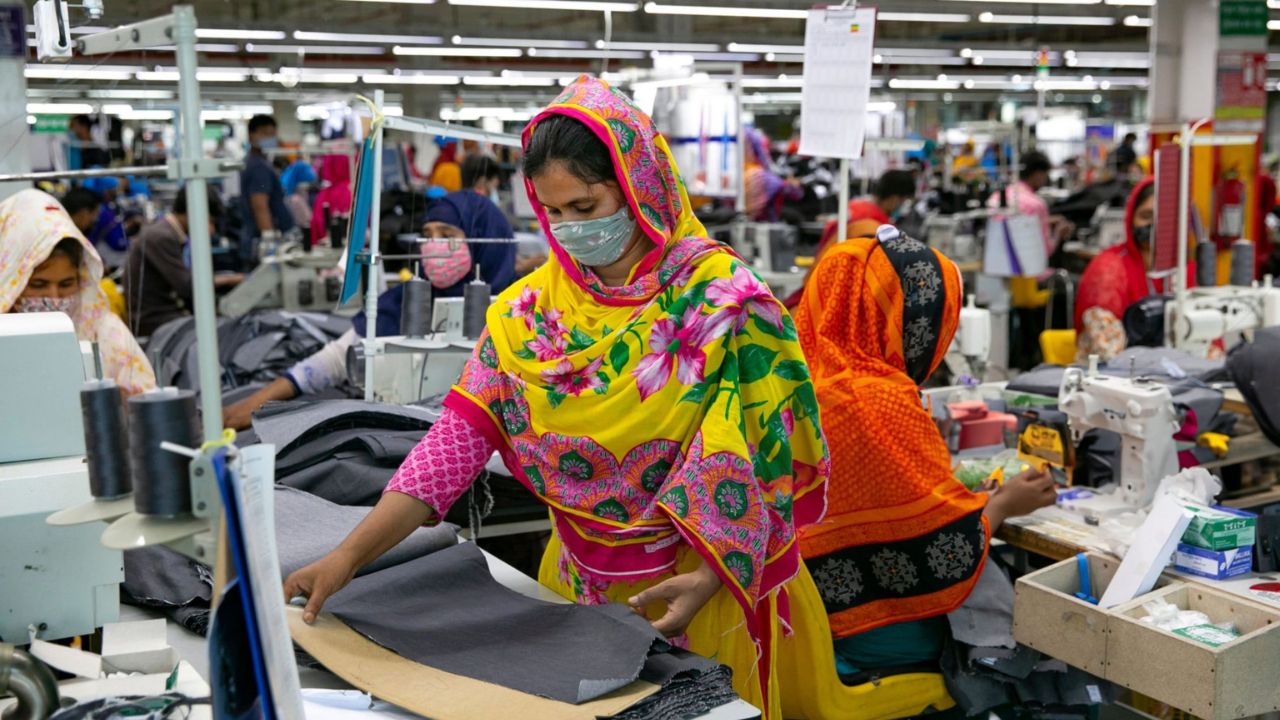
In Khulna, he focused on industrial decline, saying the region, once known as an industrial hub, now faces factory closures and unemployment, and pledged to reopen closed factories, establish new industries, and ensure safe workplaces for men and women, with appointments based on merit regardless of religion.
He rejected unemployment allowances, promising training and dignified jobs instead, and assured women’s safety and dignity, protection for minorities, and equal accountability, warning that while Jamaat does not seek conflict, those creating chaos “will not be spared.”
Framing the 12 February vote as decisive, the Jamaat chief said, “Yes means freedom, no means slavery,” urging voters to back justice, fairness, and a Bangladesh free from oppression and corruption.