Sadiqe Al Ashfaqe
Nazirartek in Cox’s Bazar has emerged as Bangladesh’s largest dried fish production hub, generating an estimated 50,000 to 60,000 tonnes of shutki each season in a trade valued at more than Tk400 crore, according to traders and producers.
Spread across nearly 100 acres along the Bay of Bengal shoreline, the sun-drying yards support thousands of workers and traders, making the cluster a key economic engine for coastal livelihoods beyond the tourism economy.

Industry participants said fish sourced from deep-sea trawlers and coastal boats are cleaned, processed and sun-dried using traditional methods, with drying typically taking around five days under favourable weather conditions.
Local traders estimate the industry sustains hundreds of thousands of livelihoods directly and indirectly through fishing, processing, transport and wholesale trading.
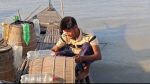

Workers begin before dawn and continue through long hours of intense heat, with daily earnings tied to output, while fishermen often remain at sea for days at a time to secure sufficient catch amid unpredictable conditions.
Nazirartek processes more than 25 species of fish, including pomfret, ribbonfish, coral fish and shrimp, with producers saying minimal or no-salt varieties command higher prices due to perceived quality.
Traders said the market has expanded beyond traditional wholesale channels, with online sales rising in recent years and demand peaking during the tourist season.
Exporters expect strong overseas shipments this season, with dried fish from Cox’s Bazar destined for markets including Hong Kong, Malaysia, Indonesia, Sri Lanka, Singapore and parts of the Middle East.
Despite challenges linked to weather volatility and quality control, stakeholders said Nazirartek’s shutki industry continues to play a critical role in income generation and export diversification, anchoring a traditional sector within Bangladesh’s wider trade economy.