




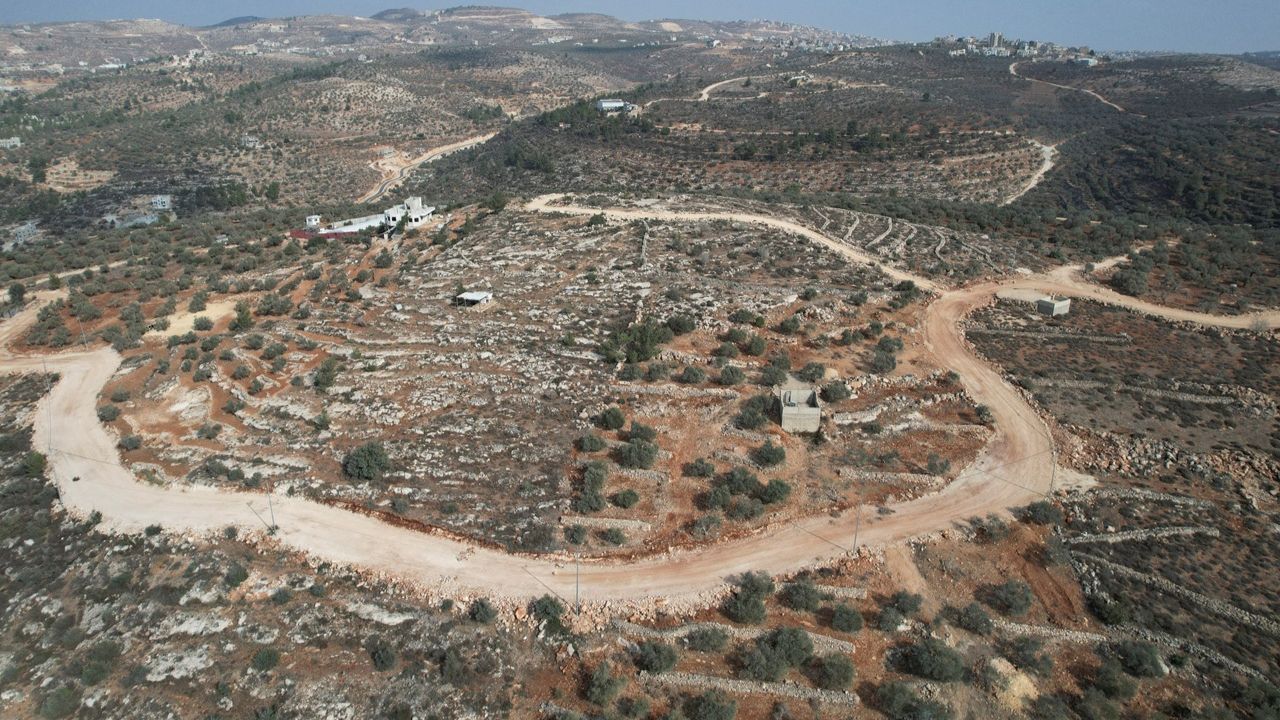

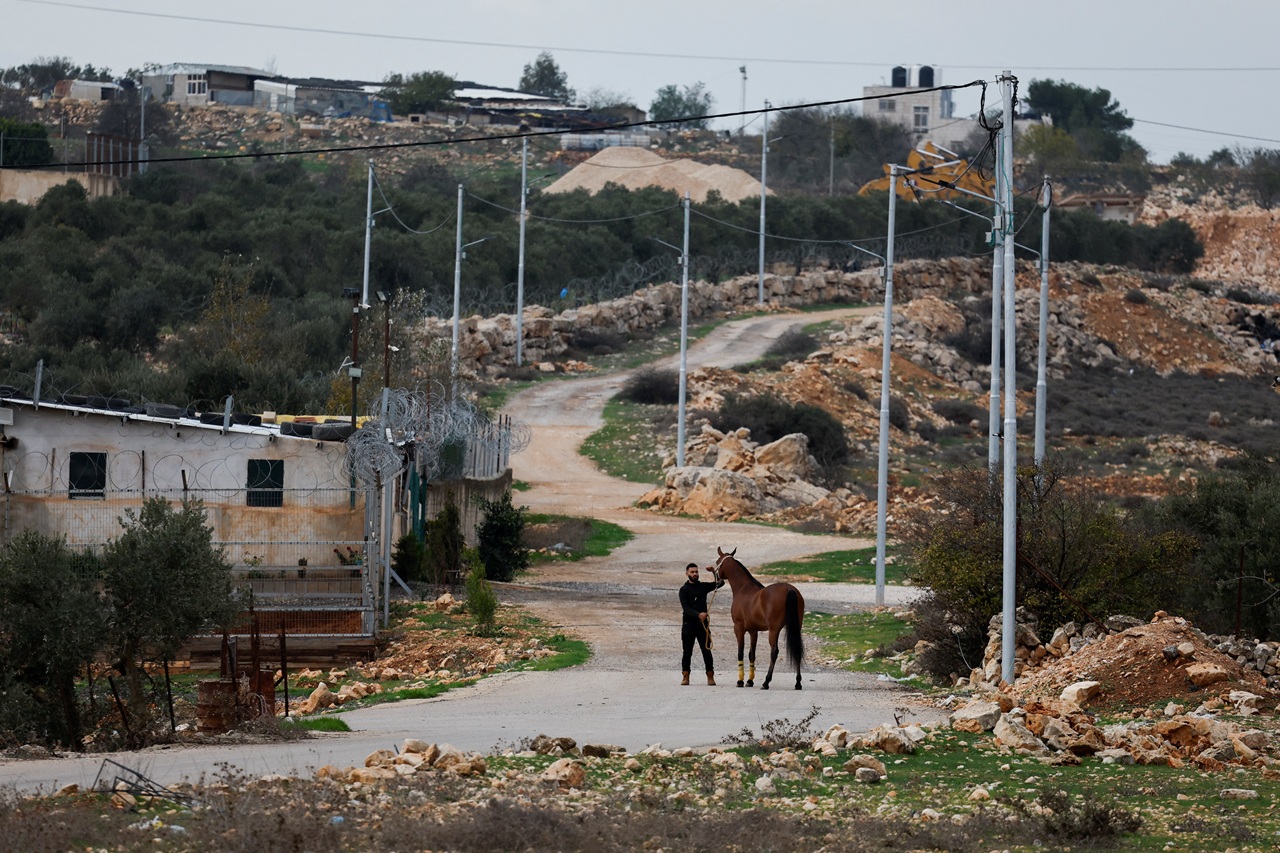
In the rolling hills of the Israeli-occupied West Bank, what appears at first glance to be a handful of ramshackle shelters at the Or Meir outpost conceals a far more calculated effort. Settlers are working to displace Palestinian communities and entrench Israeli control.
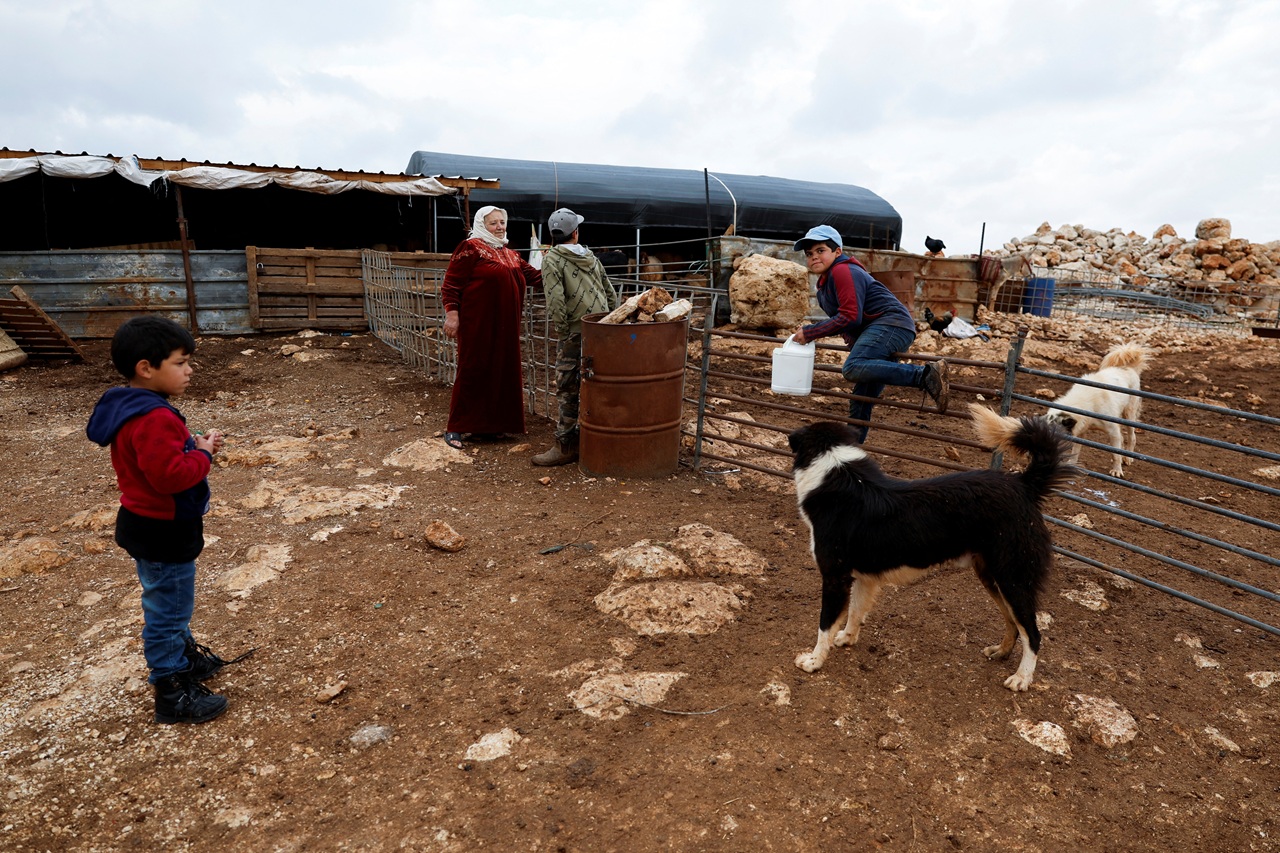
Over the past year, settlers here and in similar unofficial outposts have stepped up coordinated campaigns of violence and land seizure. These actions are reshaping the landscape and could deepen the conflict’s long-standing territorial divides.
Or Meir sits quietly along a dirt track off Road 60, a key artery through the West Bank. Though small, its residents maintain an active presence on social media platforms such as Telegram. They use these platforms not just to share images of grazing flocks but also to broadcast achievements in expanding influence over “strategic” terrain.

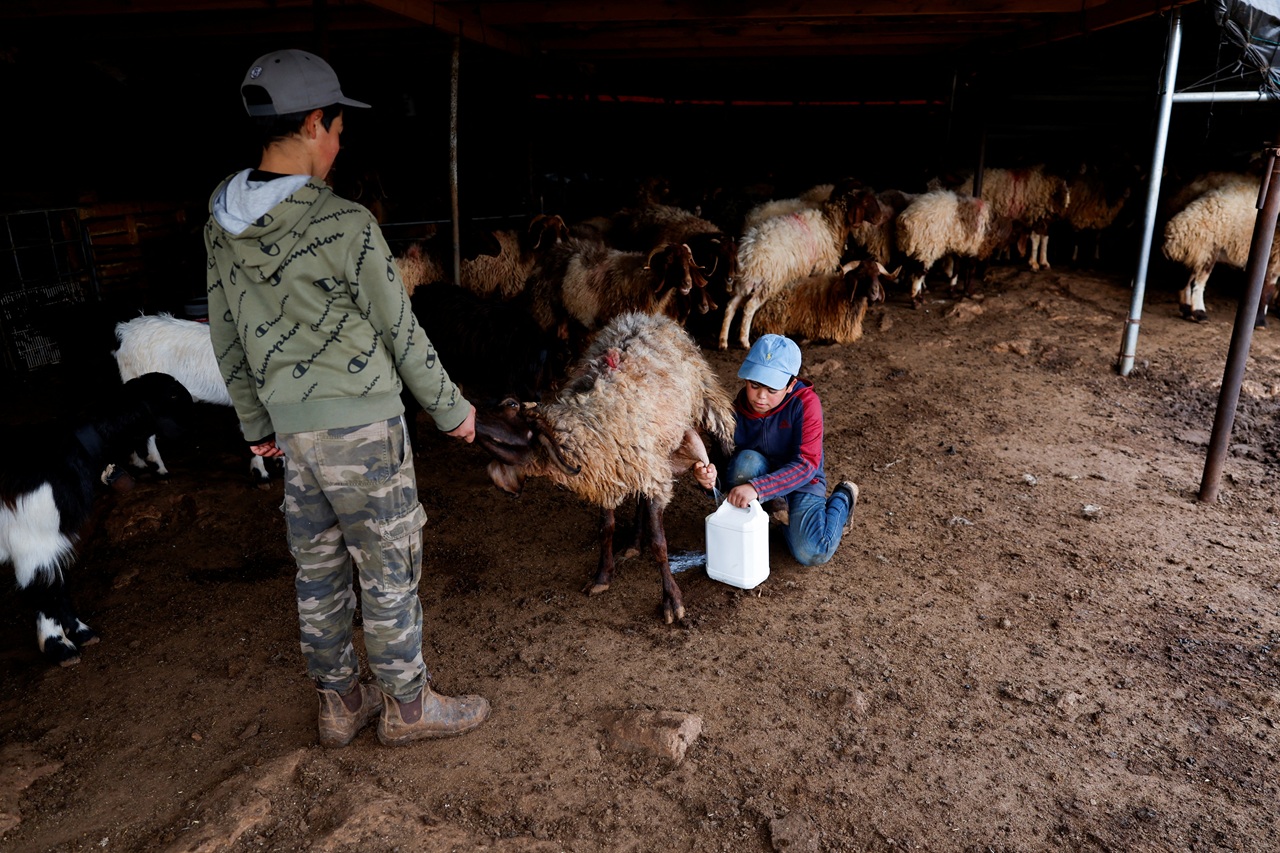
The posts celebrate the squelching of Palestinian presence. Messages on these channels are unapologetic about goals that extend far beyond shepherding. They reflect an organised drive to secure land and push out Bedouin herders and other Palestinian residents who have lived here for generations.
United Nations figures underscore the human cost of this strategy. In 2025, there was one of the highest spikes in civilian-on-civilian violence in years, with more than 750 Palestinians injured in settler attacks across the territory, reports Reuters. At the same time, Israeli NGO Peace Now reported 80 outposts erected, the most in a single year since tracking began in 1991.




In late December, the Israeli cabinet formally sanctioned an additional 19 settlements. Critics see this as a political endorsement of expansion that undermines the prospects of a future Palestinian state.
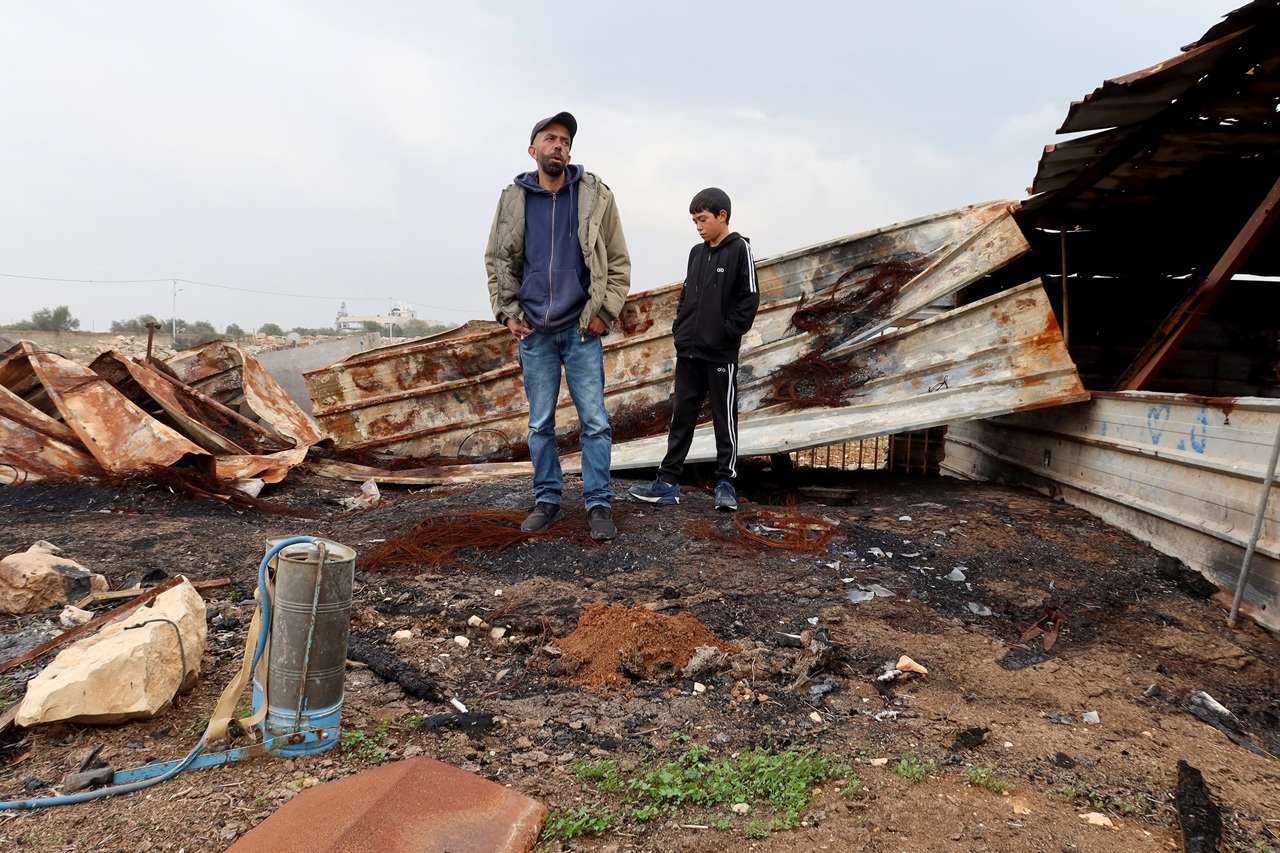
From the perspective of many Palestinians, the pattern is unmistakable. Families driven off their lands speak of Molotov cocktails hurled at homes and barns, leaving charred ruins where livelihoods once stood. Farmers recount attacks by settlers wielding sticks and stones while harvesting olives.
Yet, they see little accountability. Rights groups highlight that formal prosecutions of such violence are rare. This contributes to a widespread perception of impunity.
Israeli authorities sometimes dismantle unauthorised outposts. Yet these often resurface, buoyed by political support and donor funding.
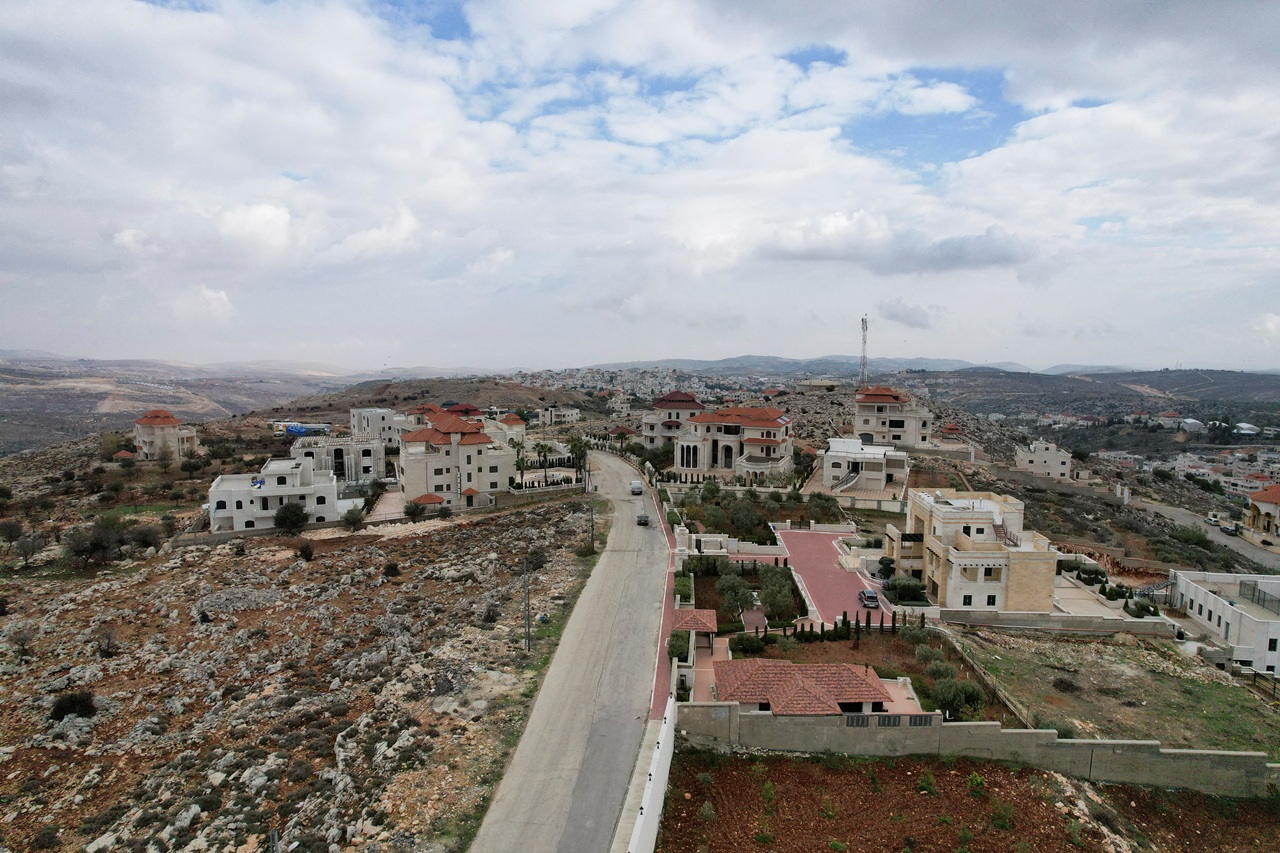
Critics argue that this cycle not only entrenches divisions on the ground but also chips away at the possibility of a negotiated peace. Meanwhile, settlers like those at Or Meir continue to pursue their vision of an expanded presence on hilltops overlooking Palestinian valleys.








