
Amid Dhaka’s unceasing hum, the quiet promise of green respite once belonged to Anwara Park and Panthokunjo Park now stand in limbo. Spaces designed for breath and play, instead of struggling under the weight of infrastructure, neglect and shifting priorities.
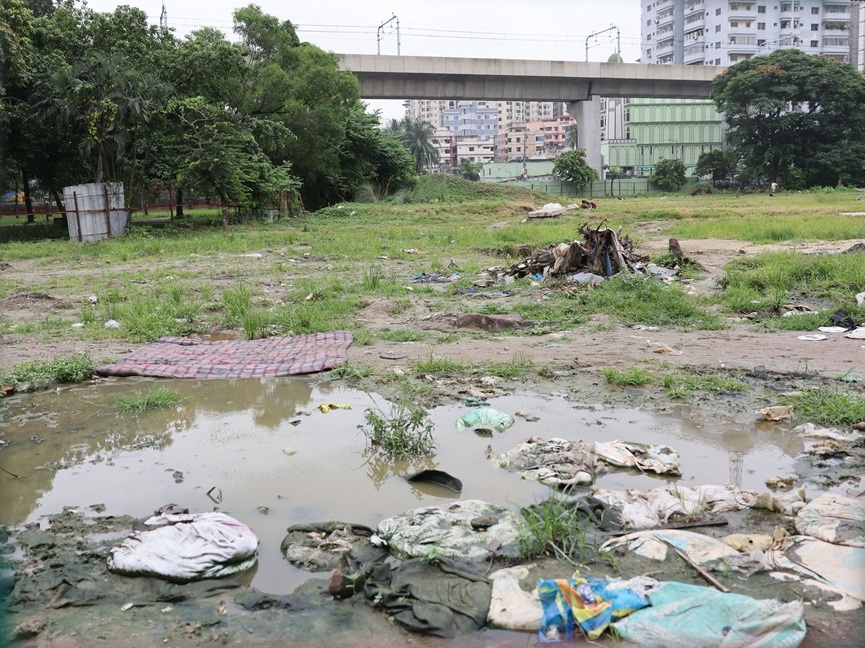
Anwara Park, nestled in Farmgate, holds history in its name. It commemorates the sacrifice of Anwara Begum, killed during the 1969 uprising. Yet today, the lawns and benches that once welcomed children and walkers are mostly gone. Instead, the site has become a storage yard for the Dhaka Mass Transit Company Limited (DMTCL), housing materials for the metro‑rail project.
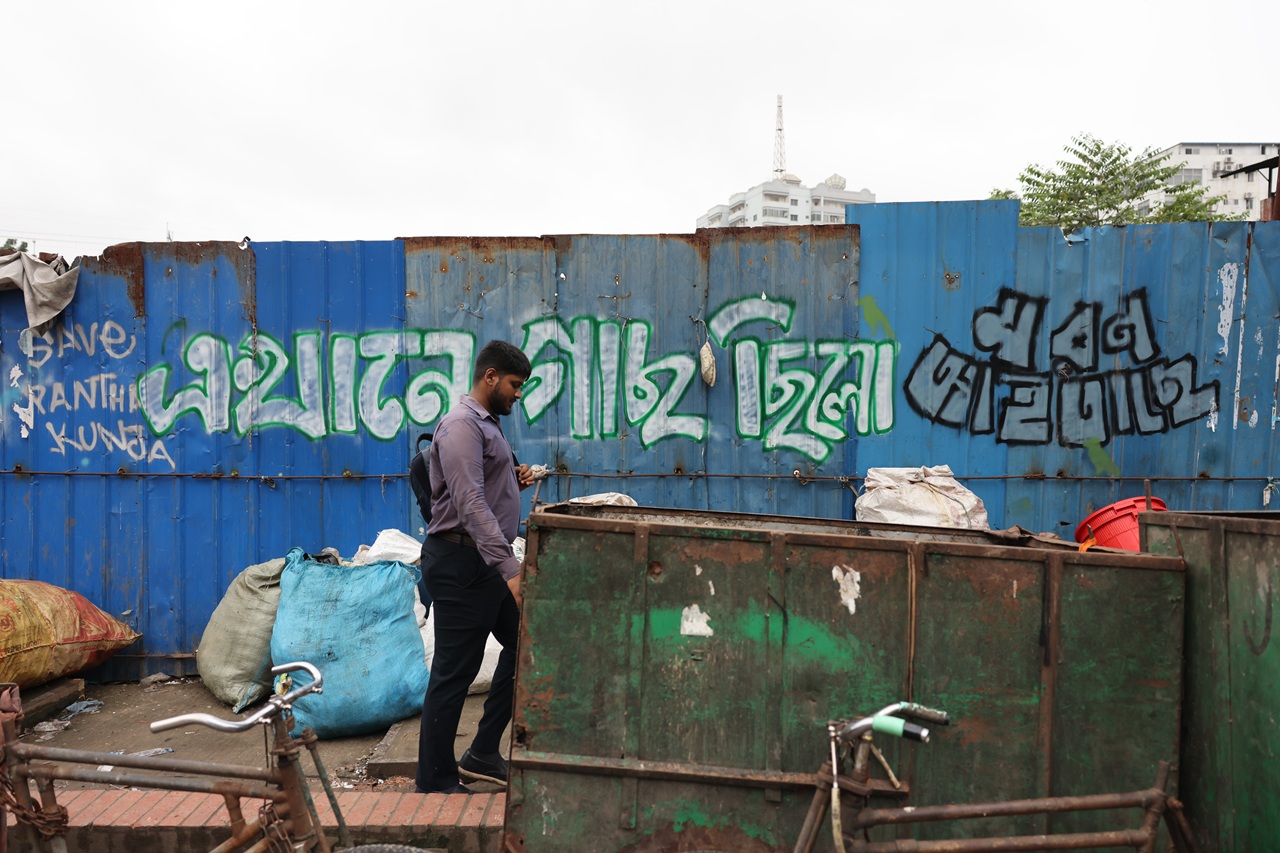
The authorities plan to build a commercial “plaza” with shops, cafes, and entertainment facilities, essentially replacing open green space with built‑up commerce. Residents and City Corporation officials oppose this shift. People called the park “the lungs of Farmgate” and pleaded for its preservation. A park meant for people is being repurposed for profit and infrastructure.

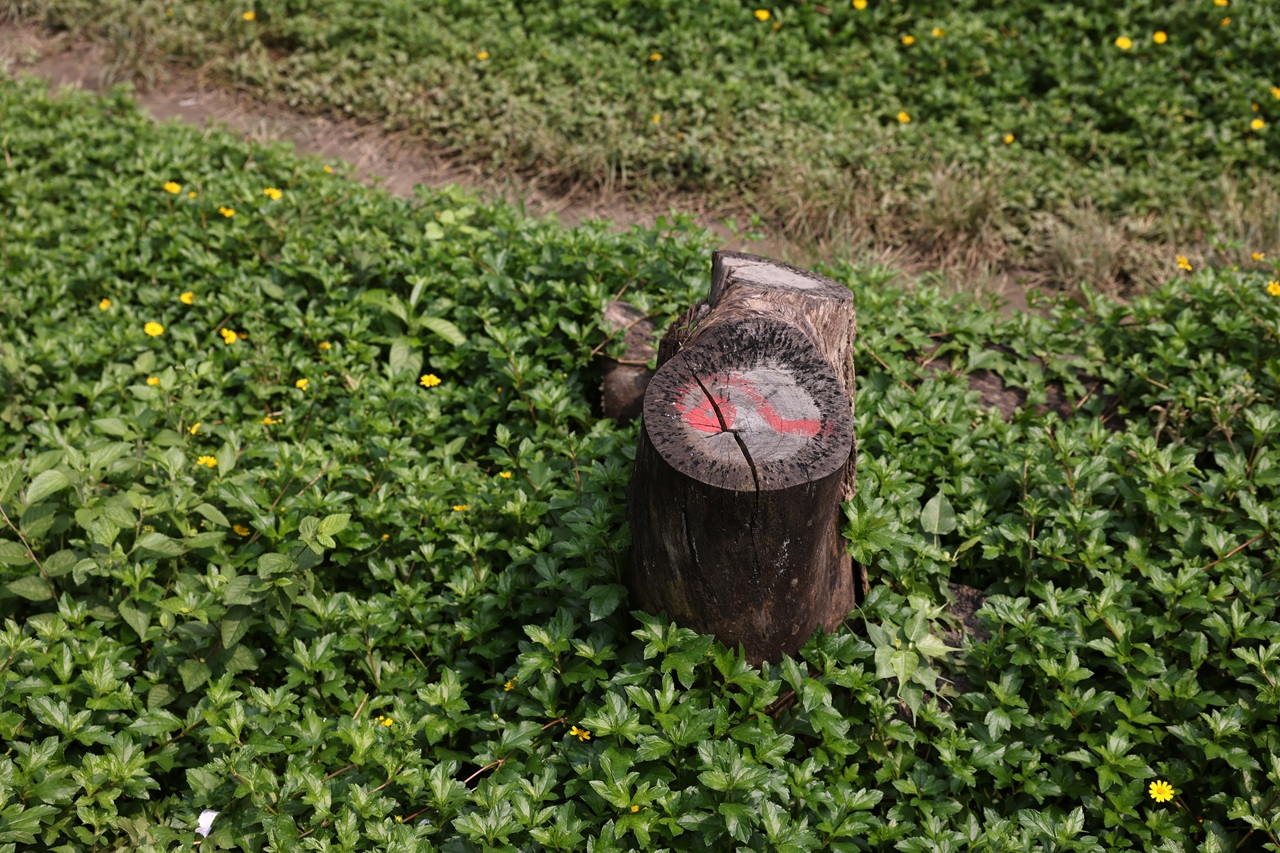
Panthokunjo Park offers a parallel story. A 5.39‑acre green space, adjacent to the Hatirjheel, suffering tree‑cutting, land‑filling and conversion for infrastructure. What was once a place for play and leisure is now becoming a “wasteland,” partially subsumed by bigger projects. At a time when Dhaka’s children have ever fewer safe outdoor spaces, allowing one large park to slip away seems especially reckless.


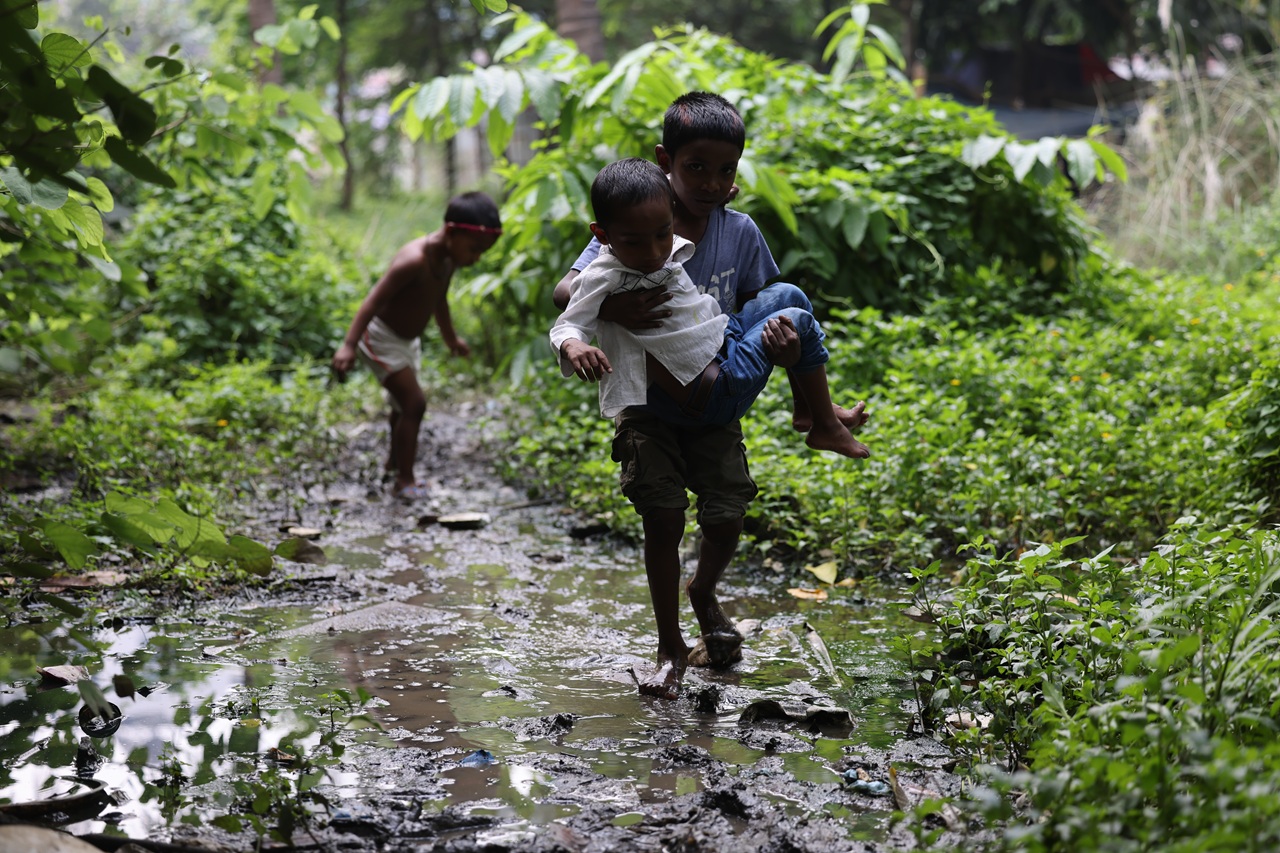
Both parks highlight a worrisome theme: in a city starved of fresh air and green corners, even the few remaining are under threat. Open fields are essential for community, for children’s freedom, for quiet moments in a city that rarely pauses.
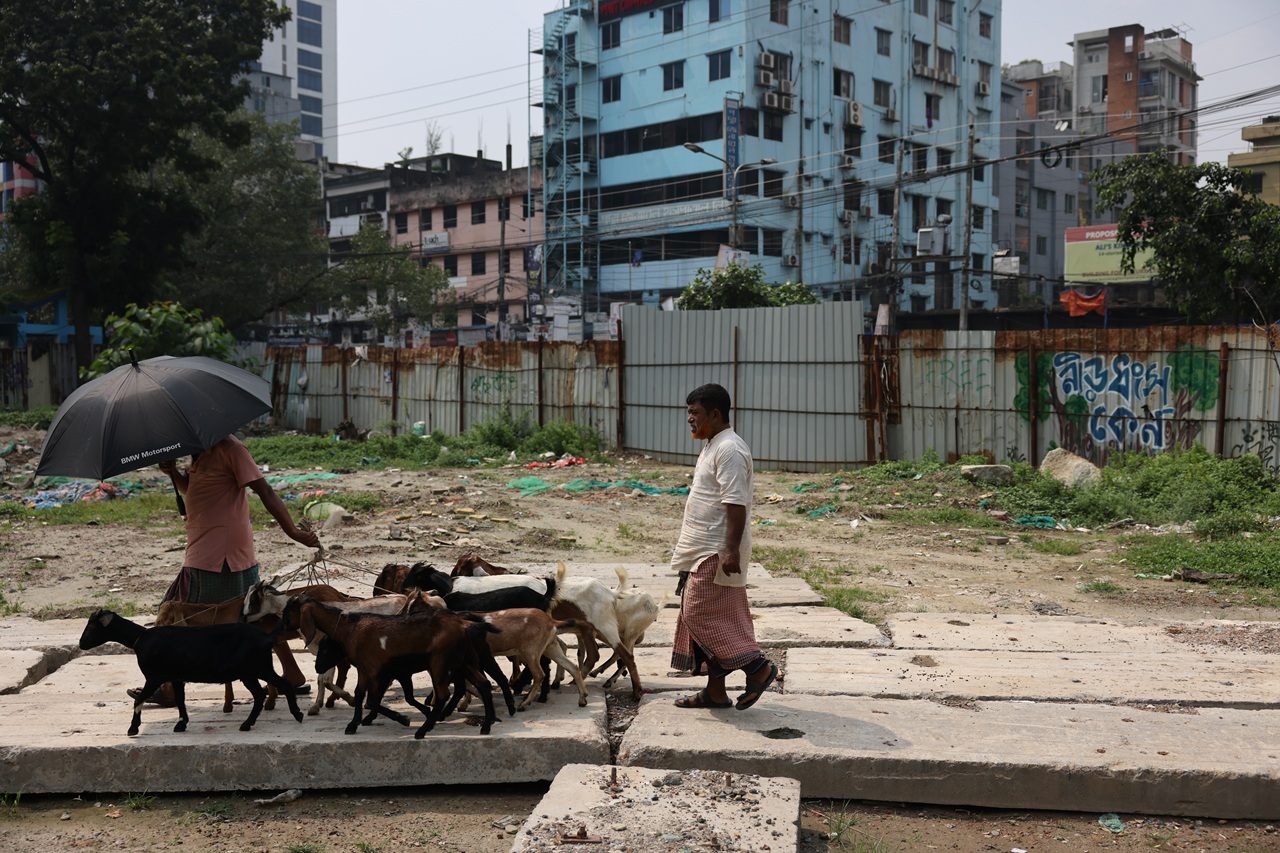
Anwara Park’s fate would replace a memorial and open ground with plaza‑style commerce; Panthokunjo’s fate edges toward being swallowed by the over‑arching infrastructure machine. The memory of laughter, of kids running and families gathering, fades when playgrounds vanish and trees fall.
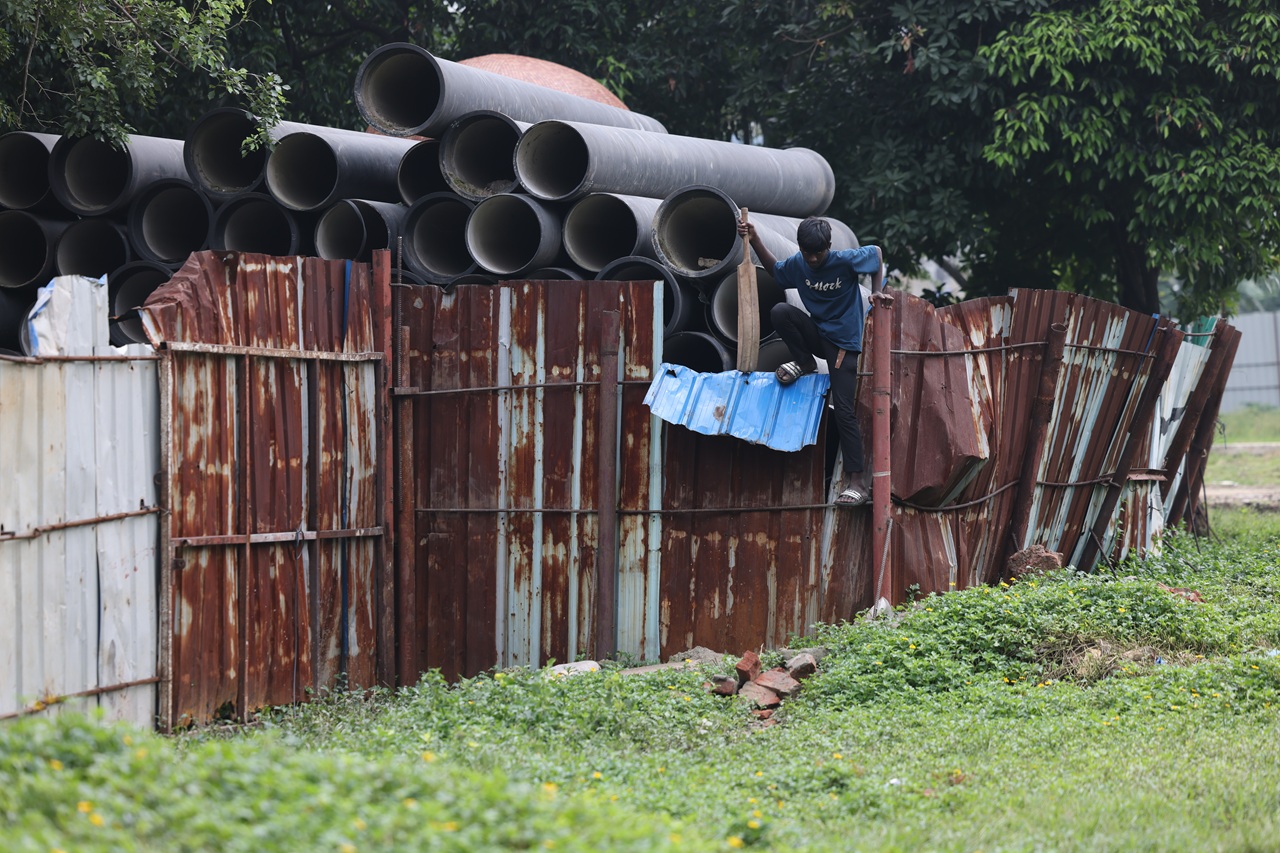
But there is still a chance. Residents remember what these lawns were for, and urban planners and historians chide the idea that “development” must always mean more concrete. If the Public Works Department and local corporations choose to act, these parks can still be reclaimed. Preservation, restoration and community stewardship could give these places the second life they were always meant for.
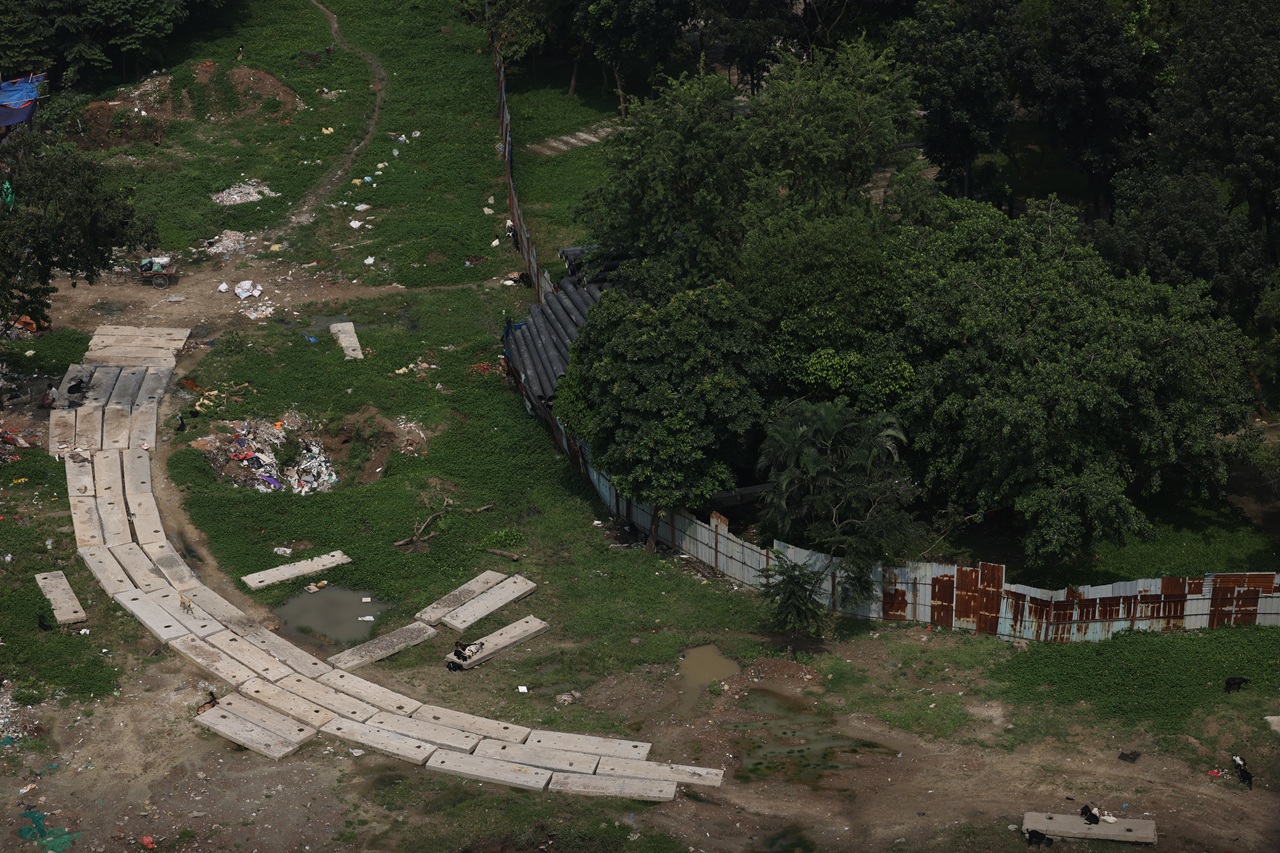
Dhaka deserves this. For the city’s children. For its weary working parents. For everyone who needs a moment under a tree instead of under a traffic light. The question isn’t just whether Anwara Park and Panthokunjo Park will vanish. It’s whether Dhaka will still value the green spaces that give its people room to breathe.