
When winter arrives in Dhaka, the city doesn’t just turn cold. It turns dusty. Every morning, residents wake up to a grey, choking haze. This isn’t only smog but dust. Fine particles hanging in the air, turning every breath into a struggle.
What many brush off as “just dust” quietly disrupts daily life. It damages health, reduces visibility, and slows the city down. Winter makes the problem worse. There is little rain. Loose soil, sand, and construction debris are never washed away. They stay suspended in the air.
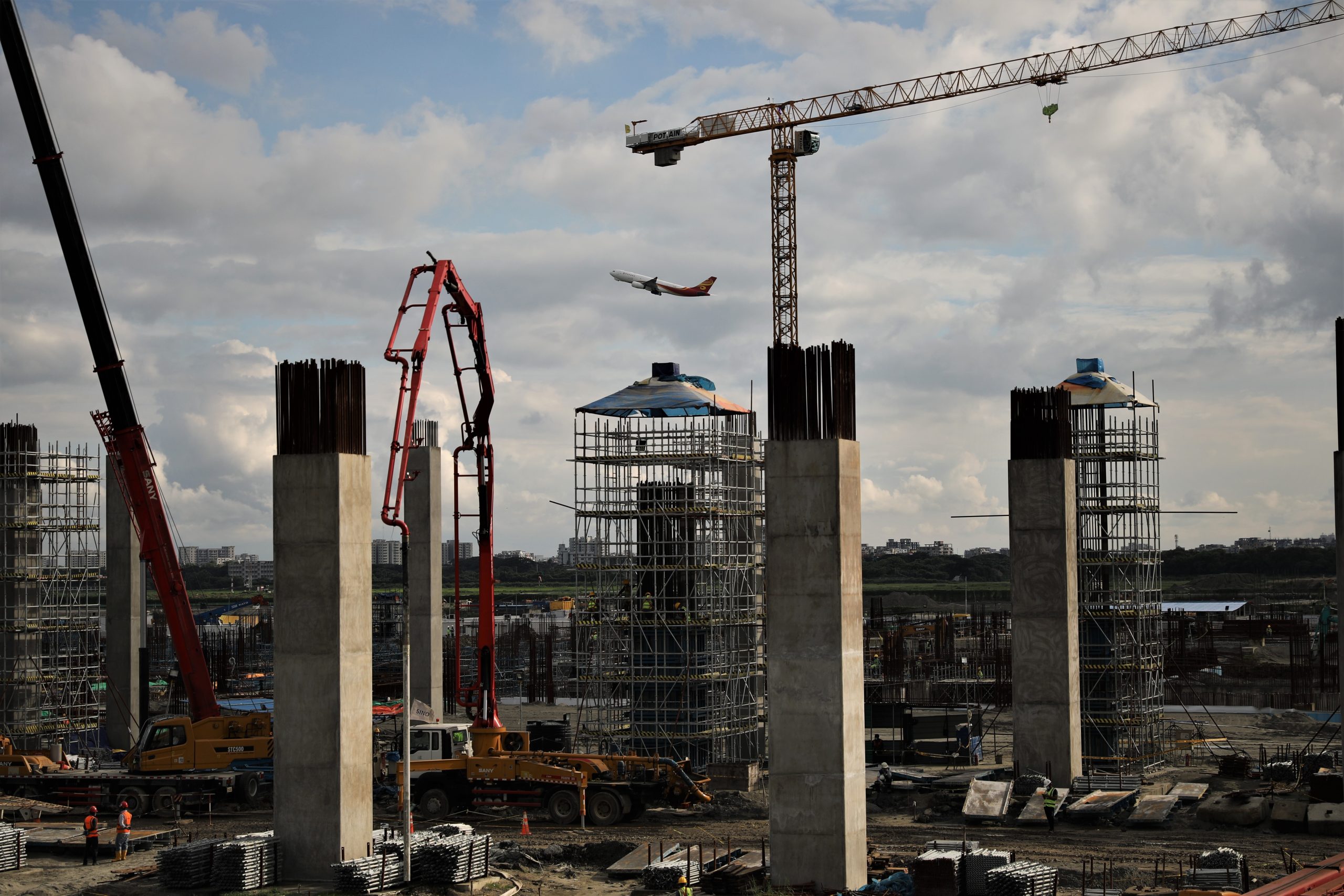
Vehicles passing through broken and unpaved roads lift dust constantly. Rush-hour traffic acts like a giant broom. Dust rises, settles and rises again.

Road dust, however, is only part of the story. Across Dhaka, construction never stops- high-rises, flyovers, utility projects. At many sites, sand and materials remain uncovered. Water spraying is rare, and basic dust control is ignored.

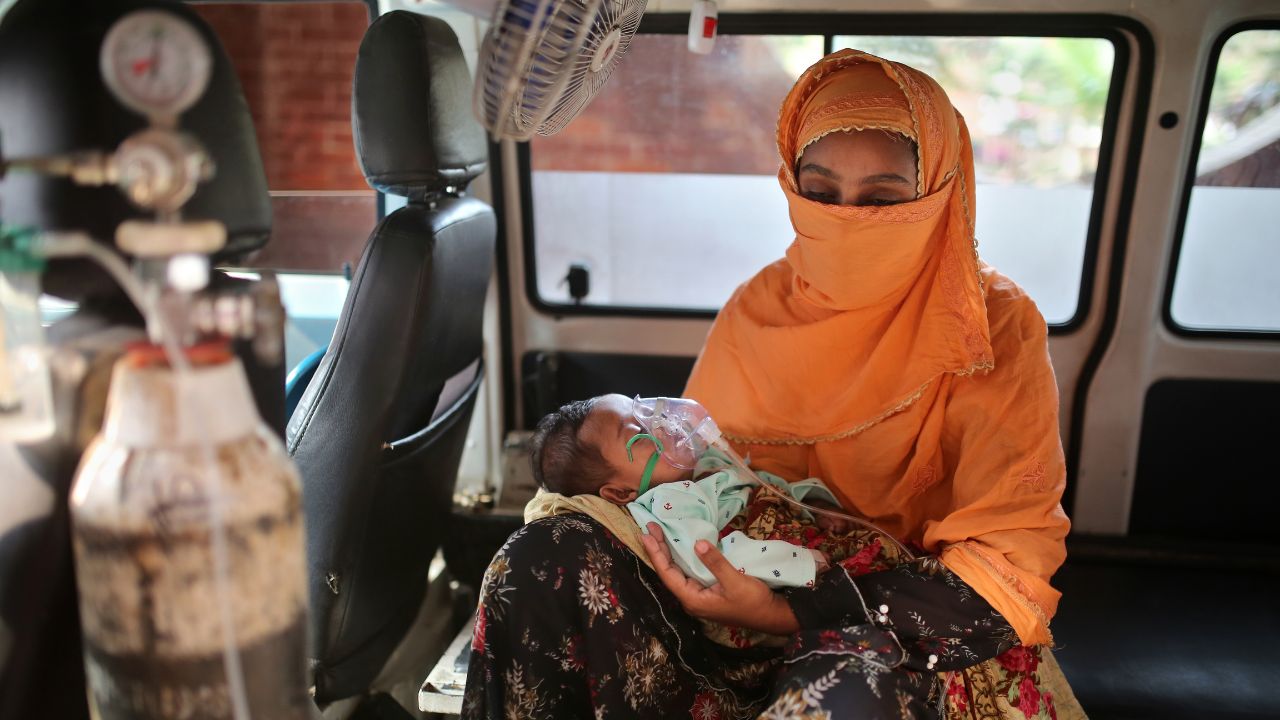
Every dig, every truckload, every step sends more dust into the air. This dust is not harmless. It feeds the city’s particulate matter crisis. These particles slip deep into the lungs. Some enter the bloodstream. Doctors warn that they worsen asthma, bronchitis, and heart disease.



People feel it every day. The scratchy throat after crossing a busy road. The layer of dust on furniture by evening. Children are coughing more in December, and older people are staying indoors.

For many residents, masks are no longer optional; they are essential. The burden is not shared equally. Poor neighbourhoods suffer more. Unpaved lanes are common, and street cleaning is irregular.
Markets, bus stops, and roadside tea stalls become dust traps. People with fewer resources face greater health risks. Healthcare is harder to access. The impact is heavier.
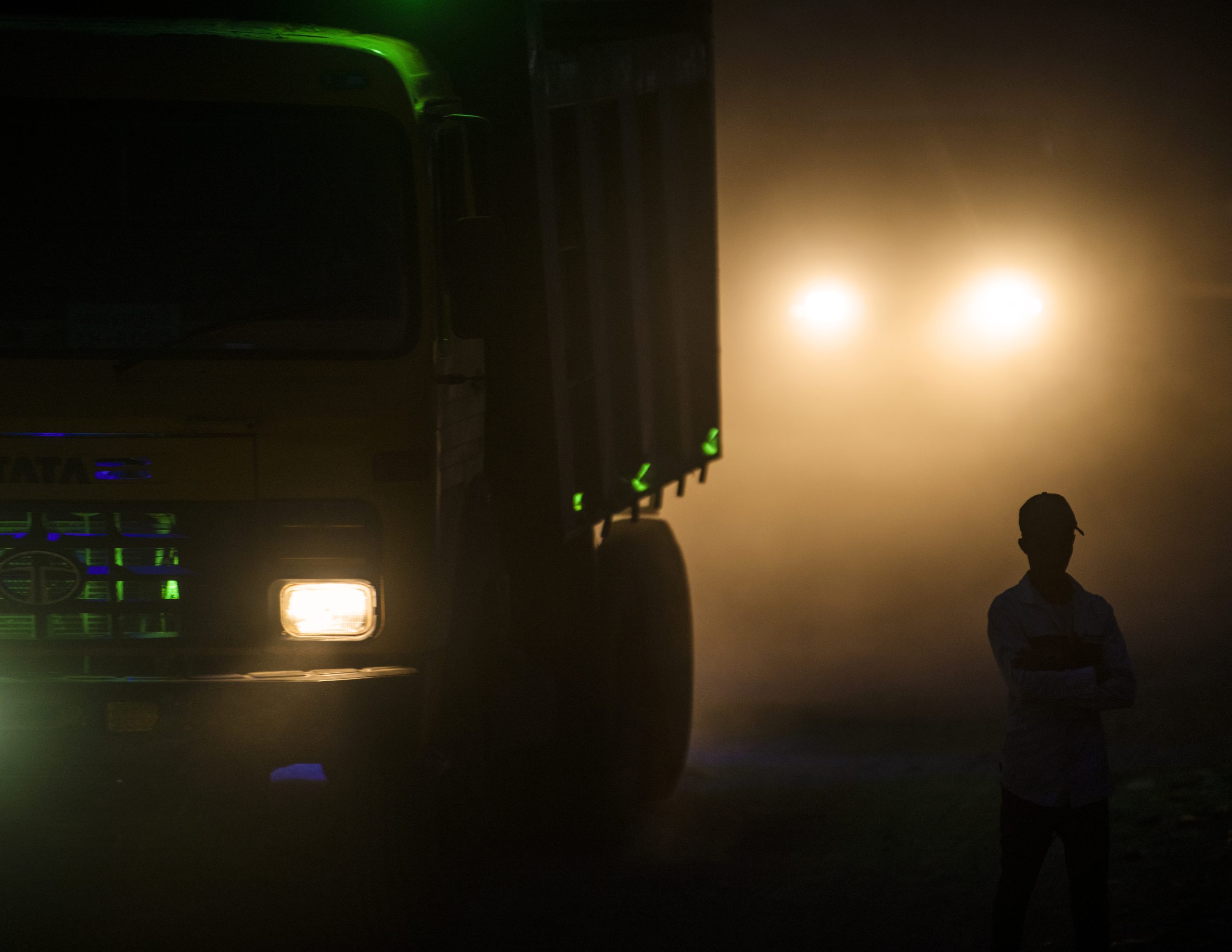
Dust in Dhaka is not a seasonal fate but man-made. Roads are dug repeatedly. Repairs are slow and uncoordinated, sand piles remain exposed, and construction waste blows freely.
Without strict control, the cycle continues. Water spraying at sites, covered materials, paved roads and regular sweeping. These are not luxuries but necessities.
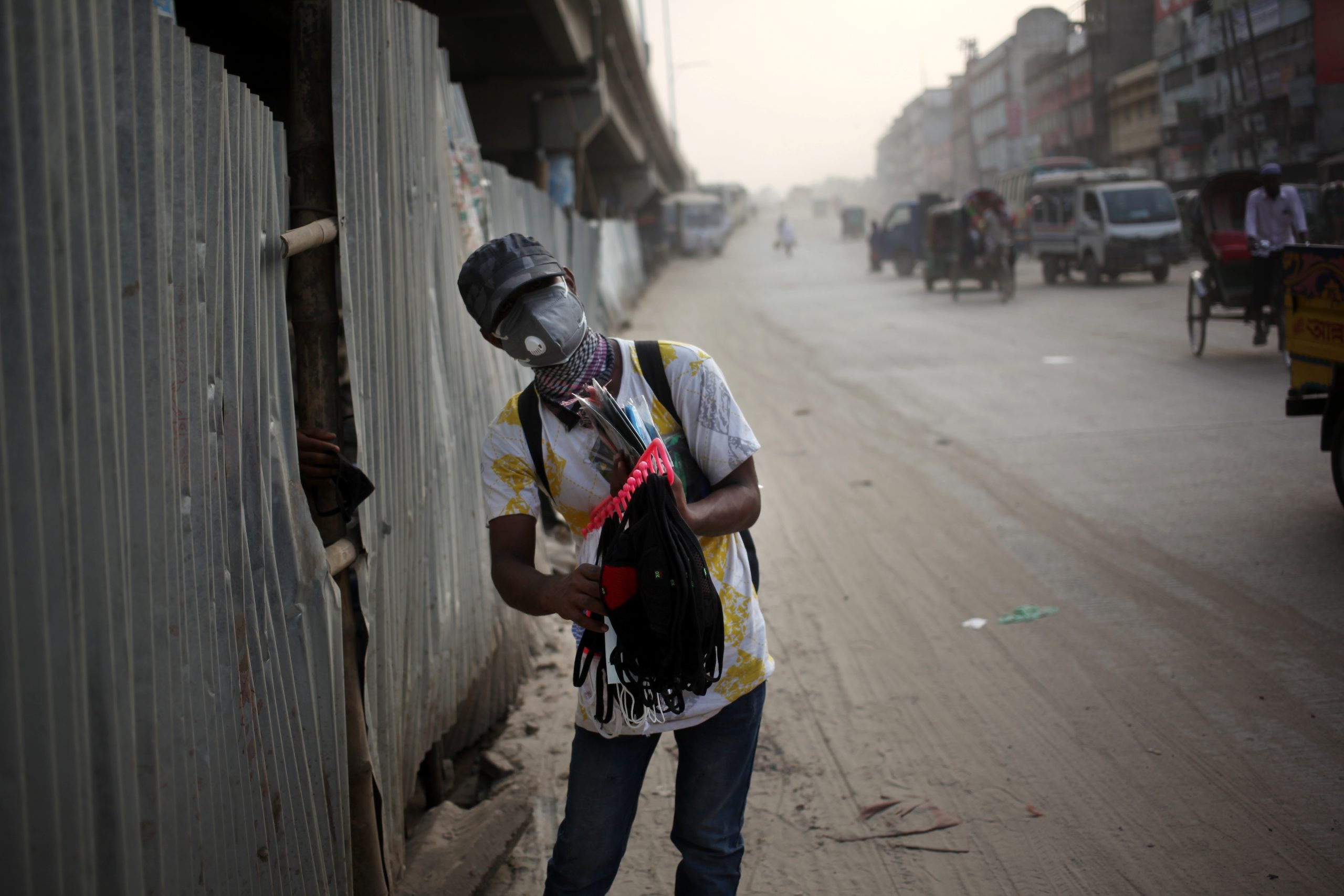
Photo: Syed Mahamudur Rahman/TIMES
If Part 1 showed how toxic haze steals the city’s breath, Part 2 shows how dust tightens the grip. This is not just an environmental issue. It is about public health, urban responsibility and reclaiming the air together.