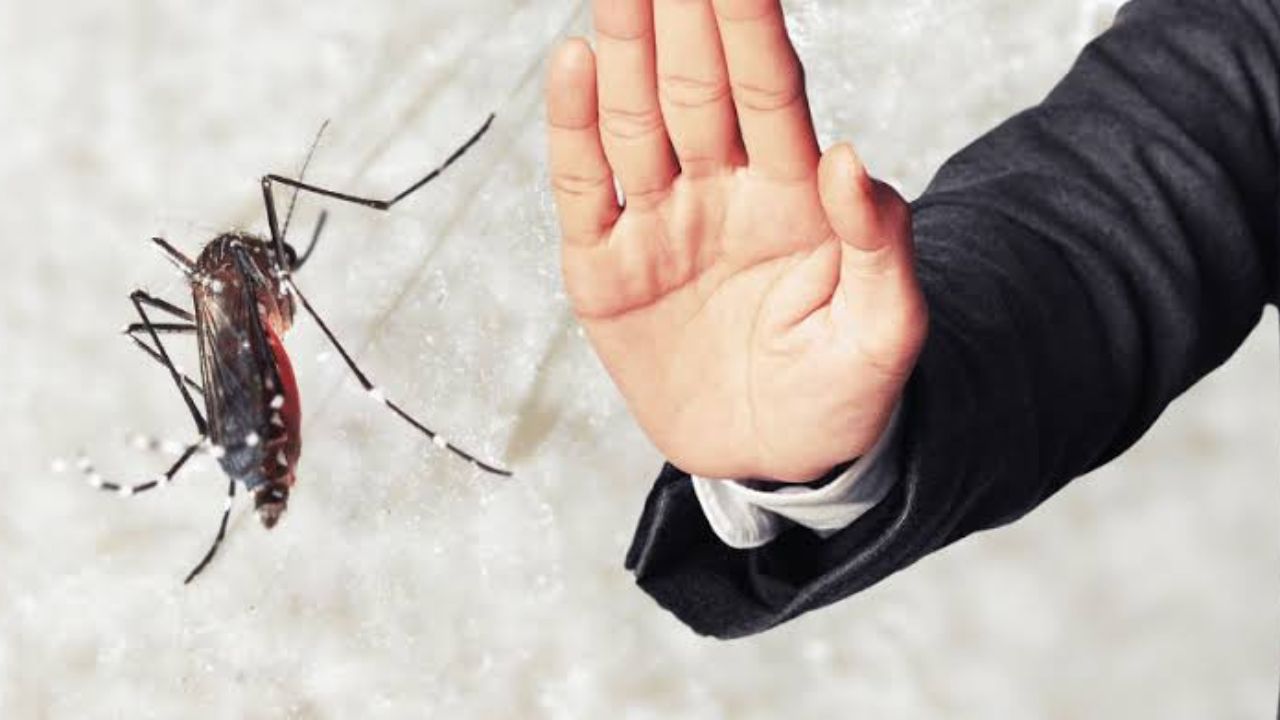



Although a buzzing mosquito might seem like a singular nuisance, these insects are biologically diverse, and only a small fraction of the world’s 3,500 species can transmit human pathogens.
Observed annually on 20 August, World Mosquito Day commemorates Sir Ronald Ross, the British physician who in 1897 discovered that mosquitoes transmit malaria, laying the foundation for modern vector control.
To protect against the pathogens they carry, public health officials focus on three primary groups – Aedes, Anopheles, and Culex – each exhibiting distinct biting times, breeding habits, and disease profiles.
Three major genuses and their unique behaviours
The first crucial group is the Aedes mosquito, with Aedes aegypti being a highly significant species to know in urban environments. This mosquito is the primary vector for dengue and chikungunya, and it can also transmit yellow fever and Zika where those viruses circulate.
Aedes mosquitoes are daytime biters, with peak activity occurring during the early morning and the hours just before sunset, meaning that protective measures must extend beyond bedtime.

They thrive near human habitats by laying eggs in minute pools of stagnant water, such as those found in flowerpots, discarded tyres, coolers, and open containers.

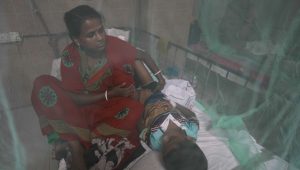
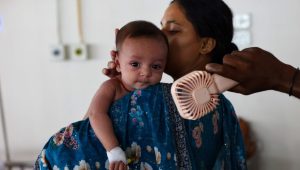
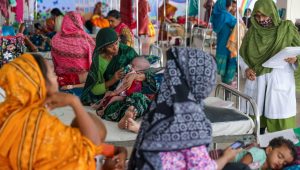
Dengue remains a massive global health challenge, with the World Health Organisation estimating that between 100 million and 400 million infections occur annually, though many cases remain mild or asymptomatic.
In contrast, the Anopheles group is most famously associated with malaria, a disease caused by Plasmodium parasites rather than a virus.
Transmission occurs when an infected female Anopheles mosquito bites a human, having previously ingested parasites from an infected person. A key species to note is Anopheles stephensi, which is highly adapted to urban settings.


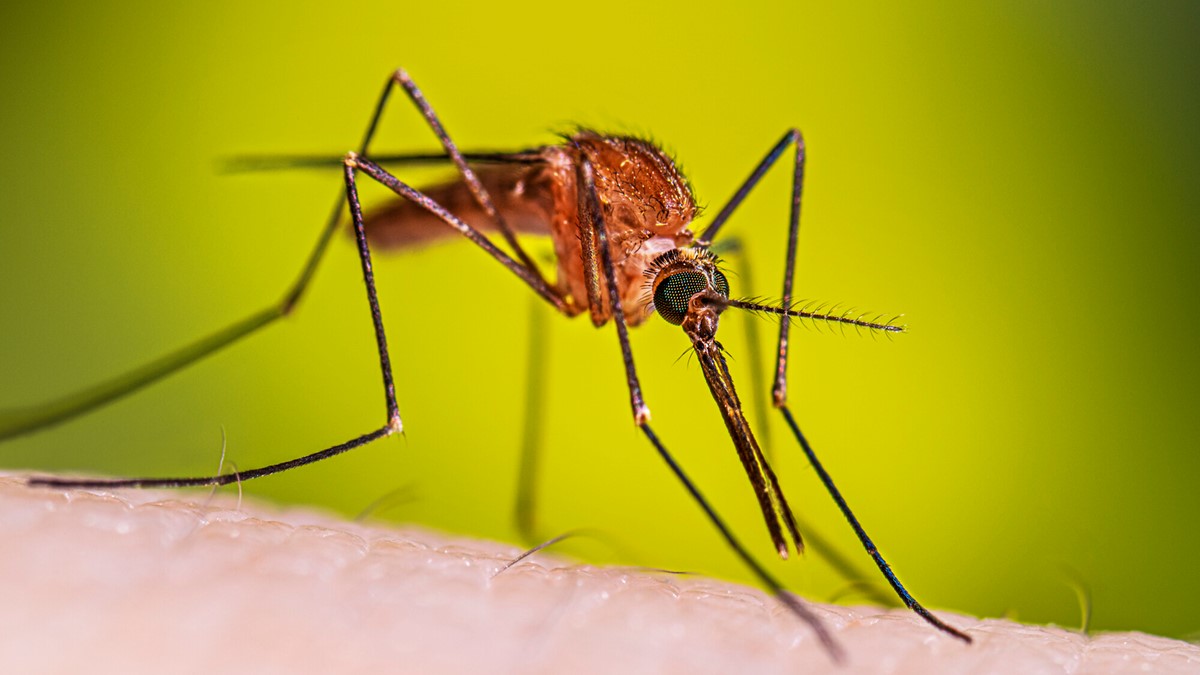
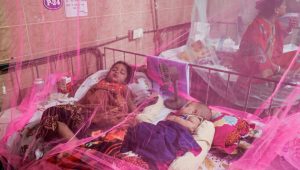
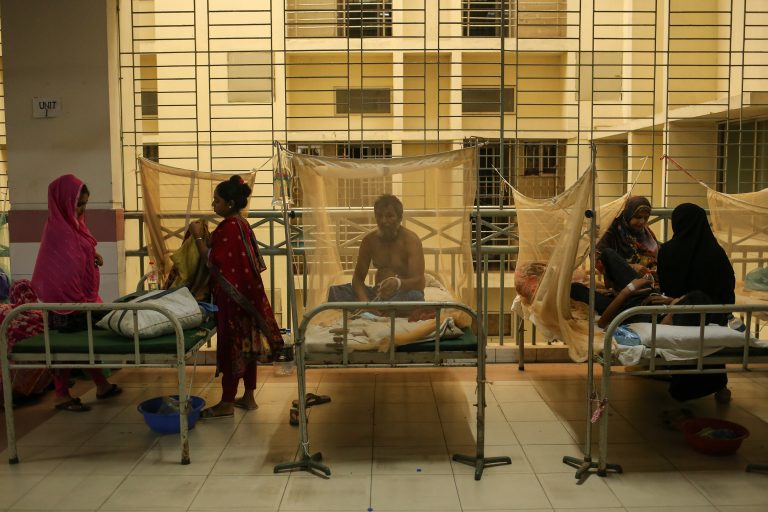
Unlike Aedes, Anopheles mosquitoes are nocturnal, generally biting from evening through the night, which makes insecticide-treated bed nets vital for protection.
The third group is Culex, which is responsible for transmitting Japanese encephalitis and lymphatic filariasis.
Mosquitoes in the Culex vishnui subgroup are key vectors of Japanese encephalitis, a viral brain infection that, while often asymptomatic, can lead to severe encephalitis, permanent neurological damage, or death.
Culex species also transmit lymphatic filariasis, a parasitic infection causing chronic swelling and disability, particularly in urban settings. Like Anopheles, Culex mosquitoes are primarily active during the evening and night.

Why the appearance of a bite is deceptive
It is a common misconception that a mosquito bite can reveal the species responsible. In reality, a bite from any of these mosquitoes simply presents as an itchy, red, or swollen bump, making it impossible to identify the insect from the skin reaction alone.
Furthermore, a bite does not guarantee disease transmission, as many species do not carry pathogens, and even vector species must first bite an infected host to become infectious themselves.
Because of this, medical professionals rely on clinical symptoms and local disease transmission patterns rather than bite appearances.
If a person develops a fever after exposure – especially when accompanied by a severe headache, body aches, rash, chills, vomiting, unusual bleeding, confusion, or extreme weakness – they should seek immediate medical advice to test for malaria, dengue, chikungunya, or Japanese encephalitis.
Targeting habits for effective prevention
Because different species behave differently, effective prevention requires a targeted approach based on their specific habits.
For daytime-active Aedes mosquitoes, the primary line of defence is eliminating breeding sites around the home by regularly emptying stagnant water from buckets, flowerpots, coolers, and tyres, as well as keeping all stored water tightly covered.
For the nocturnal Anopheles and Culex groups, nighttime protective measures are crucial; these include sleeping under insecticide-treated bed nets, installing window and door screens, and utilising indoor residual spraying.
For diseases like Japanese encephalitis, vector control is paired with public health vaccination programmes where recommended.
On an individual level, wearing loose, long-sleeved clothing and applying appropriate mosquito repellents to exposed skin can significantly reduce exposure throughout the day and night.
Ultimately, long-term safety relies on halting mosquito reproduction rather than just targeting adult insects, as preventing mosquitoes from breeding is the single most effective way to limit the next generation and reduce the global burden of these preventable diseases.