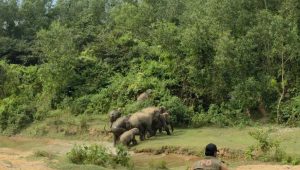
Winter has yet to take full hold across northern Bangladesh, yet flocks of migratory birds have already begun descending upon the water bodies of Rajshahi University.
Amid swirling morning mist and a crisp seasonal breeze, the sprawling green campus is coming alive with the lively chatter and rhythmic wingbeats of its annual visitors.
While their early arrival has delighted students, faculty members and nature enthusiasts alike, wildlife researchers have sounded the alarm over visitors harassing the birds in pursuit of dramatic photographs.
Ornithologists warn that unless a peaceful, undisturbed habitat is guaranteed, fewer flocks may return to the university’s wetlands in the winters ahead.

As in previous years, the seasonal guests have gathered across several prominent campus water bodies, most notably the tree-lined pond behind Begum Khaleda Zia Hall and the Department of Fisheries’ research ponds situated behind Tapashi Rabeya Hall and Rahamatunnesa Hall.
Having traversed thousands of miles across rugged terrain from distant breeding grounds, these winged travellers have injected fresh vitality into the university’s natural landscape.




Professor Aminuzzaman Md Saleh Reza of RU’s Department of Zoology, who has spent years studying avian migration patterns, noted that migratory species typically begin arriving on the campus in mid-November. However, he expressed deep concern over the growing prevalence of reckless human interference.
“Many visitors and amateur photographers are throwing stones and clods of earth at the birds simply to startle them into the air so they can capture shots of them in flight,” he said. “This causes severe distress and disrupts their feeding and resting cycles. Unless we ensure a safe sanctuary for them, they may abandon this habitat altogether in the future.”
According to wildlife experts, harsh winter freezes and heavy snowfall across regions north of the Himalayas, spanning Siberia, Mongolia and northern China, compel millions of birds to undertake arduous seasonal journeys southward in search of warmer climates and abundant food.


Bangladesh and neighbouring South Asian nations serve as vital wintering grounds along the Central Asian Flyway, with Rajshahi University’s tranquil, tree-fringed ponds offering an ideal refuge.
During a recent morning visit to the campus, flocks were seen wheeling gracefully above shimmering waters, gliding effortlessly across the surface and calling from overhanging branches, turning misty dawns into a vibrant spectacle for early risers.

To safeguard the seasonal visitors, the university administration has urged students and outsiders to exercise restraint.
RU Proctor Professor Md Mahbubor Rahman stressed that hunting, trapping or harming birds on campus is strictly prohibited under university regulations, and appealed to visitors not to provoke the flocks.
“We are urging everyone not to throw stones or make loud noises near the ponds so that the birds can forage and rest freely without fear,” he said. “Ensuring the safety of these winged guests is a shared responsibility for everyone who enjoys their presence.”