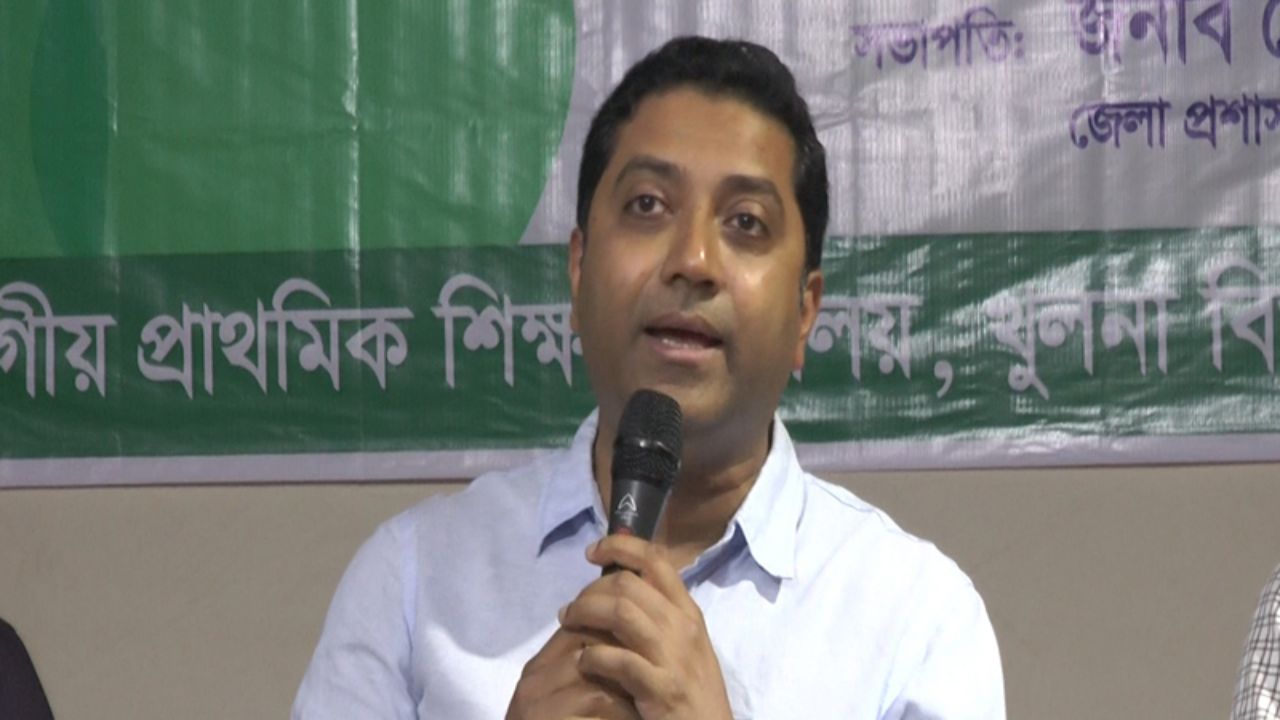

BNP Standing Committee member Abdul Moyeen Khan has stated that what determines whether someone loses in an election depends on their popularity, not their gender.
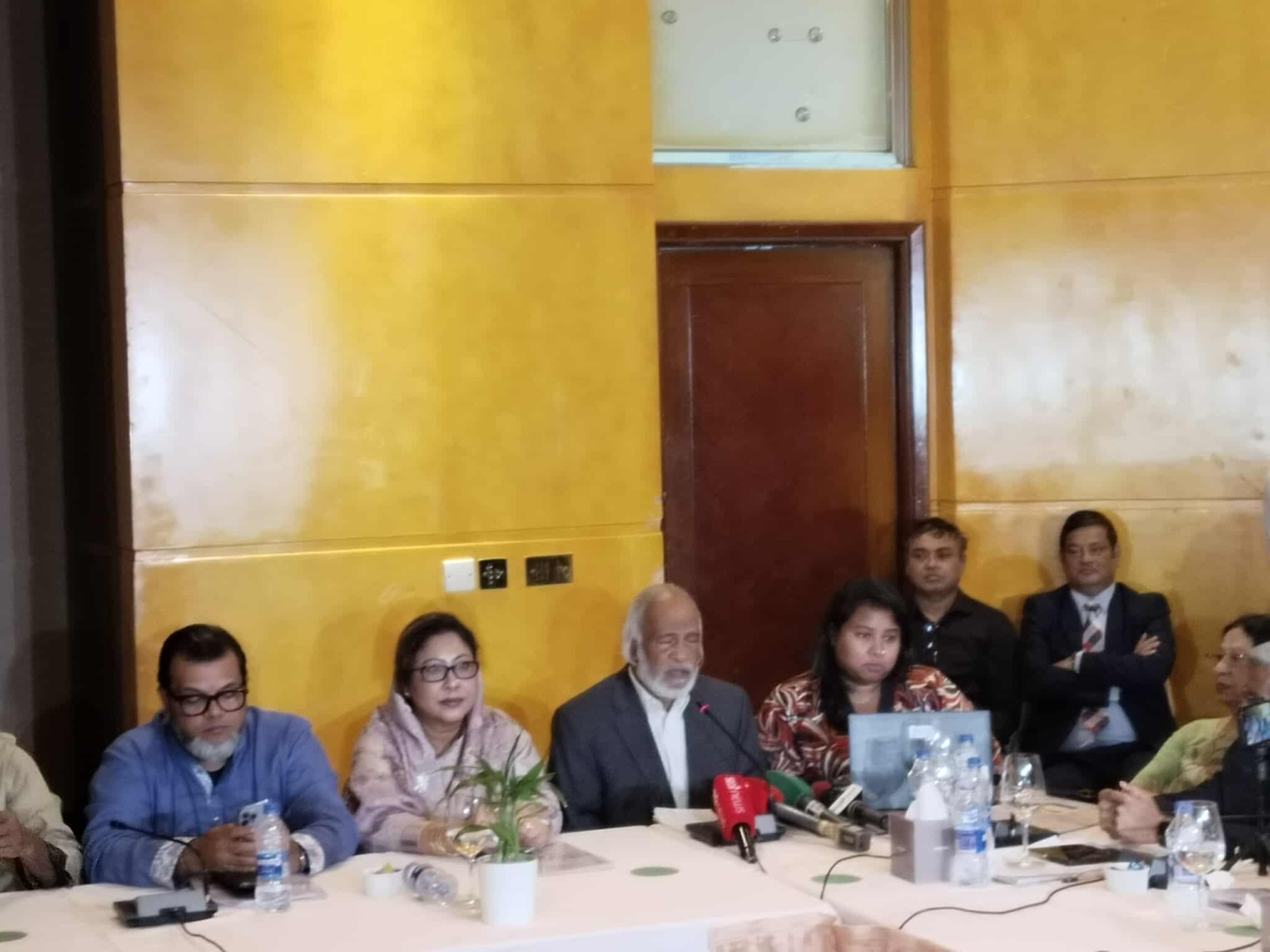
He made these remarks on Sunday afternoon at a national seminar titled “July Uprising and the Interrelationship of Women’s Political and Economic Empowerment” held at the Grand Ballroom of Hotel Westin in Gulshan and was organised by Khan Foundation.
Executive Director of Khan Foundation and Advocate at the Bangladesh Supreme Court Advocate Rokhsana Khondker chaired and moderated the seminar. The opening speech was delivered by Dr Adi Walker. French Ambassador Marie Masdupuy and diplomats from various countries also attended.
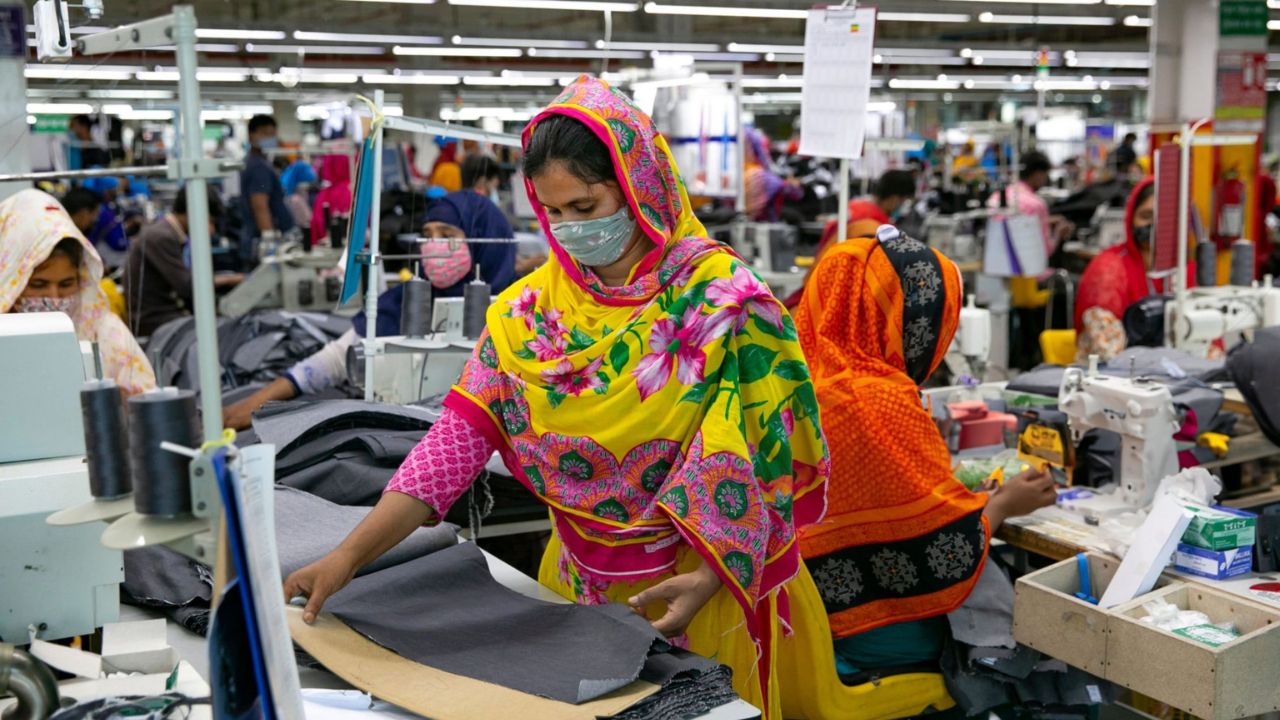
Moyeen Khan said, “There are about 4 million women workers in the country who are making significant contributions to the economy by working in garment factories. I don’t want to hear that women are driving Bangladesh’s economy. I want to hear that women constitute more than half of Bangladesh’s total population. Why shouldn’t there be 150 or 151 women representatives out of 300 seats in the National Parliament? Many might say this is irrelevant, unrealistic… If we can’t change our mentality and social system, then movements for women’s liberation and equality won’t benefit from these seminars. We need to bring change for women from our hearts.”

He continued, “People say women won’t win if given nominations. But whether someone wins or loses after getting nomination depends on their popularity. Women must be nominated.”
Dr Khan added, “I don’t think we can solve this through research. The main problem is not bringing women into mainstream politics. If we can bring women into the mainstream, this problem would be solved.”



Tracing the history of women’s voting rights worldwide, Moyeen Khan said, “I’ve been discussing women parliament members, but women got voting rights only recently. In the Western world, women got voting rights just 100 years ago. In Switzerland, a very modern state, women got voting rights in 1971 – the same year we gained independence. This is the global situation.”
He said, “In the February 2026 elections, political parties can consciously decide to give opportunities to as many women members as possible. Although no political party has yet ensured 30% opportunities for women. In patriarchal society, women have been kept confined. Women’s rights must be properly established in Bangladesh. I believe this.”
BNP Standing Committee member Selima Rahman said, “The only solution for women’s seats is to provide opportunities through direct elections. I’m not saying to give 100 seats. But this must be solved.”
She added, “I don’t know how fair the elections will be, but we must participate in them.”
French Ambassador Marie Masdupuy said, “Since joining Dhaka, I’ve attended many events. At this event, I saw equal participation of men and women. This was very pleasing.”
Regarding recommendations to the Women’s Reform Commission, she said, “Many recommendations came to the Women’s Reform Commission, but none were brought forward later. This is very sad.”
World Bank research analyst and program coordinator Nausheen Khan presented the keynote paper at the seminar. Others who spoke at the seminar included JSD’s Tania Rob, Revolutionary Workers Party General Secretary Saiful Haq, Gono Forum leader Advocate Subrata Chowdhury, BNP Executive Committee member Nilufar Chowdhury Moni, BNP Acting Chairman’s Political Adviser Dr. Mahdi Amin, National Party Chairman Syed Ehsanul Huda, AB Party’s Mojibur Rahman Manju, Gonoadhikar Parishad’s Nurul Haq Nur, General Secretary Rashed Khan, journalists Masud Kamal, Munzul Alam Panna, Kazi Zerin, Dipti Chowdhury and others.