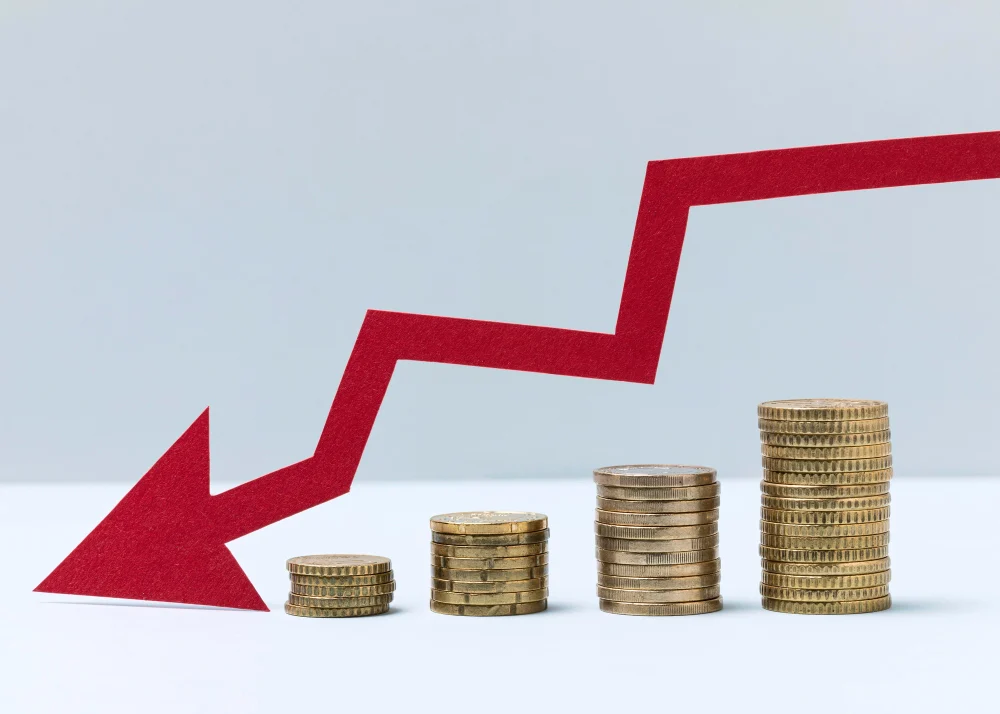

The economy has been stalled due to the weak governance under the interim administration, and only a political government through a swift national election can restore stability, revitalise investment, and generate jobs, said leading economists and business leaders.
They expressed concern that the continued failure to maintain law and order has stifled investment, as business security remains unaddressed.
“Mob culture has taken root across the country. Running the economy under such a fragile interim government is impossible,” said Fahmida Khatun, executive director of the Centre for Policy Dialogue.
“Politics and economics go hand in hand – the longer this government stays, the greater the economic damage,” she said.
During a shadow parliamentary debate competition organised by Debate for Democracy at the FDC in Dhaka on Saturday, the economist further said, “Elections must be held urgently.”
Recent data from the Bangladesh Bank highlights how poor governance is eroding the economy.

Private-sector credit growth plummeted to 6.5% in July, down from double digits a year ago, while government borrowing surged by 12.8%. Net domestic financing more than doubled to Tk18,633 crore as foreign aid flows dwindled.
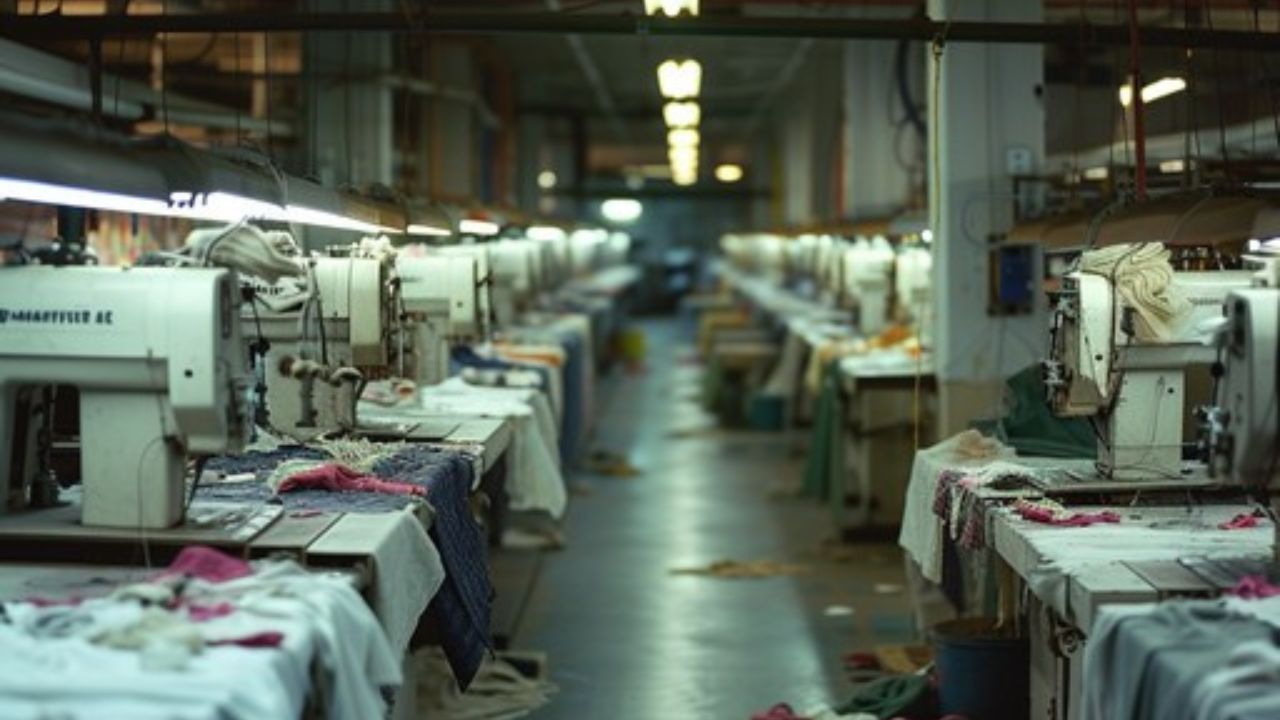
Industrial output remains uneven – large-scale manufacturing grew by 5.3% in FY25, but export-driven sectors like textiles and machinery continue to face severe pressure. Only construction-linked industries show resilience.
“The government has failed to control law and order. This is discouraging business,” Bangladesh Knitwear Manufacturers and Exporters Association President Mohammad Hatem told TIMES of Bangladesh.
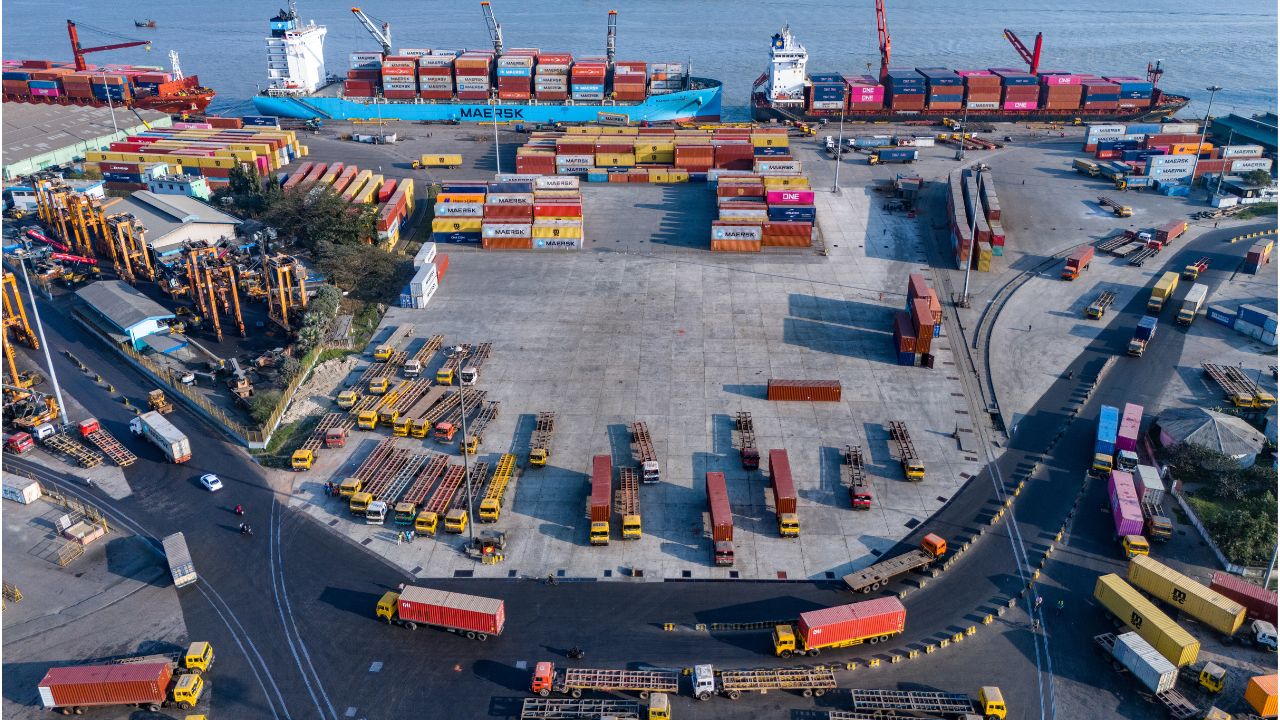


“Unless there is zero tolerance, there will be no investment. An elected government is essential – the sooner it comes, the better for the nation,” the business leader said.
Echoing the concerns, economist and political analyst Professor Mahbub Ullah said, “The interim government has pushed the state into fragility. Without a timely election, the crisis will deepen beyond imagination.”
Central bank data reveals that banks are flooded with idle liquidity as the investment climate continues to deteriorate.
By the end of June, scheduled banks held Tk5.87 lakh crore in liquid assets, far exceeding the required Tk3.03 lakh crore, leaving a surplus of Tk2.84 lakh crore – nearly Tk91,000 crore more than the previous year.
With weak credit demand and growing uncertainty, banks are redirecting this excess liquidity into government securities instead of private investments.
“Investors are fleeing, capital machinery imports fell by 25% last fiscal year, and no one feels safe without a political government,” Bangladesh Chamber of Industries President Anwar-Ul-Alam Chowdhury Parvez told TIMES.
“No one trusts the current government. They have failed to fix investment conditions in a year, failed to solve the energy crisis, and failed to ensure security for business,” he added.
Bangladesh Bank data reveals a sharp decline in foreign aid, with July receipts dropping by 43.4% year-on-year, while net aid turned negative as repayments outpaced new inflows. Only 0.15% of aid came as grants, further deepening the country’s debt.
By the end of July, Bangladesh had recorded a net foreign repayment of Tk1,942 crore, increasing reliance on domestic borrowing to sustain the budget.
Amid this economic fragility, the interim government continues to claim a rebound. However, Birupaksha Paul – a professor of economics at the State University of New York – dismissed these claims as “delusional.”
“There is no investment, no jobs, yet officials boast the economy has ‘returned home from the ICU.’ How can they say this when the ground reality is the exact opposite?” he said.
A May 2025 survey by the Power and Participation Research Centre (PPRC), conducted among over 8,000 families, found that 62.3% of youth and 60.9% of non-youth prioritised economic development above all else.
Only a small fraction supported delaying elections for reforms. Instead, a large majority called for peaceful, participatory elections, an end to political violence, stronger governance, and, above all, the prevention of corruption.