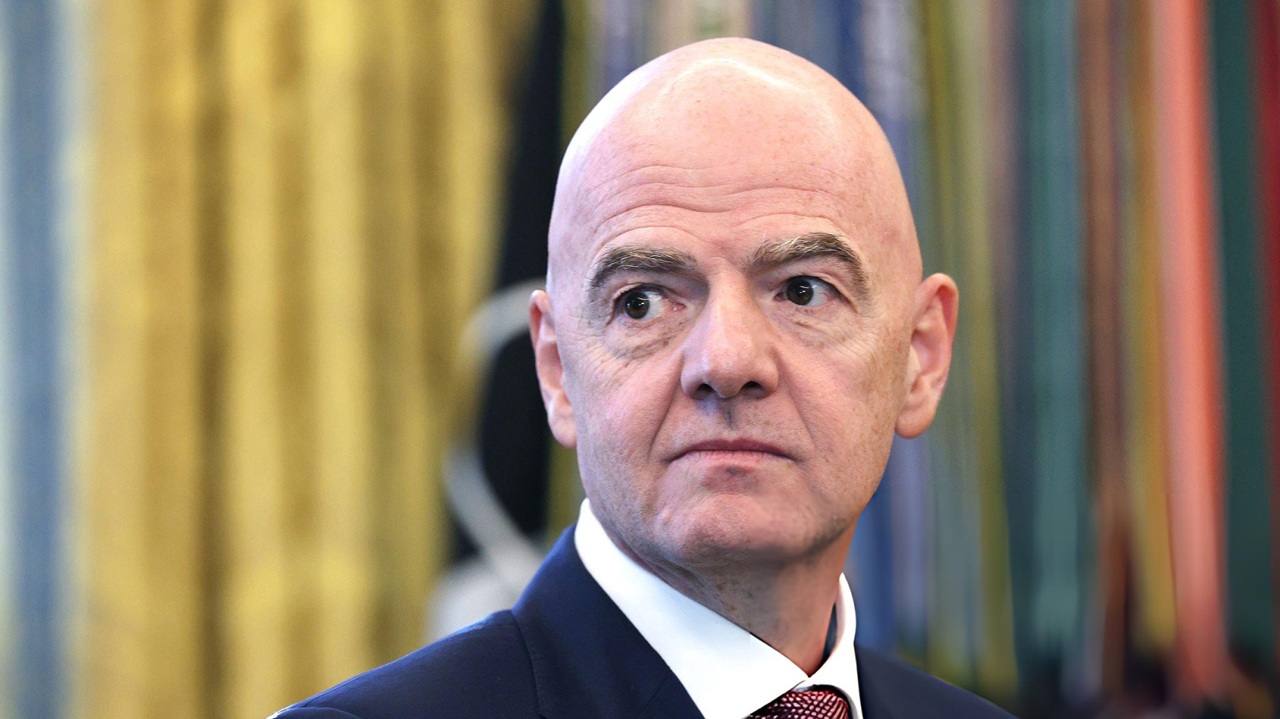



UEFA, AFC and CONCACAF have launched their strongest joint challenge yet to Gianni Infantino, accusing the FIFA president of breaking trust over his abandoned plan to sell a stake in the World Cup’s commercial rights.
The three confederations issued an open letter on Monday demanding a fully independent review of the proposal and the way FIFA handled it. They stopped short of directly calling for Infantino’s resignation, but their language put his leadership under unprecedented pressure.
The dispute centres on Infantino’s plan to sell 20 per cent of the World Cup’s commercial rights to private investors. FIFA abandoned the proposal after fierce opposition from several football bodies. The plan aimed to raise around $4.2 billion.
UEFA, the Asian Football Confederation and CONCACAF now say the process damaged trust across the global game.

“Football’s strength has always been its unity,” the three confederations said in their letter. “We call for that unity to be honoured now, for leadership that serves football, not seeks to command it.”
They also accused Infantino of placing himself above the collective interests of the organisations that gave him authority.




“When trust is broken through deception, when an individual places himself above the collective that entrusted him with authority, that duty has been abandoned,” they said.
The confederations also criticised FIFA’s emergency meeting in Morocco last week. They pointed to the presence of only one elected official and called for an investigation into what they described as a “profound failure of judgement”.
The demand comes just days after Norwegian Football Federation president Lise Klaveness called on Infantino to resign. Klaveness has emerged as one of his most outspoken critics and has been mentioned as a possible successor.
Infantino still has significant support. FIFA says almost 70 of its 211 member associations have publicly backed him, while the African confederation CAF issued a statement supporting him on behalf of its 54 members.
Several South American nations, including Argentina, Paraguay, Ecuador and Bolivia, have also backed the FIFA president. Mexico has supported him despite CONCACAF joining Monday’s criticism.
That split shows the depth of the crisis. UEFA, AFC and CONCACAF now want an independent process that FIFA itself cannot control, while other confederations and national associations continue to defend Infantino.
FIFA has warned that attempts to challenge Infantino must follow its statutes and democratic procedures.
The conflict therefore goes beyond the abandoned commercial deal. It has become a direct fight over trust, authority and how football’s global governing body should operate.