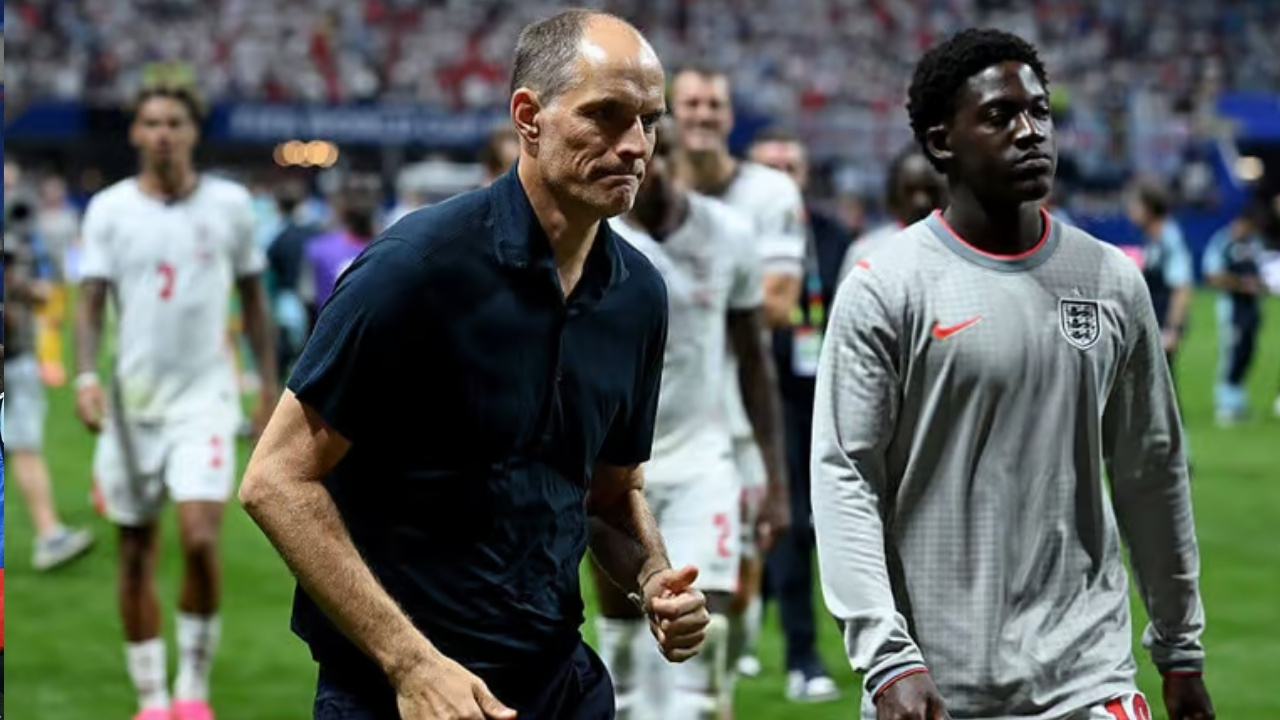



Thomas Tuchel admitted England grew increasingly passive after taking the lead against Argentina, conceding that his side’s decision to sit deep ultimately opened the door for the defending champions’ dramatic comeback in the World Cup semi-final at Mercedes-Benz Stadium on 15 July.
Anthony Gordon’s finish had given England a lead they held until deep into the second half, but Argentina responded with a barrage of attacking pressure that yielded goals from Enzo Fernandez and Lautaro Martinez, the latter arriving in the second minute of stoppage time to complete a 2-1 win and send Argentina into the final against Spain. Speaking to the BBC afterwards, Tuchel explained the thinking behind his side’s approach once ahead.
“We decided to go to a back five because the gaps were far too open, they won every header, they kept crossing and crossing so we went to a back five to close the gaps inside and be strong in the air,” he said.
The switch did little to stem the tide, with Argentina enjoying just 12 per cent possession before Gordon’s goal but overwhelming England territorially in the period that followed.

“We stayed in our four four two but we became more and more passive, couldn’t win any balls, couldn’t keep the ball so I think it was not a structural problem,” Tuchel said.
“We changed nothing after the goal but the match changed completely. You can discuss this with a million coaches. I have to make a decision on the pitch, it’s how I analysed the match and I did it a certain way. I take the responsibility,” he added.

Despite the manner of the defeat, Tuchel insisted there was little he would alter given the context of the performance as a whole.
“In the moment, there are no regrets. We deserved to be up one nil, we played one of our better matches, maybe our best match in the circumstances. The team was top but we couldn’t bring it over the line,” he said.
He also pointed to the volume of crosses and chances England conceded once possession slipped away from them in the closing stages.
“We conceded so, so many crosses and chances and shots. We were close but couldn’t keep the level up after we scored,” he said. “Straight after our goal with no substitutions we just conceded way too many crosses and way too many chances.”
The defeat extends a difficult recent run for England at major tournaments, with Wednesday’s exit marking their fifth consecutive semi-final or final defeat across the last five editions of the World Cup and European Championship, stretching back to the 2018 World Cup semi-final loss to Croatia. England will now face France in Saturday’s third place play-off in Miami.
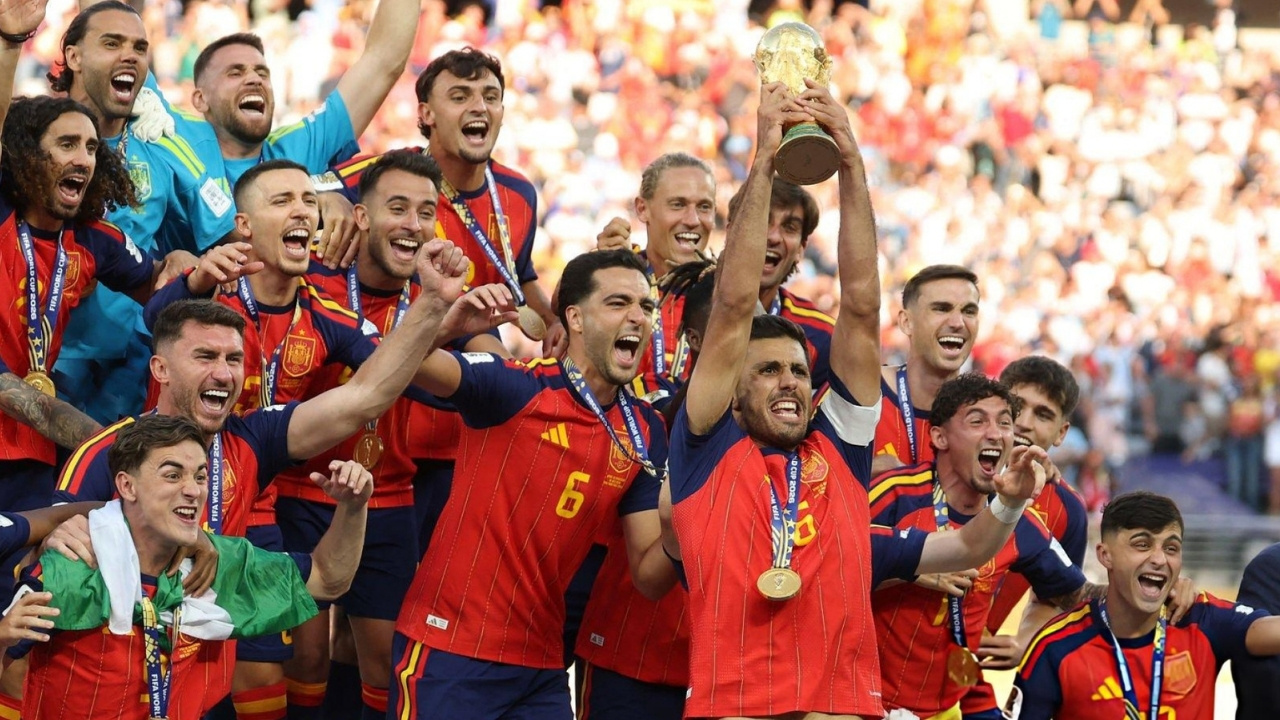
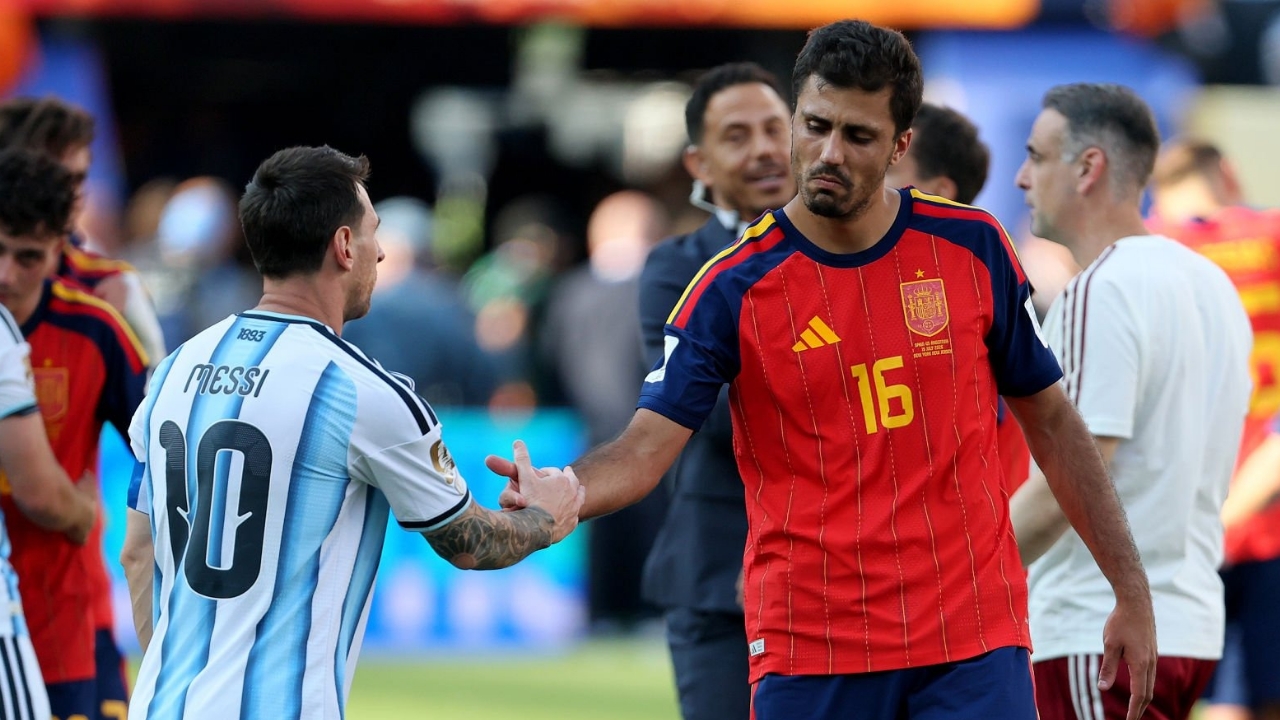
For Argentina, the win marked their second dramatic comeback of the knockout stages after their fightback against Egypt, continuing a pattern that has echoes of Real Madrid’s improbable run to the 2022 Champions League title, when successive comebacks against Paris Saint-Germain, Chelsea and Manchester City carried them to glory. Sunday’s final against Spain will also effectively serve as the long delayed Finalissima between the European and South American champions, a fixture originally scheduled for earlier this year before being cancelled amid the military conflict between the United States and Iran.