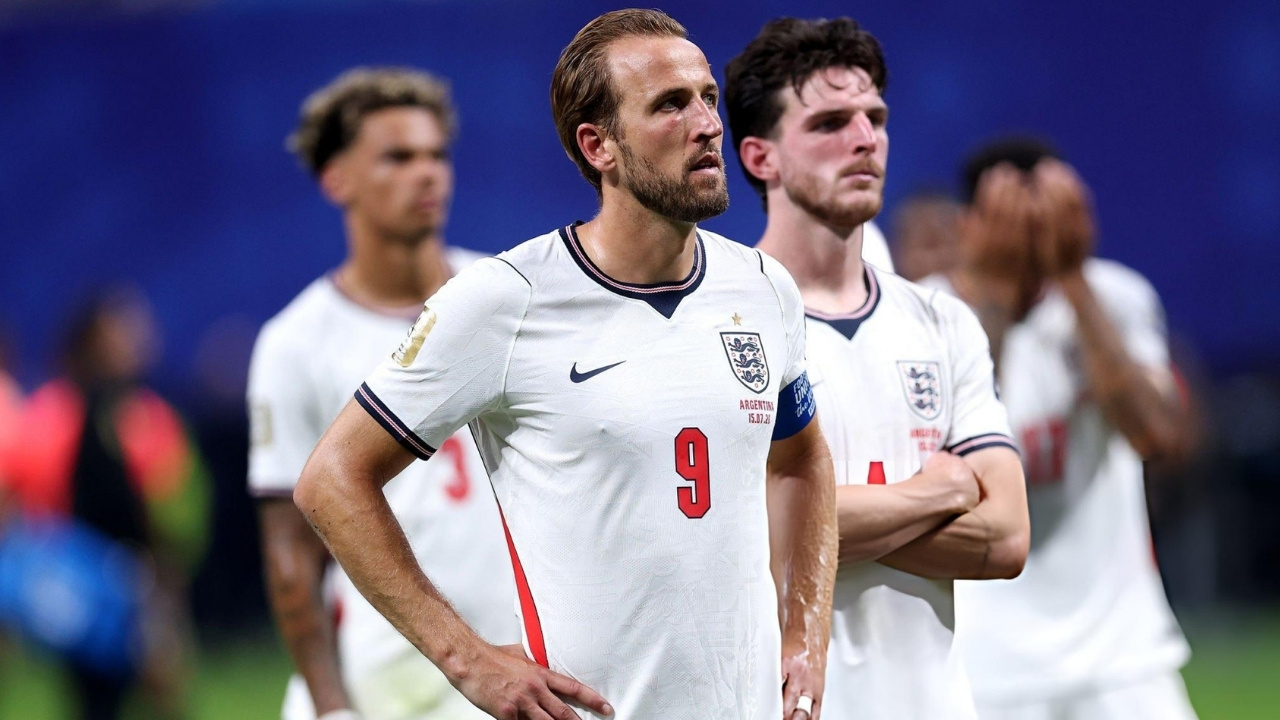



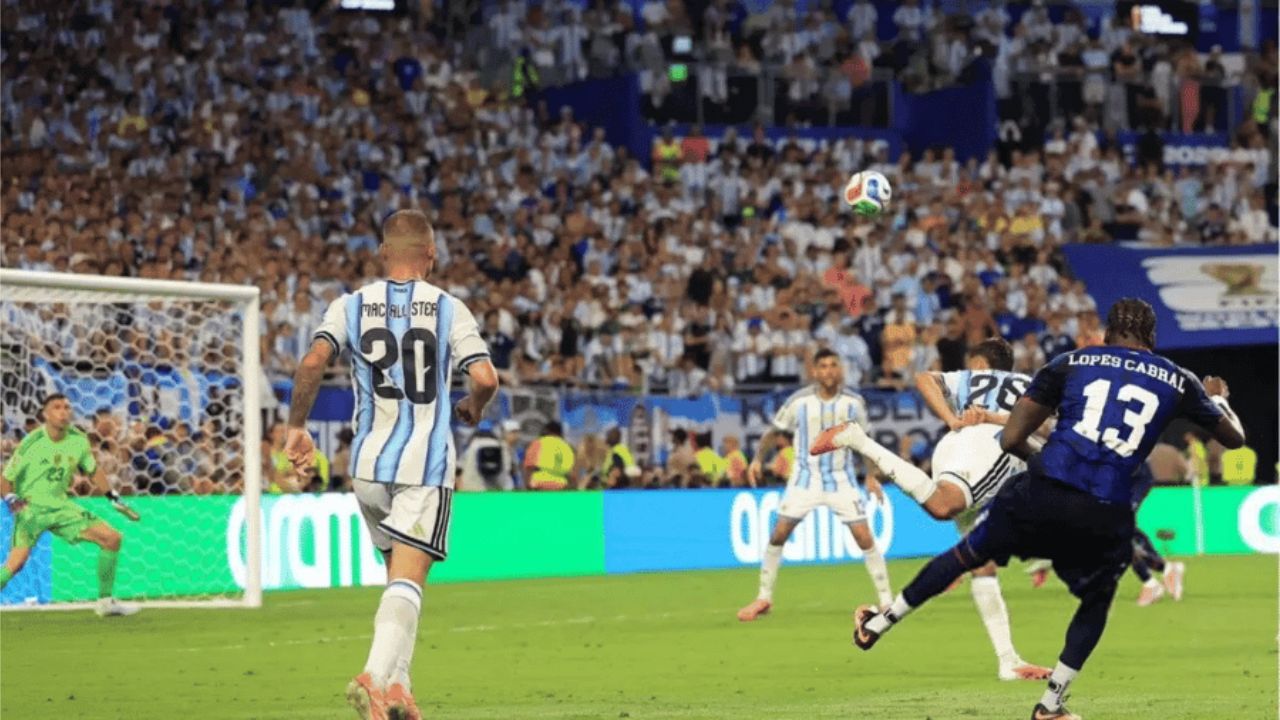
Harry Kane admitted England’s collapse against Argentina was difficult to put into words after the defending champions came from behind to win 2-1 in the World Cup semi-final at Mercedes-Benz Stadium on 15 July, ending England’s hopes of a first final since 1966.
Anthony Gordon had given England the lead ten minutes into the second half, but Argentina responded with two late goals from Enzo Fernandez and Lautaro Martinez to complete another trademark comeback and set up a final against Spain on Sunday. Speaking afterwards, Kane pointed to England’s inability to build on their advantage once they went ahead.
“We struggled to get pressure on the ball. In the first half and the beginning of the second half we pressed them well, put them under loads of pressure that helped us win the ball high and control the game better,” he said.

“After the goal, whether they had more men forward or us not being able to match them man for man, it was wave after wave. Lads were putting blocks in but it wasn’t enough,” he added.
The captain did not shy away from the weight of the occasion, reflecting on the effort his side had put in across the tournament only to fall agonisingly short at the final hurdle.

“I’m just gutted for the boys, for everyone, the staff, the fans. We played a good game for the vast majority of it. Once we went one nil up we tried to hold on, which at this level is not enough,” he said.
“We worked so hard to be here, the lads gave every last bit of running, sweat. To fall short like we did today is gutting,” he continued.
The numbers underlined just how comprehensively Argentina had taken control once they found their rhythm. The world champions finished with an expected goals total of 1.9 compared to England’s 0.5, managed three times as many shots at 15 to five, and held 64 per cent of possession as the game wore on. Thomas Tuchel’s decision to retreat into a deeper defensive shape after taking the lead has already come under scrutiny, with question marks likely to follow the head coach in the aftermath of such a damaging defeat.
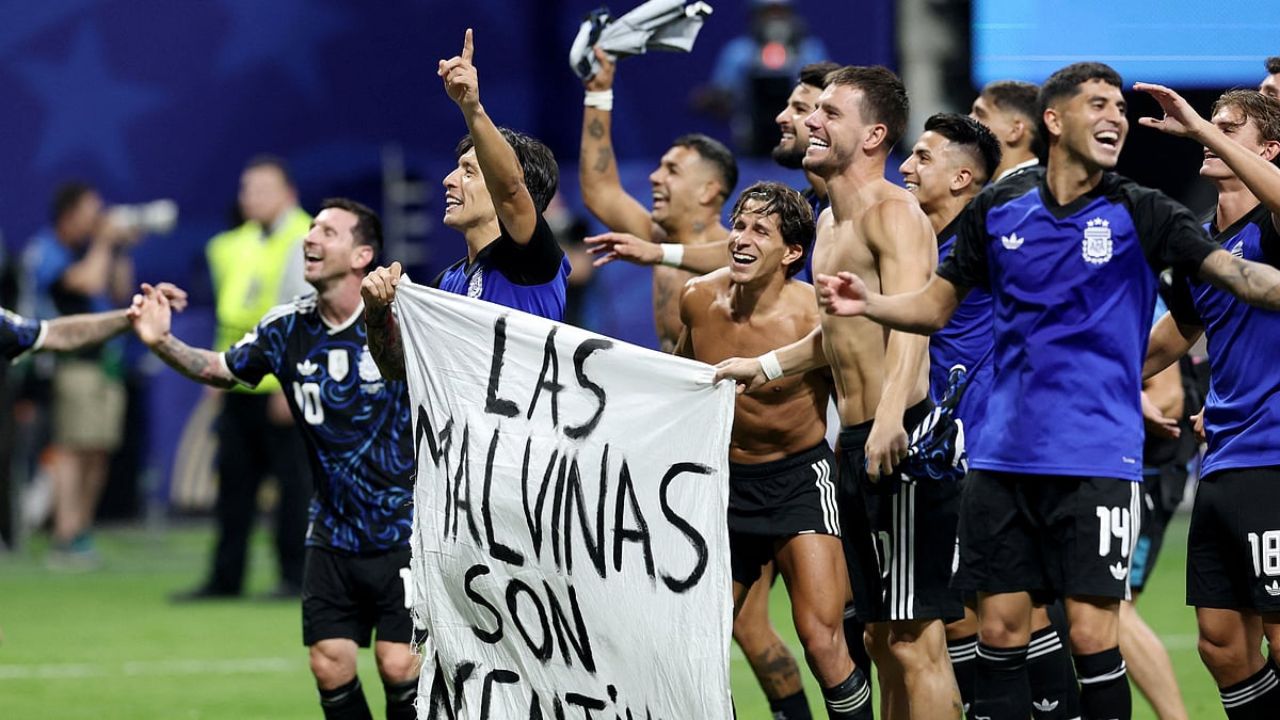
Argentina’s celebrations were not without controversy, with Giovani Lo Celso and Nicolas Otamendi displaying a banner reading Las Malvinas son Argentinas on the pitch, a reference to the country’s ongoing sovereignty claim over the Falkland Islands, the British territory at the centre of the 1982 conflict between the two nations that claimed hundreds of lives.
For England, there is now the unwanted task of a third place play-off against France in Miami on Saturday, a repeat of the fate that befell them in Russia eight years ago when they lost the equivalent fixture to Belgium. It means a tired and emotionally drained England squad must now turn their attention to containing the likes of Kylian Mbappe, Ousmane Dembele and Michael Olise in stifling conditions, with little appetite among the players for a match nobody wanted to play.
Argentina, by contrast, head to New Jersey full of belief, having recorded their fifteenth comeback win of the tournament and with Lionel Messi once again central to their survival, having now scored or assisted in eleven consecutive World Cup appearances, extending the longest such run on record since 1966.