
US President Donald Trump has signed a new executive order committing the United States to safeguard Qatar’s security, even promising military retaliation should the Gulf nation come under attack again.
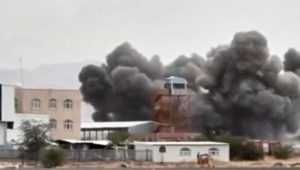
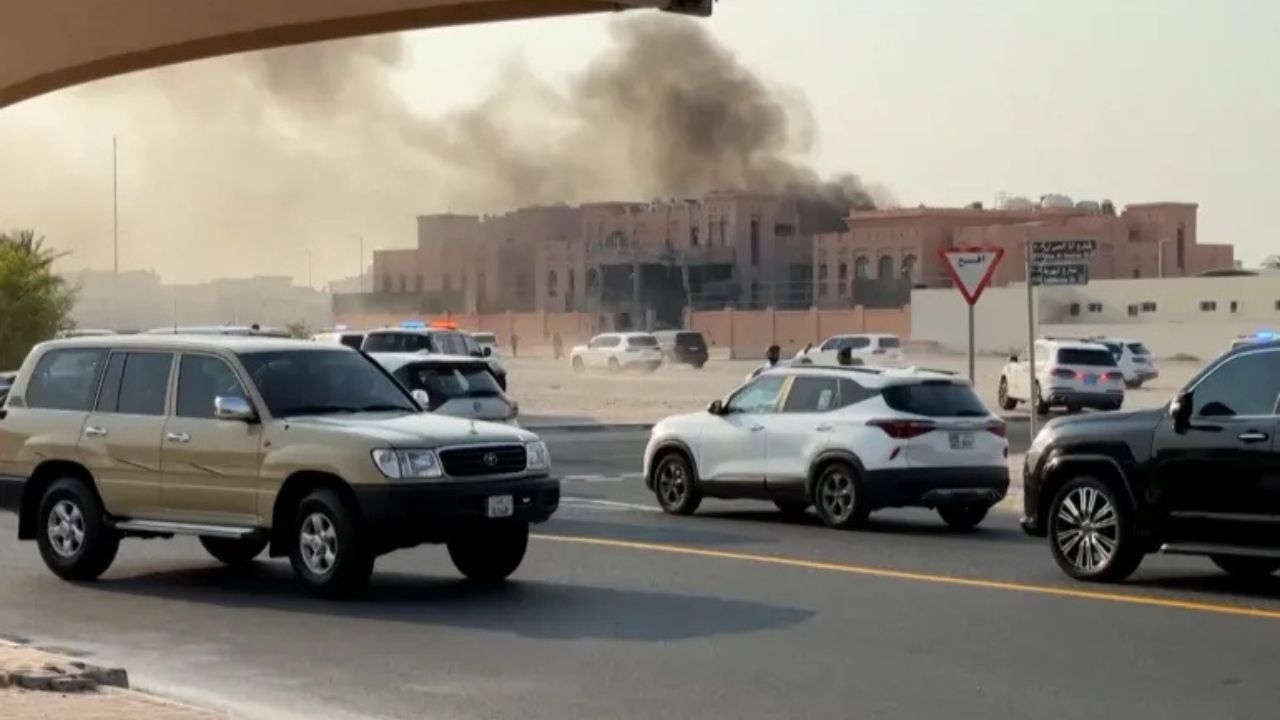
The move follows Israel’s unprecedented air assault on Doha last month, which drew widespread condemnation across the region and beyond.
Israel claimed the 9 September strikes targeted Hamas officials meeting in Qatar’s capital to discuss a US-backed Gaza ceasefire plan. While several members of Hamas were killed, top leaders survived. A Qatari security officer also died in the attack.
During a joint phone call from the White House on Monday, Trump and Israeli Prime Minister Benjamin Netanyahu offered an apology to Qatari Prime Minister Sheikh Mohammed bin Abdulrahman bin Jassim Al Thani for the death of the Qatari national.

Trump’s executive order described Qatar as “a steadfast ally in pursuit of peace, stability, and prosperity” and reaffirmed the longstanding military ties between the two nations.
“It is the policy of the United States to guarantee the security and territorial integrity of the State of Qatar against external attack,” the order reads. Any assault on Qatar, it adds, would be considered “a threat to the peace and security of the United States.”




The decision reflects Washington’s delicate balancing act: repairing ties with Doha while maintaining unwavering support for Israel. Qatar denounced Israel’s actions as “cowardly and treacherous” and vowed to prevent further violations of its sovereignty.
US Secretary of State Marco Rubio visited Doha on 16 September to reassure Qatari leaders of America’s partnership, a day after Arab and Islamic leaders convened an emergency summit in solidarity with Qatar.
Analysts say the scope of Trump’s pledge remains unclear. Unlike treaties, executive agreements do not require Senate ratification, and any deployment of US forces still depends on presidential decision-making.
Past precedents, such as President Barack Obama’s 2015 nuclear accord with Iran, show that presidents have used executive authority to enter international commitments without congressional approval.
Qatar has been one of Washington’s most significant security partners in the region. The US operates its Central Command forward headquarters from Al Udeid Air Base, and in 2022, President Joe Biden designated Qatar a major non-NATO ally.
“The Gulf’s centrality in the Middle East and its significance to the United States warrants specific US guarantees beyond President Donald J Trump’s assurances of non-repetition and dinner meetings,” wrote Bader al-Saif, a Kuwait University professor who studies Gulf politics.