

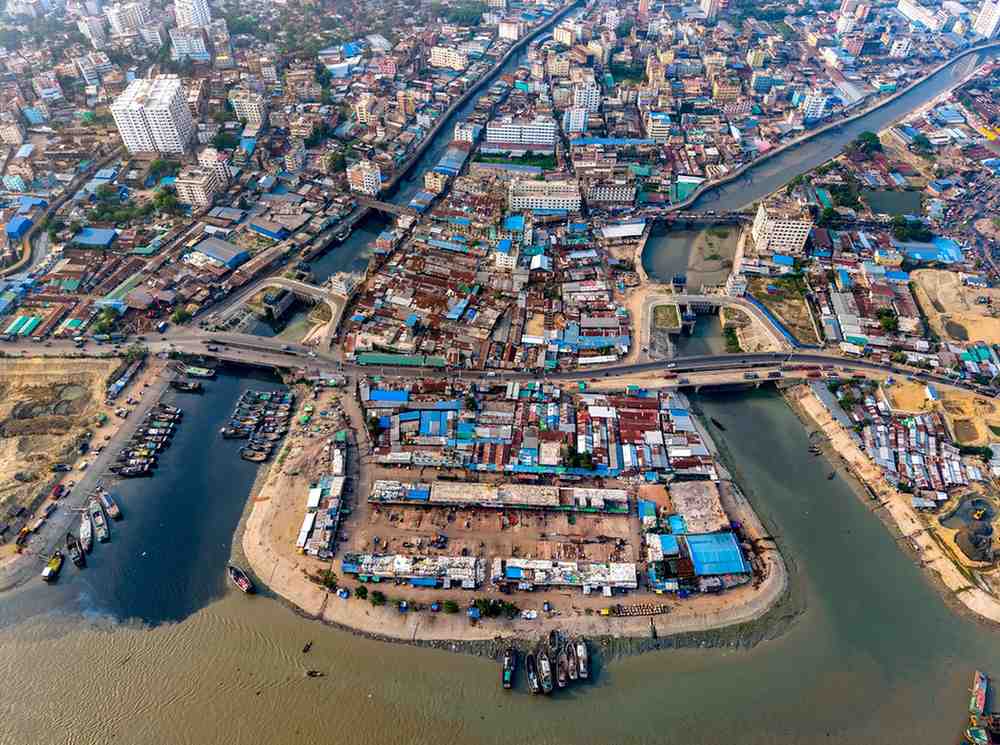
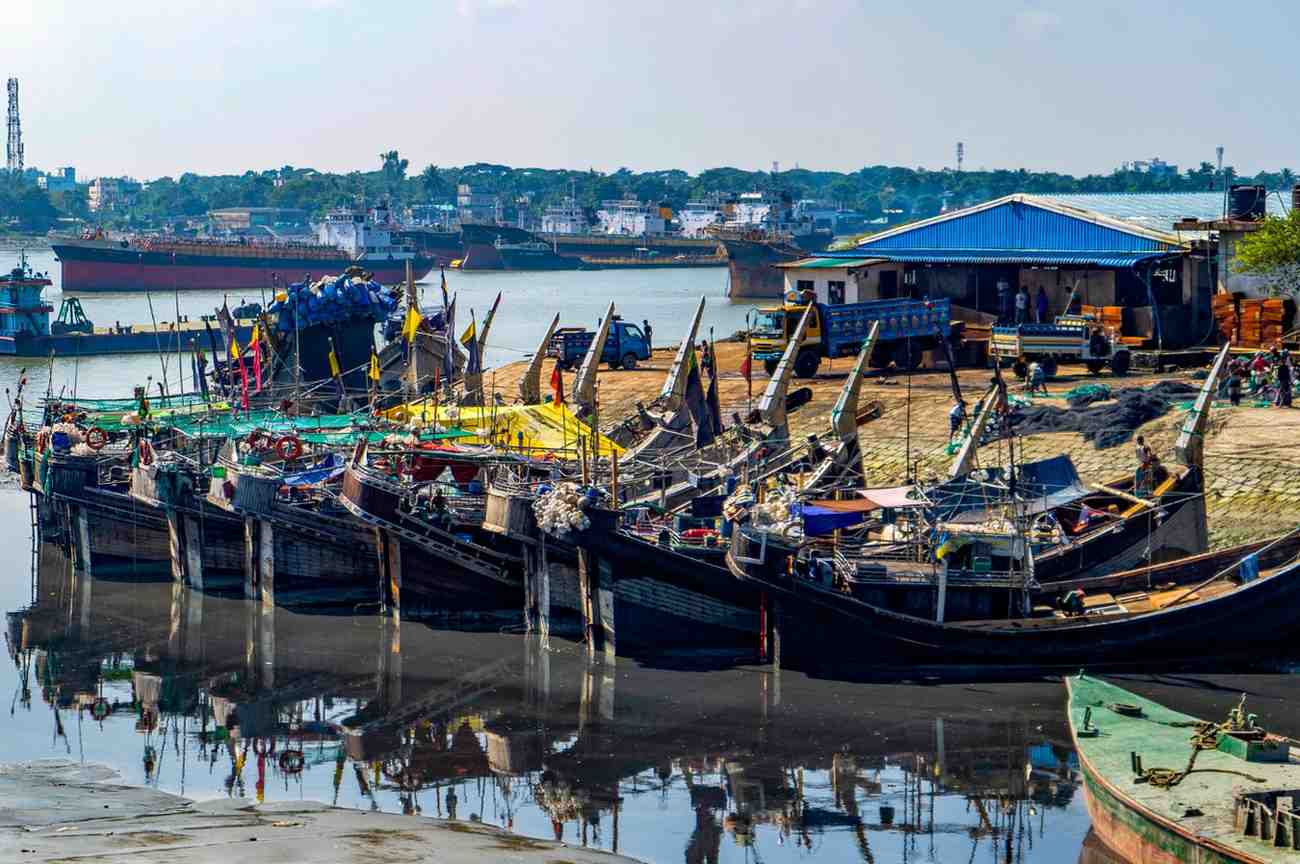
Chattogram’s lifeline, the Karnaphuli River, is gradually turning into a vast reservoir of toxic waste. Its decline is masked only by the rise and fall of tides. What was once the economic and ecological heartbeat of the port city is now under severe strain.
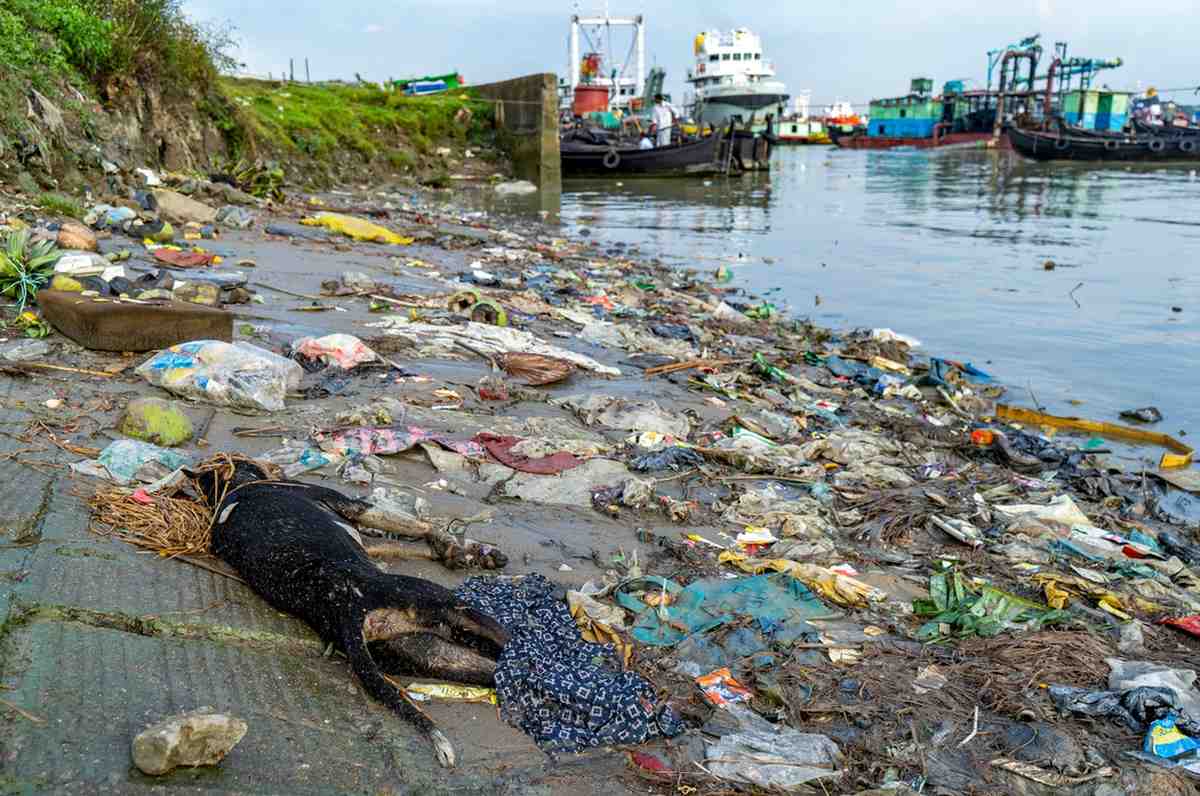
Beneath the river’s surface lies a far grimmer reality. Environmental activists and officials from the Ministry of Environment warn of a suffocating layer of plastic and polythene, estimated to be 7 to 10 feet thick, settling along the riverbed.
Each day, roughly 239 tonnes of plastic waste flow into the Karnaphuli.
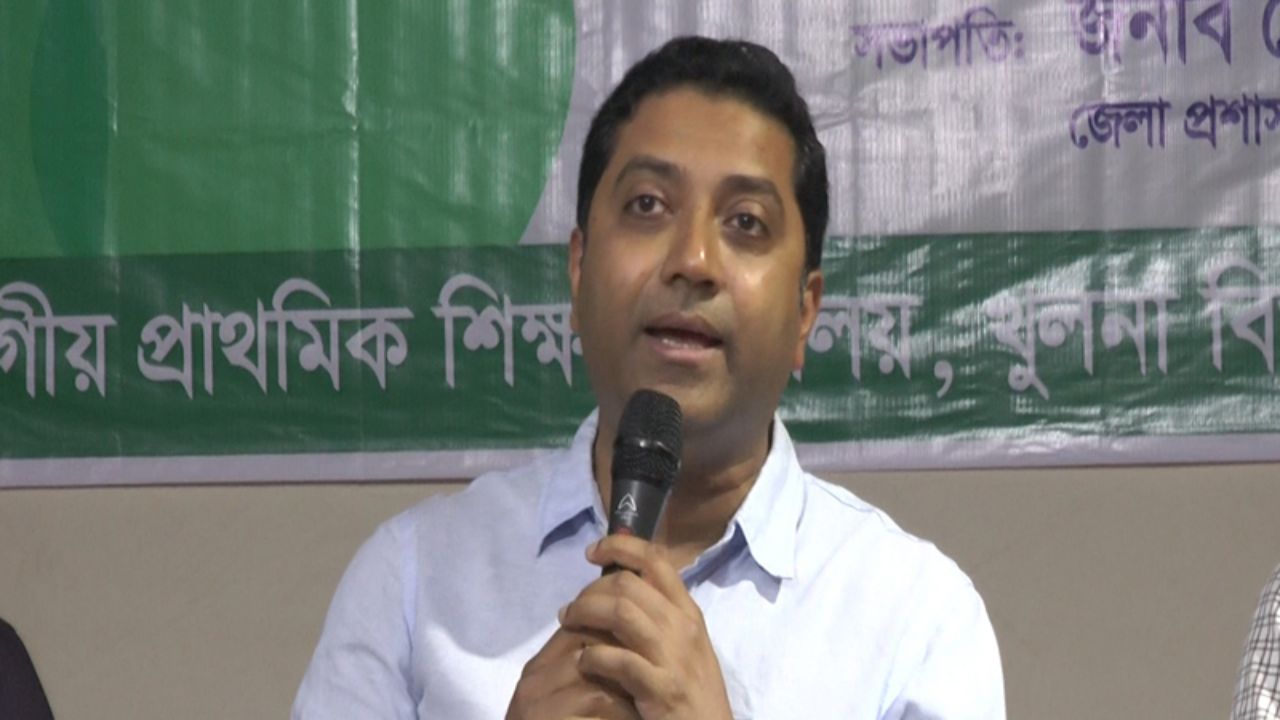
According to Chattogram University professor and researcher Dr Manzoorul Kibria, pollution levels may even exceed those of Dhaka’s Buriganga and Shitalaksha.

Through 57 canals crisscrossing the city, untreated household waste and sewage from millions of residents are funnelled directly into the river, turning it into an open drain.
Laboratory tests by the Department of Environment reveal dangerously high concentrations of nitrates and phosphates, clear indicators of severe contamination.


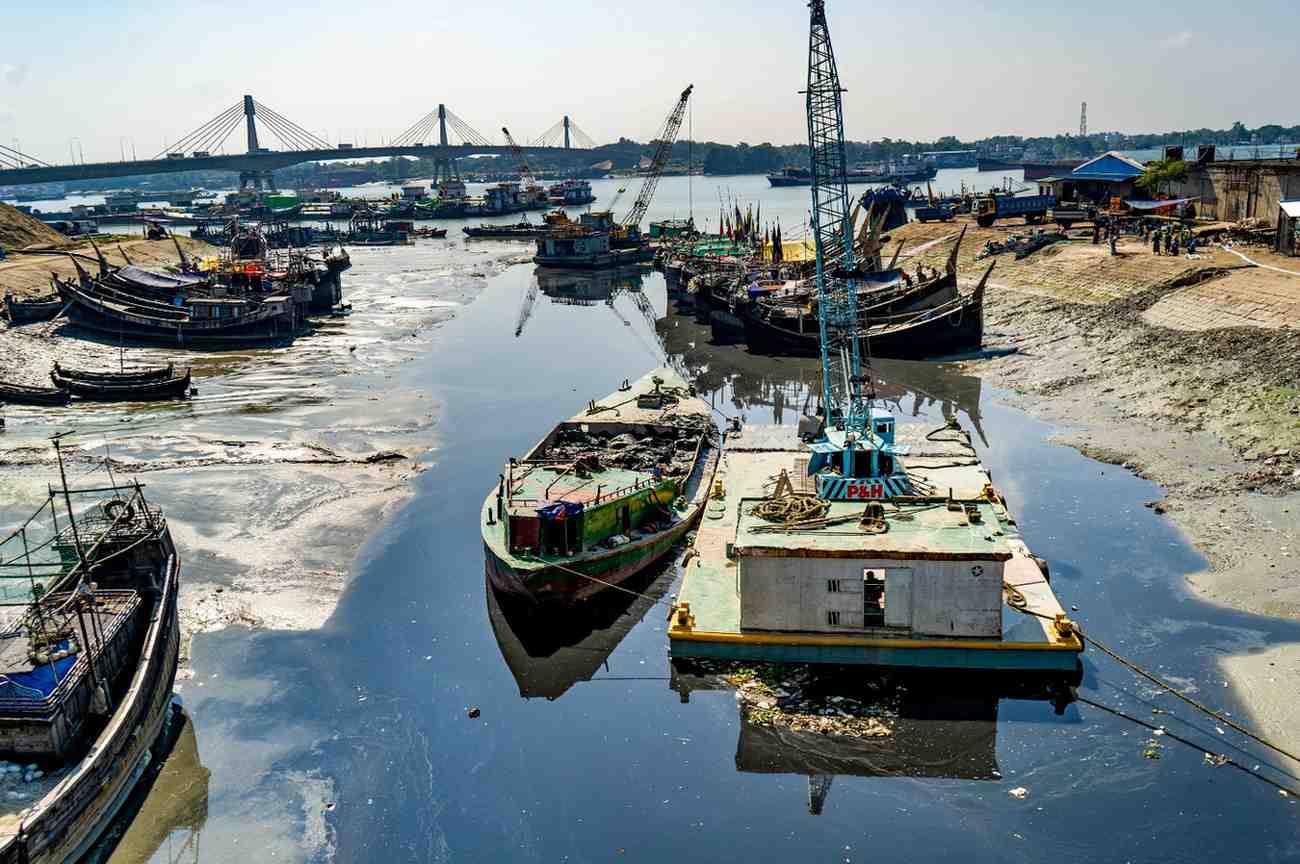
Along both banks, nearly 200 industrial establishments, including CUFL, Eastern Refinery, and Karnaphuli Paper Mill, continue to discharge untreated effluents, often in violation of Environmental Treatment Plant (ETP) regulations.
The consequences are already visible. Once home to at least 15 migratory fish species as recently as 1986, the Karnaphuli now supports only a handful of commercially viable species.
Fish like Rita, Ilisha, Rupchanda, and Pabda have virtually disappeared from the river. Even dolphins, occasional monsoon visitors, struggle to survive, falling victim to injuries from vessel traffic and ingesting plastic debris.
Recent incidents have only deepened the crisis. The dumping of waste from an S Alam sugar mill triggered widespread alarm, underscoring the lack of oversight and accountability.
Dr Kibria has also questioned the effectiveness of repeated capital dredging by port authorities, arguing that such costly interventions offer little long-term relief. Redirecting those funds toward systematic waste management at the source, he suggests, could yield far more sustainable results.
At its core, the degradation of the Karnaphuli reflects systemic failures, inadequate sewerage infrastructure, weak enforcement of environmental regulations, and unchecked industrial practices.
Saving this river is no longer an environmental concern alone; it is an economic and existential imperative for Chattogram.
Without a long-term, coordinated master plan and immediate action, the slow death of the Karnaphuli may soon become irreversible.